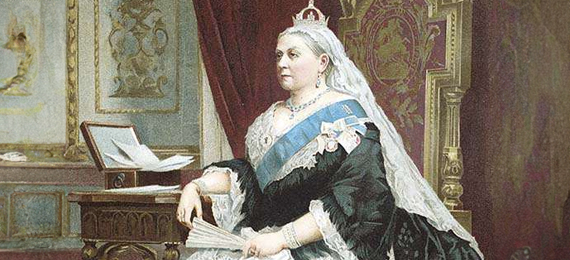
Queen Victoria gave the monarchy a good reputation after her uncles who had tarnished the title considerably with their actions. She set the rules straight and her high personal morality led her into glory, making her the grandmother of Europe. She continued to train her children and grandchildren to become sincere monarchs who respected and valued the country and its inhabitants during her widowhood. She created strong royals who led Britain into expansion and prosperity. Here are a few unknown facts about Queen Victoria that you have to know!!
Interesting Facts about Queen Victoria
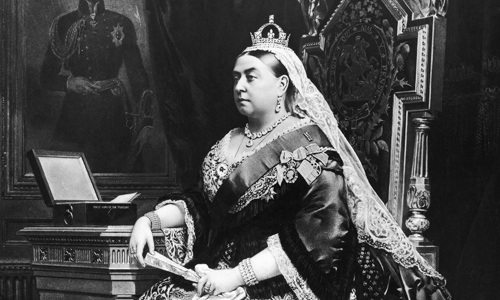
Take a look at some of the most interesting Queen Victoria facts!
How many children did Victoria and Albert have?
- A. 6
- B. 9
- C. 8
- D. 3
The Early Life of Queen Victoria
Queen Victoria was born in Kensington Palace, London, on 24th May 1819. Her full name was Alexandrina Victoria. She was born to an English father, named Edward, Duke of Kent, and a German mother, named Princess Maria Louisa Victoria of Saxe-Coburg-Saalfeld. Alexandrina Victoria became the Queen in June 1837, when she was just 18 years old.
Queen Victoria: A Linguist, a Wife, and a Mother of Nine
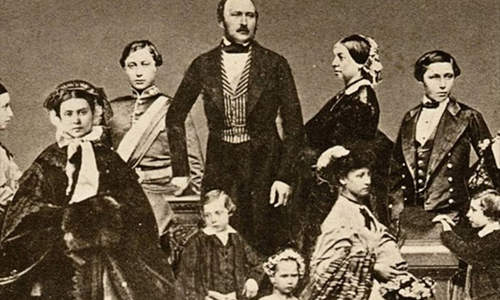
Queen Victoria was a linguist. She used to speak fluent English and German and studied other languages, including French, Italian, and Latin. Later on, as days went by, she also learned the Indian language of Hindustani. Her husband was Albert of Saxe-Coburg-Gotha and her first cousin, whom she married in February 1840. This couple had nine children and their names were Victoria, Edward, Alice, Alfred, Helena, Louise, Arthur, Leopold, and Beatrice.
Queen Victoria’s Journey
A pair of bloomers (underwear) of Queen Victoria, auctioned off in 2009, showed that the Queen was less than 5 feet tall and had a waist size of about 50 inches. She set examples for modern women by proposing to her husband first.
Both Queen Victoria and her mother were widowed with children. Queen Victoria was the first person to be affected by hemophilia (the royal disease) caused due to generations of inbreeding. This disease affects the body’s power to clot blood after an injury. Also, she faced 8 murder attacks during her reign while she was inside her carriage.
Queen Victoria’s Early Life and Legacy
Queen Victoria became the queen after the deaths of her father, three uncles, and four elder brothers. She was named Alexandrina Victoria after her godfather and was nicknamed ‘Drina. She was the first reigning royal to live in Buckingham Palace.
Her mother set up the Kensington System to supervise the queen-to-be through her lesson plans to make her fit for the throne if she had to ascend it early. She knew English, German, French, Latin, and Italian fluently and she even tried learning Hindi and Urdu phrases to communicate with her servants from India.
Queen From White Weddings to Christmas Trees
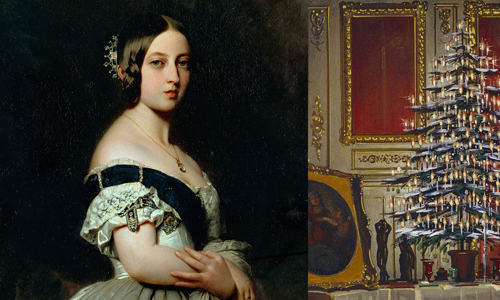
She began the white wedding dress trend and requested guests avoid white attire on her special day. She and her husband, Albert, brought in the Christmas tree trend as well. She was also the first monarch to ride a train. From gardens to mountains, several beautiful sites are named after her.
Early Influence and Education
Queen Victoria’s education system limited her social interactions, but her mother ensured that she was well prepared for her queen role in the future. Queen Victoria’s favorite uncle, King Leopold of the Belgians, was her biggest inspiration in her early stages. He was a member of the Coburg family, who later became a British prince when he got married to Victoria’s cousin, Charlotte, in 1816.
Victoria’s Passion for Writing
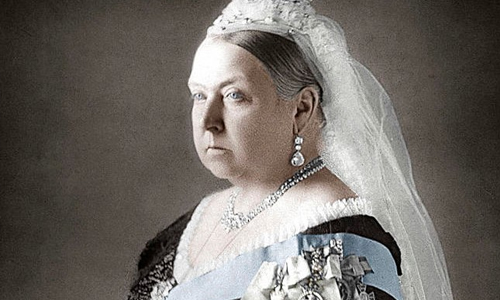
Victoria was an avid writer and she maintained a detailed journal of her entire life. Also, she wrote over 141 volumes that only talked about her personal account of her thoughts, feelings, and even her reign.
Victoria’s Love for Art and Culture
Queen Victoria and Prince Albert were avid supporters of the arts. They both promoted cultural and educational development by establishing them in various museums and galleries and also amassed an extensive art collection. Their passion and love for the arts left an indelible mark and impact on the London cultural scene.
Backbone of the Family
Queen Victoria was known as the “Grandmother of Europe” and many of her children and grandchildren were married to various European royal families. She held a high level of prestige and also used her ability to master the details of political life.
Utilizing Innovative Technology
Many new technologies and scientific advancements were introduced during the queen’s reign. She was one of the first to embrace and experience the use of the telegraph and the telephone, to communicate with her family. X-rays and photography were also introduced during her period.
Her Loss
Following the death of her beloved husband, Prince Albert, in 1861, Victoria went into a deep depression; she stayed in seclusion for many years and started to appear rarely in public. She mourned him by wearing a black dress for the rest of her life and often withdrew from public events too.
Unwilling Sovereign
Despite her eventual success in her career as a queen, Queen Victoria initially had some doubts about her abilities. She had written in her diary about her fears of ruling and her desire to be loved rather than the fear. She felt that she was incapable of ruling the country as a queen in the beginning.
Fashion Influencer
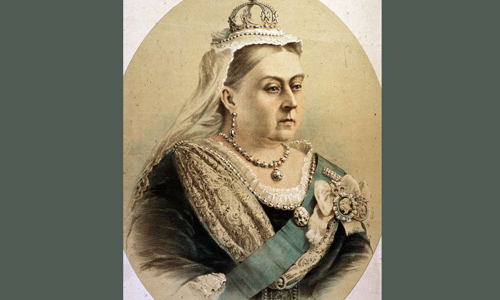
Queen Victoria popularized several fashion trends during her reign. She loved lace trimmings and flower motifs. So, her dresses were adorned with roses, lilacs, and orchids.
Literary Legacy
Queen Victoria wrote extensively, including poetry and novels. Her writing gives you a unique way of thought, and it was her reign and personal life that contributed to our understanding of Victorian society. Her writings were filled with common sense and simplicity.
National Mourning of her Death
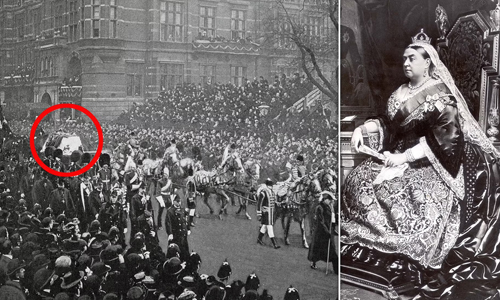
When Queen Victoria died on 22nd January 1901, a sense of loss was not just felt in Britain but also throughout the world. The whole nation went into a period of sorrow. Her funeral was attended by many representatives across the globe, showcasing her influence and the widespread respect for her.
These facts of Queen Victoria’s life illustrate her complexity as a monarch and her lasting impact on British culture and history!