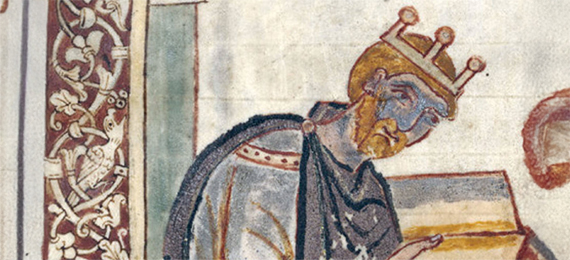
England is famous for its long line of monarchs, but have you ever stopped to wonder—who was the first King of England, and how did he rise to power? The story goes far beyond the crown jewels and royal castles. Let’s dive into the origins of the English monarchy and uncover the journey of the king who united a divided land.
The First King of England
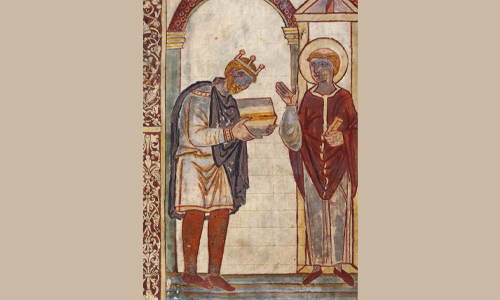
The honor of being the first true King of England goes to Æthelstan, who ruled from 924 to 939 AD. Before his reign, England was not a single country—it was a collection of smaller Anglo-Saxon kingdoms like Wessex, Mercia, and Northumbria, each ruled by its own leader. Æthelstan was the first monarch to successfully unite these regions into one kingdom.
He was the grandson of Alfred the Great, and the son of King Edward the Elder. His claim to the throne was strong, but not without competition. When his father died, Æthelstan quickly secured Mercia, and then worked to establish control over Wessex, where his half-brother Ælfweard also had supporters.
Who was the first King of England?
- A. Germany
- B. Alfred the Great
- C. Æthelstan
- D. William the Conqueror
A King Through Strength and Strategy
Æthelstan’s rise wasn’t guaranteed—he had to earn it. After being crowned at Kingston upon Thames in 925 AD, Æthelstan set out to consolidate power across all Anglo-Saxon lands. This meant military campaigns, forging alliances, and gaining the loyalty of nobles.
By 927 AD, Æthelstan had conquered Northumbria, the last major kingdom resisting his rule. This marked the first time the lands we now know as England were united under one monarch.
Battle of Brunanburh: Securing His Rule
One of the most defining moments in Æthelstan’s reign was the Battle of Brunanburh in 937 AD. This epic clash saw Æthelstan lead a united English force against an alliance of Scots, Vikings, and Norse-Irish kings. It was a hard-fought victory—but a decisive one.
The triumph at Brunanburh wasn’t just a military win. It was a symbolic moment that secured England’s unity and Æthelstan’s place as its rightful ruler. Many historians consider this battle the birth of the English nation as we know it.
A Visionary Monarch
Æthelstan wasn’t just a warrior—he was also a thoughtful and visionary ruler. He introduced new laws aimed at creating fairness and order, protected the church, and promoted education. He welcomed scholars to his court and maintained ties with European leaders, helping elevate England’s status across the continent.
He was deeply religious and supported the church through generous donations and land grants. This helped strengthen his influence while also earning the loyalty of the clergy.
No Heir
Despite his powerful reign, Æthelstan never married and left no children. After his death in 939 AD, the crown passed to his half-brother Edmund I. Still, Æthelstan’s legacy endured. He created the foundation for the English monarchy, shaping a nation out of fragmented kingdoms.
His reign laid the groundwork for future kings and queens, and he’s often remembered as the “founder of the English nation.”
While he may not be as famous as King Henry VIII or Queen Elizabeth I, Æthelstan’s role as the very first King of England makes him a royal legend worth knowing.