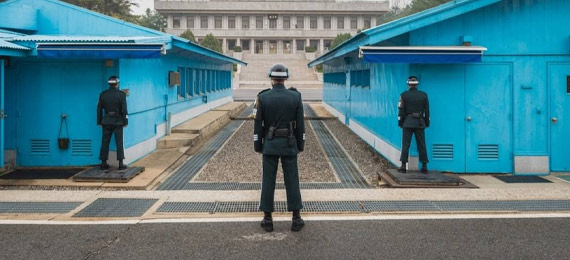
Borders are more than just lines on a map; they represent the intersection of geography, politics, and security. Throughout history, nations have fortified their boundaries to protect their sovereignty, control migration, and safeguard resources. In this blog, we’ll explore the 15 most heavily fortified international borders on Earth, examining the reasons behind their fortifications and the impact they have on the regions they divide.
15 Most International Borders on Earth
1. North Korea–South Korea
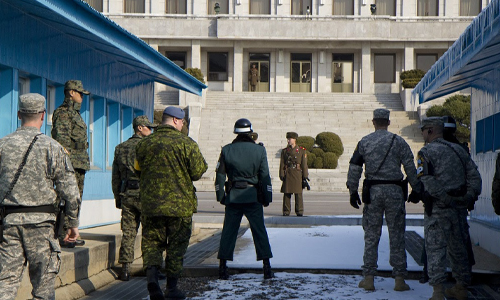
The border between North Korea and South Korea, known as the Korean Demilitarized Zone (DMZ), is perhaps the most heavily fortified international boundary in the world. Stretching approximately 250 kilometers (155 miles), this zone has barbed wire fences, minefields, and a substantial military presence on both sides.
What is the primary purpose of the Korean Demilitarized Zone (DMZ)?
- A. Trade
- B. Tourism
- C. Military buffer
- D. Cultural exchange
The DMZ was established as a buffer zone following the Korean War in 1953, and its heavy fortification reflects the ongoing tension between the two nations.
The DMZ is situated at the border with South Korea, 160km southeast of Pyongyang along the Pyongyang-Kaesong Motorway. Access to the DMZ is occasionally curtailed at short notice when tensions rise, most recently in May 2010 in the aftermath of the Cheonan incident.
2. India–Pakistan
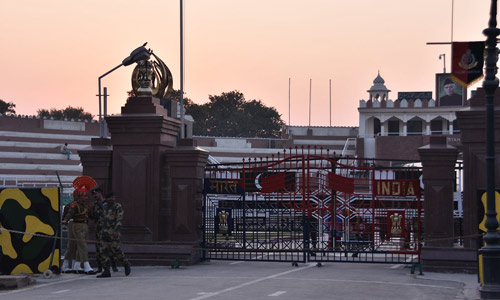
The India-Pakistan border, also known as the Line of Control (LoC) in Kashmir, is heavily fortified due to the long-standing conflict between the two nations.
The LoC has barbed wire fences, observation posts, and patrols. Additionally, both countries have invested heavily in surveillance technology and military infrastructure. The fortification of this border reflects the intense rivalry and periodic skirmishes that have characterized Indo-Pakistani relations since their independence in 1947.
3. US–Mexico
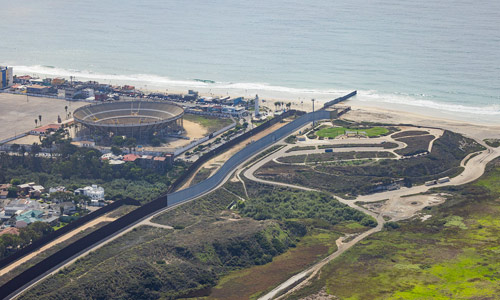
The US-Mexico border, stretching over 3,100 kilometers (1,900 miles), is heavily fortified in certain regions to control illegal immigration and drug trafficking.
The American border map shows a combination of fences, walls, and vehicle barricades, particularly in urban areas and high-traffic zones. The border security measures are designed to prevent unauthorized crossings and manage the complex issues related to migration and security.
California, Arizona, New Mexico, and Texas are the border states along this boundary. Each faces unique challenges related to its geographical and demographic characteristics.
Here is the list of American wars you must know List of Major American Wars That You Need to Know.
4. Israel–Palestine
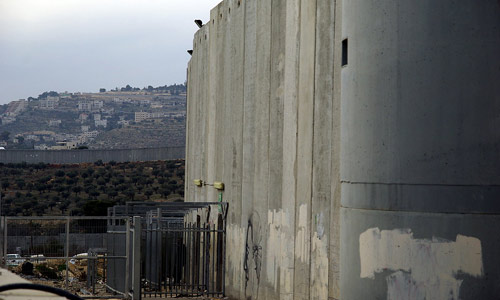
The border between Israel and the Palestinian territories, including the Gaza Strip and the West Bank, is heavily fortified with fences, walls, and checkpoints.
The Israeli government has constructed a security barrier, commonly referred to as the “apartheid wall” by critics, to prevent terrorist attacks and control movement between Israel and the Palestinian territories.
The fortification of this border is a reflection of the ongoing Israeli-Palestinian conflict and the complex political dynamics that define the region.
5. US–Canada
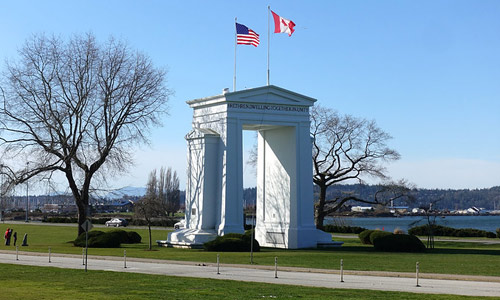
Compared to many other heavily fortified borders, the US-Canada border is the longest undefended border in the world. It is 5525 miles to 8891 kilometers long.
However, specific areas are equipped with barriers and surveillance technology, particularly in regions prone to illegal crossings and smuggling.
The US border state with Canada, notably Alaska, is remote and less fortified than the more densely populated border areas. The fortification is focused on managing security concerns while maintaining a generally open and cooperative boundary.
6. Russia–Ukraine
The Russia-Ukraine border is heavily fortified, particularly in the eastern regions affected by the conflict. The annexation of Crimea and the ongoing conflict in Eastern Ukraine have led to the construction of barriers, trenches, and military installations.
The fortification reflects the intense political and military confrontations between Russia and Ukraine and the efforts to control movement and secure strategic territories.
7. Saudi Arabia–Iraq
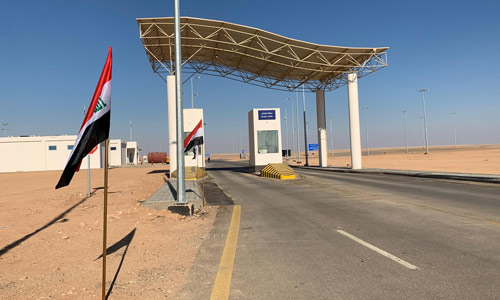
The Saudi Arabia-Iraq border is heavily fortified, particularly since the rise of ISIS and regional instability. The Saudi government has constructed extensive barriers, including fences and military installations, to prevent cross-border terrorism and manage security threats.
The fortification of this border reflects the broader geopolitical dynamics and the need to secure national borders against insurgent activities.
8. Turkey–Syria
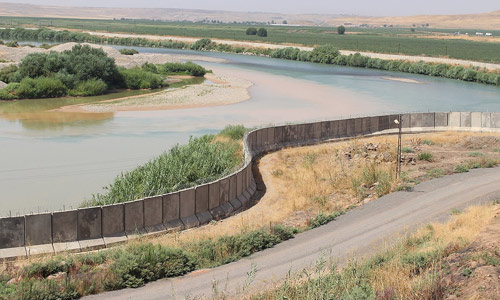
The border between Turkey and Syria is another heavily fortified boundary due to the ongoing Syrian Civil War and the threat of militant activities. Turkey has constructed a significant barrier system, including walls and fences, to prevent the infiltration of insurgents and manage the flow of refugees.
The fortification of this border is part of Turkey’s broader strategy to address security concerns and control migration from the conflict-ridden region.
9. China–India
The border between China and India, particularly in the Ladakh region, is heavily fortified due to the ongoing border disputes. Both nations have invested in building military infrastructure, including roads, outposts, and fortifications, to secure their territorial claims.
The fortification of this border is indicative of the complex geopolitical tensions between the two major Asian powers.
10. Greece–Turkey
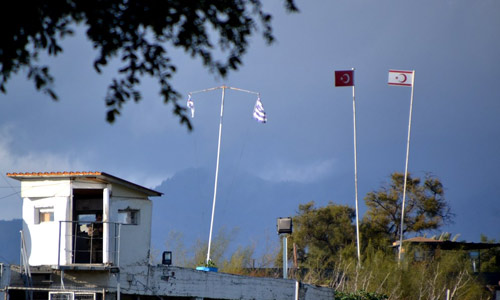
The border between Greece and Turkey, particularly along the Evros River, is heavily fortified with fences and surveillance systems. The fortification aims to control illegal migration and manage security concerns related to cross-border activities.
Periodic tensions have occurred at the border, and the fortifications reflect the broader issues of migration and regional security in the area.
11. Egypt–Gaza
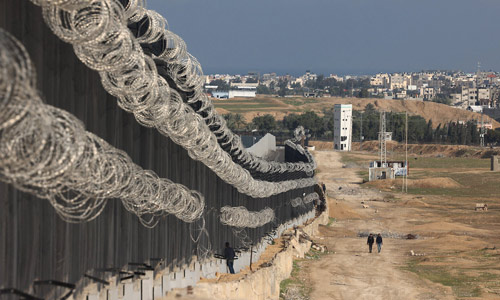
The border between Egypt and the Gaza Strip is heavily fortified with a complex system of barriers and tunnels. Egypt has constructed walls and surveillance systems to control the flow of goods and people into Gaza and address security concerns related to militant activities.
The fortification of this border reflects the broader geopolitical dynamics and the need to manage security in a volatile region.
12. Morocco–Western Sahara
The border between Morocco and Western Sahara is heavily fortified with a 2,700-kilometer (1,700-mile) sand wall, known as the Berm. This barrier separates Moroccan-controlled territory from those controlled by the Sahrawi Arab Democratic Republic (SADR).
The fortification reflects the ongoing conflict over Western Sahara’s status and the efforts to secure territorial claims in the region.
13. North Macedonia–Greece

The border between North Macedonia and Greece is heavily fortified with fences and surveillance technology. The fortification aims to control illegal migration and manage security concerns related to cross-border activities.
The border has seen significant migration pressure in recent years, and the fortifications reflect the efforts to address these challenges.
14. Brazil–Venezuela
The border between Brazil and Venezuela has seen increased fortification in response to the influx of refugees and migrants due to the crisis in Venezuela. Brazil has constructed barriers and increased security measures to manage the flow of people and address security concerns.
The fortification of this border reflects the broader regional dynamics and the impact of political instability on neighboring countries.
15. South Africa–Zimbabwe
The border between South Africa and Zimbabwe is heavily fortified with fences and surveillance systems. The fortification aims to control illegal migration and manage security concerns related to cross-border activities. The border has seen increased pressure due to Zimbabwe’s economic challenges, and the fortifications reflect efforts to address these issues.
FAQs: Most Heavily Fortified International Border on Earth
1. Which border is considered the most heavily fortified international border?
The Korean Demilitarized Zone (DMZ) between North Korea and South Korea is widely regarded as the most heavily fortified border in the world. It features multiple security measures such as barbed wire, tanks, landmines, and heavily armed troops.
2. How long and wide is the Korean DMZ?
The DMZ is about 250 kilometers (roughly 155–160 miles) long and 4 kilometers (about 2.5 miles) wide.
3. Why was the Korean DMZ established?
It was created as part of the Armistice Agreement at the end of the Korean War in 1953, to act as a buffer zone between North and South Korea. Though called a “demilitarized” zone, it is heavily militarized.
4. What kinds of defensive features are in place along the DMZ?
Features include landmines, tank traps, armed patrols, barbed wire fencing, military guard posts, and overlapping zones of surveillance.
5. Is the border constantly active or do events occur?
Yes, there are occasional border incidents: crossings, warning shots, or patrol encounters, though many breaches occur unintentionally (for example, by foliage covering the demarcation signs).
6. Are there other borders known for being heavily fortified?
Yes. For instance, the India-Pakistan border (especially the Line of Control in Kashmir), Israel-Palestine (barriers and walls), and certain parts of the Iran-Pakistan border barrier are often mentioned in lists of highly militarized or fortified borders.
7. How many mines are there in the DMZ?
Estimates say there are approximately 2 million landmines in and around the DMZ.
8. Can civilians visit or cross the DMZ?
Civilians cannot freely cross the DMZ. Some tours exist (on the South Korean side) to observe parts of it, but the area is otherwise off-limits.
9. Why is it called the “Demilitarized Zone” if it’s so militarized?
“Demilitarized Zone” refers to the original intent under the Armistice to limit military activity in that specific strip of land. But surrounding areas remain heavily fortified, with high military readiness on both sides. The name reflects a historical and legal term rather than the current level of militarization. The
10. How does the DMZ affect nature and wildlife?
Interestingly, the DMZ has become an accidental refuge for wildlife. Because of restricted human activity in the zone, many species are thriving in the former no-man’s land. It’s developed unique ecosystems.
Final Note
The fortification of these borders reflects nations’ underlying tensions, conflicts, and security concerns.
From the heavily fortified DMZ between North and South Korea to the complex barriers along the US-Mexico border, each fortified boundary tells a unique story of the challenges and dynamics shaping today’s world.