Every December and January, nearly every corner of the globe lights up with fireworks, parties, and countdowns. Yet few of us pause to wonder: How did this tradition begin? Why do we associate new beginnings with noise, feasting, resolutions, and sometimes peculiar customs?
The answer lies in a rich tapestry woven across cultures, belief systems, and eras. The History of New Year Celebration is not just a timeline — it’s a story of human curiosity, hope, shared beginnings, and the deep desire to hit a symbolic reset button together.
Let’s rewind the clock… way back.
Which ancient civilization is credited with the earliest New Year celebrations?
- A. Ancient Egypt
- B. Ancient Rome
- C. Ancient Mesopotamia
- D. Ancient Greece
Why January?

Because it honored Janus, the two-faced god of beginnings and transitions — one face looking backward, one forward. Talking about symbolism! Janus essentially invented the official looking-ahead vibe we still use today.
History of Calendar

How did the New Year begin? We thank Roman King Numa Pompilius for revising the Roman Republican calendar and replacing March with January as the first month. He made an excellent decision because January honored Janus, the Roman god of all beginnings, while March honored Mars, the god of war. However, Romans did not observe January 1 as New Year’s Day until 153 BCE.
Julius Caesar Modification
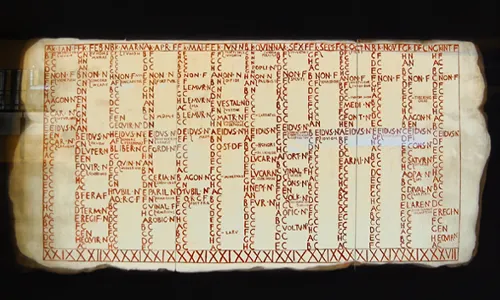
In 4 BCE, Julius Caesar modified the calendar and established January 1 as the opening date. As the Roman Empire expanded, the use of the Julian calendar also spread. In the 5th century CE, after Rome fell, several Christian countries modified the calendar to align with their religion. They observed March 25 as the Feast of the Annunciation and December 25 as Christmas, both serving as common New Year’s Days.
Later, the Julian calendar required modifications because of miscalculations related to leap years. Over several centuries, these errors caused many events to fall in the wrong season. People also struggled to decide the correct date of Easter.
Revision by Pope Gregory XIII
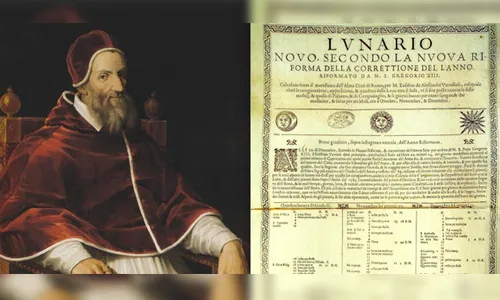
In 1582, Pope Gregory XIII introduced a revised calendar. To solve the leap year problem, he designated January 1 as the first day of the New Year in the Gregorian calendar. Italy, France, and Spain accepted the new calendar immediately. Protestant and Orthodox nations initially rejected it but gradually adopted it. Great Britain and its American colonies did not adopt the Gregorian calendar until 1752, continuing to celebrate New Year’s Day on March 25 until then.
Over time, non-Christian countries also began to follow the Gregorian calendar. In 1912, China continued to celebrate New Year according to its lunar calendar. Many nations adopted the
Gregorian calendar while also following their traditional or religious calendars. Some countries never adopted it and continue to start the year on their own New Year dates. Ethiopia, for example, still celebrates its New Year, known as Enkutatash, in September.
The Earliest New Year Celebrations
Ancient Mesopotamia
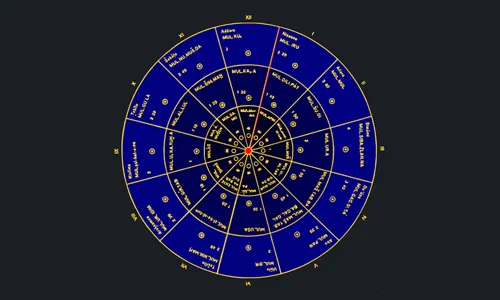
The earliest recorded New Year celebrations date back over 4,000 years to ancient Mesopotamia (modern-day Iraq). The festival was called Akitu, a springtime celebration linked to the agricultural cycle. Far from fireworks, this event involved ceremonies honoring gods, reaffirming the king’s divine mandate, and a string of symbolic rituals designed to renew order in the cosmos.
Ancient Egypt: A Solar New Year
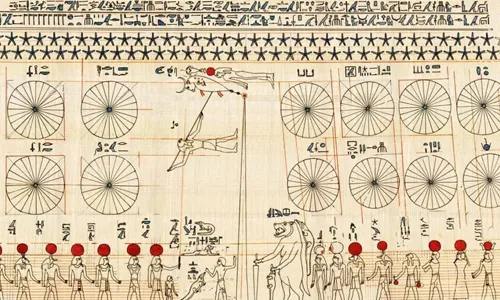
For the ancient Egyptians, the New Year was connected to the rising of the star Sirius, which coincided with the annual flooding of the Nile — a crucial event for fertile soil and fresh crops. This wasn’t a calendar flip-through moment; it was life-changing in a very literal sense. The river’s rejuvenation meant survival.
Ancient Rome: January and Janus
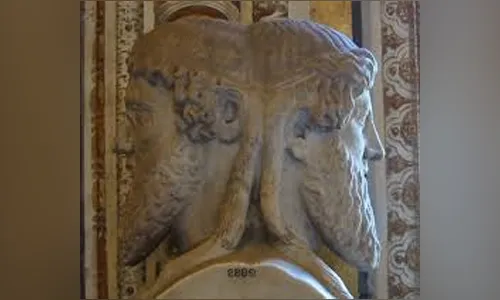
The Romans didn’t always celebrate January 1 as a New Year. Initially, their calendar began in March, tied to planting and harvesting seasons. But when Julius Caesar introduced the Julian calendar in 46 BCE, the year began on January 1.
Medieval Europe: Quiet Celebrations and Church Influence
As Christianity spread, the focus shifted from pagan festivals to religious observances. January 1 became associated with the Feast of the Circumcision and other church events, making the occasion more solemn. Fireworks were still centuries away, and the idea of loud night-long celebrations was yet to catch on.
Across Asia: Lunar New Year Traditions
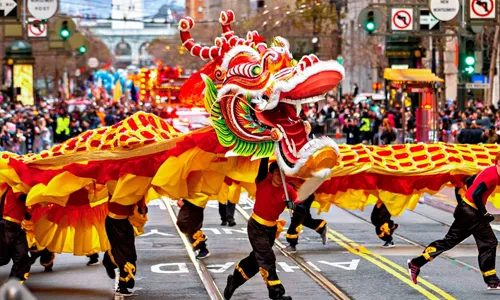
The History of New Year Celebration takes an intriguing twist in Asia. Many countries — including China, Korea, and Vietnam — celebrate the New Year according to lunar calendars. These festivals turn into multi-day events filled with parades, dragon dances, family reunions, and symbolic foods believed to bring luck, health, and prosperity.
Chinese New Year alone has inspired countless customs around the world, from red envelopes to parades that light up entire cities.
The Birth of Modern New Year’s Celebration
Fast forward to the Renaissance and beyond, and Western Europe began reintegrating festivity and spectacle into January 1 celebrations. Midnight toasts, parties, music, and fireworks became widespread, eventually blending with secular cultural customs that celebrated:
- Fresh starts
- Hope
- Reflection
- Community gatherings
What started as religious or seasonal markers transformed into global cultural phenomena.
Why We Still Celebrate

So what makes New Year’s such a powerful — and persistent — tradition?
At its core, the History of New Year Celebration reveals something deeply human:
we want a fresh start.
Across centuries, civilizations have created rituals to reset public life, renew faith in survival, and express collective hope. New Year’s is both personal and communal — a shared heartbeat that thumps once every 365 days.
We celebrate not just because it’s tradition, but because we choose hope — together.
Everything You Must Know
When did New Year celebrations begin?
The earliest recorded celebrations began in ancient Mesopotamia over 4,000 years ago.
Why do we celebrate New Year on January 1?
Because the Roman calendar reform under Julius Caesar shifted the start of the year to January 1, honoring the god Janus.
What are some universal New Year symbols?
Fireworks, feasts, champagne toasts, countdowns, and symbolic foods meant to bring luck and prosperity.
Do all cultures celebrate New Year on the same day?
No. Many cultures follow lunar or seasonal calendars, such as Chinese, Islamic, or Jewish New Years.