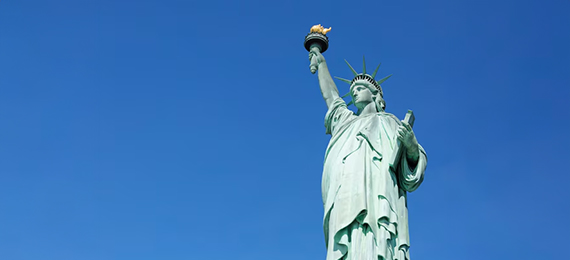
The Statue of Liberty wasn’t built in one place—it was born in two worlds. Designed in France and assembled in America, this iconic monument tells a tale of international friendship, engineering brilliance, and human effort. But where was statue of liberty built? Let’s take a deeper look into its incredible journey.
A Franco-American Dream
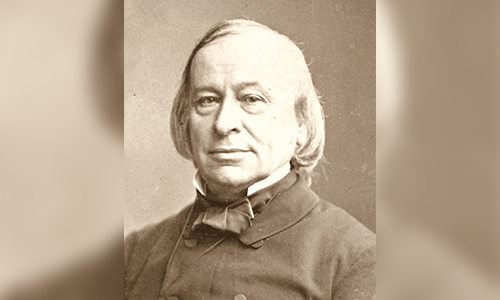
In 1865, French political thinker and abolitionist Édouard René de Laboulaye proposed that France gift a monument to the United States as a tribute to liberty and to celebrate the centennial of American independence. His vision also symbolized the enduring friendship between France and the U.S., rooted in democratic values.
Where was statue of liberty built?
- A. London
- B. Paris and New York
- C. Washington D.C.
- D. Rome
The Birthplace of Liberty
Sculptor Frédéric Auguste Bartholdi was commissioned to design the statue. His idea was to create a towering female figure representing Libertas, the Roman goddess of liberty, holding a torch and a tablet inscribed with July 4, 1776.
Construction of the statue began in 1875 at the workshops of Gaget, Gauthier & Co. in Paris, France. The statue’s skin was made from over 30 tons of hammered copper sheets, using the repoussé technique, where metal is shaped by hammering from the reverse side over wooden molds.
Eiffel’s Engineering Marvel
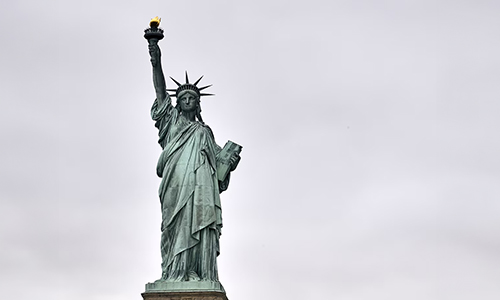
To support the massive structure, renowned French engineer Alexandre-Gustave Eiffel, later famous for the Eiffel Tower, designed an internal iron framework. This iron skeleton was both strong and flexible, allowing the statue to endure ocean transport and withstand the strong winds in New York.
Bartholdi completed key parts of the statue, such as the torch-bearing arm, which was displayed at the Centennial Exposition in Philadelphia in 1876, and the head, which was showcased at the World’s Fair in Paris in 1878 to generate interest and funding.
By 1884, the entire statue—measuring 151 feet from base to torch—was completed in Paris. Then began the task of disassembling it into 350 individual pieces, carefully packed into 214 wooden crates, and transported aboard the French ship Isère, which arrived in New York Harbor on June 17, 1885.
The American Assembly
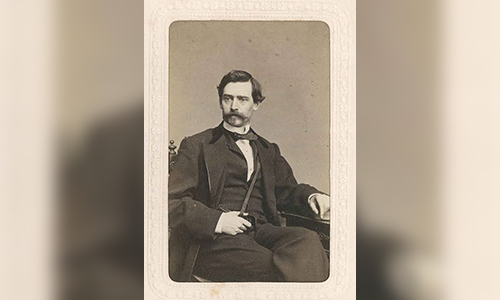
While the statue was crafted in France, the pedestal was built in America. Designed by American architect Richard Morris Hunt, it was to be placed on Bedloe’s Island (later renamed Liberty Island), within the walls of the star-shaped Fort Wood, a former military base.
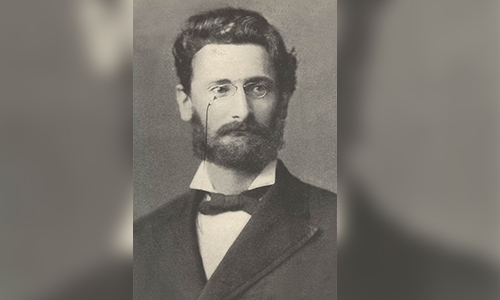
Raising funds for the pedestal proved difficult. The American public and elite donors showed little interest—until publisher Joseph Pulitzer launched a campaign through his newspaper, The New York World. He urged Americans to contribute, regardless of amount, and received donations from over 120,000 people, including children and working-class families.
By April 1886, the pedestal was finally completed. Reassembly of the statue began, largely carried out by immigrant workers, who hoisted the iron framework and affixed the copper plates. The effort itself became symbolic of the American immigrant experience.
A Monument is Born: Dedication Day
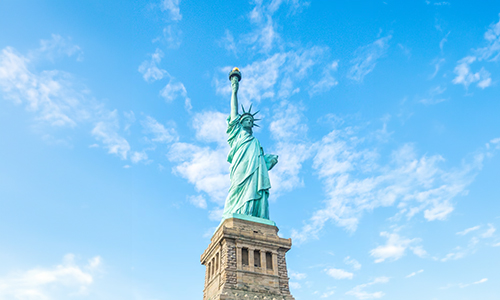
On October 28, 1886, the Statue of Liberty was officially unveiled in a massive ceremony attended by thousands, including U.S. President Grover Cleveland, who declared, “We will not forget that Liberty has here made her home.”
The statue stood as a gift from the people of France to the people of the United States, but also as a beacon to immigrants arriving at nearby Ellis Island, a silent guardian welcoming those in search of freedom.
Timeline of this Monumental Undertaking
| Year | Event | Location | Key Figures/Entities |
| 1865 | Idea Proposed | Versailles, France | Édouard René de Laboulaye |
| 1870 | Initial Designs Begin | France | Frédéric Auguste Bartholdi |
| 1871 | Bedloe’s Island Selected | New York, USA (Bedloe’s Island) | Frédéric Auguste Bartholdi |
| 1875 | Construction Begins | Paris, France (Gaget, Gauthier & Cie) | French artisans, Bartholdi |
| 1876 | Arm & Torch Exhibited | Philadelphia, USA | French Committee, Bartholdi |
| 1878 | Head & Shoulders Exhibited | Paris, France | French Committee, Bartholdi |
| 1879 | Gustave Eiffel Joins Project | Paris, France | Alexandre-Gustave Eiffel |
| 1881 | Statue Assembly Begins (Paris) | Paris, France | French artisans, Eiffel |
| 1884 | Statue Fully Assembled (Paris) | Paris, France | French artisans, Eiffel |
| 1884 | Presented to U.S. Minister | Paris, France | Levi P. Morton, Bartholdi |
| 1884 | Pedestal Cornerstone Laid | New York, USA (Bedloe’s Island) | Richard Morris Hunt |
| 1885 | Statue Disassembled & Shipped | Rouen, France | French Navy (Frigate Isère) |
| 1885 | Statue Arrives in New York | New York, USA (Bedloe’s Island) | French Navy, New Yorkers |
| 1885 | Joseph Pulitzer’s Fundraising Campaign | United States | Joseph Pulitzer, American Public |
| 1886 | Pedestal Completed | New York, USA (Bedloe’s Island) | Richard Morris Hunt, American Workforce |
| 1886 | Statue Reassembled | New York, USA (Bedloe’s Island) | Immigrant Workforce, Eiffel’s framework |
| 1886 | Grand Dedication Ceremony | New York, USA (Bedloe’s Island) | President Grover Cleveland, Public |
A Symbol Evolving With Time
While Liberty was celebrated, not all Americans felt its promise. Critics pointed to the hypocrisy of championing liberty while women lacked the right to vote and racial discrimination prevailed. Over time, however, the statue became a broader symbol—not just of American ideals, but of hope, refuge, and human aspiration.
In 1924, it was declared a National Monument, and in 1956, Bedloe’s Island was officially renamed Liberty Island. In 1984, the statue was designated a UNESCO World Heritage Site.