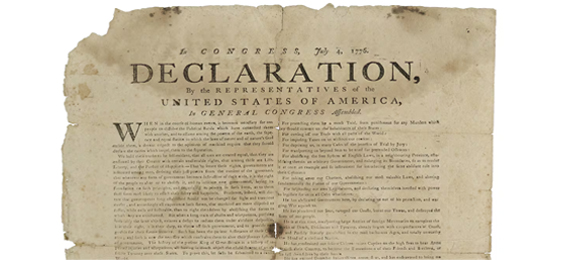
If there’s one question every trivia lover should know, it’s when the Declaration of Independence was signed. July 4, 1776, instantly pops into mind—but history comes with a twist. While the Declaration of Independence was adopted on July 4, the majority of signatures were added later, mainly on August 2, 1776. Yes, the story is far richer than the date printed on our calendars—and that’s exactly what makes it a great trivia topic.
Let’s travel back to the 18th century and break down the key facts, signers, writers, and fascinating details behind the birth certificate of the United States of America.
The Real Signing Timeline
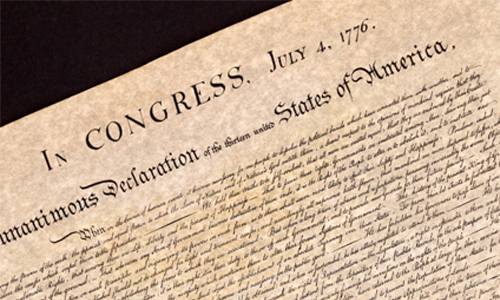
When was the Declaration of Independence adopted?
- A. July 2, 1776
- B. June 12, 1776
- C. July 4, 1776
- D. May 1, 1776
| Event | Date |
| Drafting of the Declaration begins | June 1776 |
| Declaration adopted by Continental Congress | July 4, 1776 |
| Most official signatures added | August 2, 1776 |
| Final additions to signatures | Late 1776–1781 |
So the answer to the big question — when was the Declaration signed — depends on what part of the signing you mean.
What Is the Declaration of Independence?
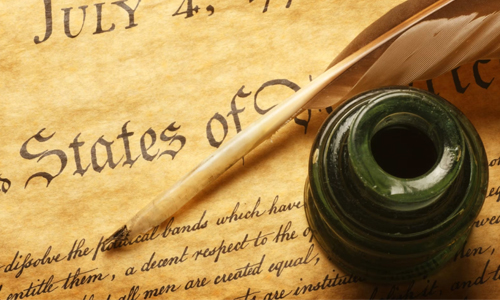
The United States Declaration of Independence is a document that formally announced the separation of the American colonies from British rule. It outlined the colonists’ belief in individual rights and listed grievances against King George III. In other words, what did the Declaration of Independence do?
It declared America’s freedom.
Who Wrote the Declaration?
The drafting committee included five key members:
- Thomas Jefferson – Primary writer
- John Adams
- Benjamin Franklin
- Roger Sherman
- Robert R. Livingston
Jefferson wrote the text of the Declaration of Independence, and the others made revisions before presenting it to Congress.
Where Was the Declaration of Independence Signed?
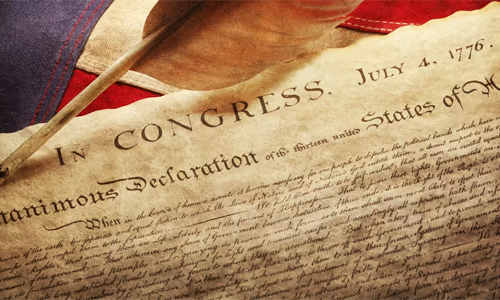
Pennsylvania State House (now Independence Hall), Philadelphia. That’s where the dramatic signing moment happened—with the future of the nation hanging in the balance.
Who Signed the Declaration of Independence?
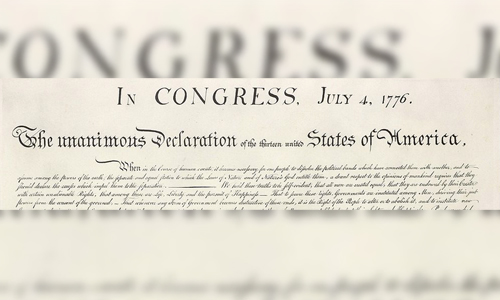
| Signer | Colony |
| John Hancock | Massachusetts |
| Thomas Jefferson | Virginia |
| Benjamin Franklin | Pennsylvania |
| John Adams | Massachusetts |
| Samuel Adams | Massachusetts |
The signatures on the Declaration of Independence represented a united front—despite deep regional differences.
The Constitution vs. the Declaration — Not the Same Thing!
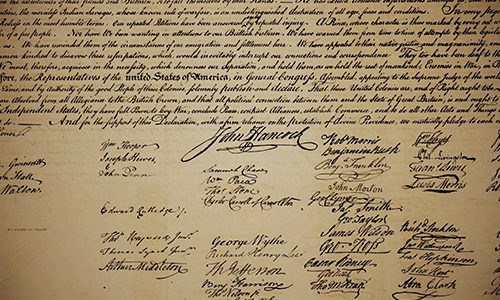
People often mix them up and wonder when the Constitution was written.
- Constitution drafted: 1787
- Declaration adopted: 1776
The Constitution writers were a different group, known as the Framers, including James Madison, Alexander Hamilton, and George Washington.
Trivia-Ready Fun Facts
| Fact | Did You Know? |
| John Hancock’s signature | The largest and most iconic |
| Paper used | Parchment made from animal skin |
| Jefferson’s edits | 86 proposed edits were debated |
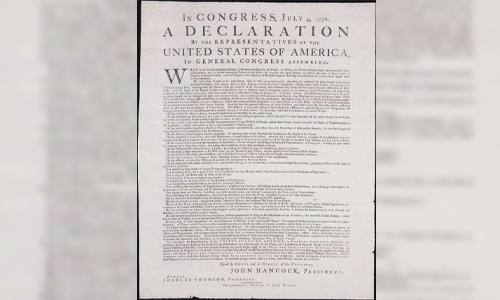
| Copies printed | 200+ Dunlap broadsides distributed overnight |
Everything You Need to Know about The Declaration of Independence
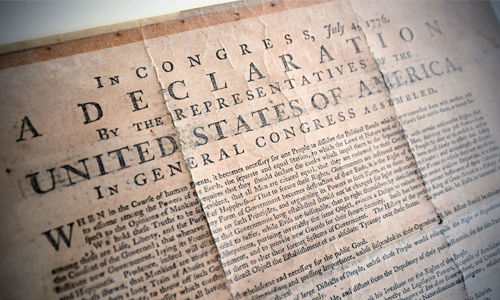
Was the Declaration of Independence actually signed on July 4?
Not by most signers—only the adoption happened on July 4; signatures mainly followed on August 2.
Why is July 4 celebrated if most signing happened later?
Because July 4 marks the official adoption of the Declaration.
How old was Thomas Jefferson when he wrote it?
He was 33 years old.
How long did the Revolutionary War last after the signing?
About 5 more years.
How many people signed the Declaration of Independence?
A total of 56 delegates signed it.
Is the Declaration of Independence the same as the Constitution?
No. The Declaration declared independence; the Constitution established the U.S. government.
Where is the original Declaration today?
It is displayed in the National Archives, Washington, D.C.
Who was the last person to sign the Declaration?
Thomas McKean is believed to be the last, signing months after the others.
So next time someone asks, “When was the Declaration of Independence signed?”, you’ll know the complete story:
- Adopted on July 4, 1776
- Mostly signed on August 2, 1776
More than a date, the Declaration represents courage, unity, and the beginning of a nation — and that’s what makes it one of the most captivating pieces of U.S. history.