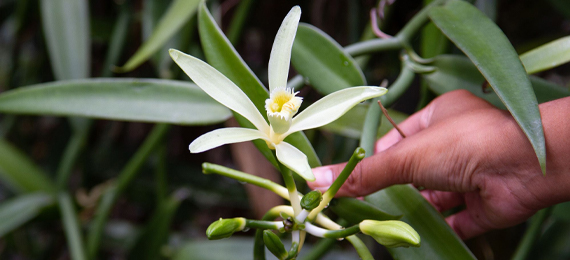
The vanilla plant originated in Mexico. However, the favorable climatic conditions and certain other factors make Africa and a few Asian countries outstrip vanilla production. Madagascar and Indonesia together produce two-thirds of the world’s vanilla.
Madagascar is the world’s leading producer of vanilla, growing and exporting over 80% of the world’s vanilla as of 2022.
Top Vanilla Producing Country
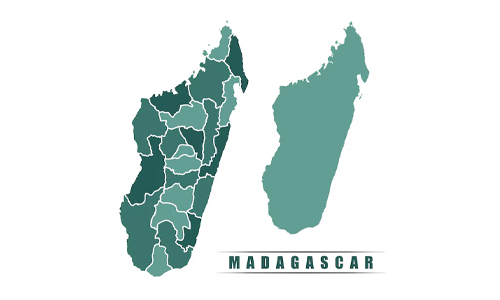
Which country produces the most vanilla?
- A. Mexico
- B. Madagascar
- C. India
- D. Brazil
Madagascar is the largest producer of vanilla in the world. The vanilla plant is a tropical climber from the orchid family that grows 30 to 50 feet tall. The tropical climate is the most suitable for vanilla cultivation.
How Is It Produced?
The unripe vanilla bean is plucked from the plant and cured. A vanilla pod contains a lot of tiny seeds. They are used in the flavor extraction process, along with the vanilla pod.
Vanilla is the most expensive spice in the world next to saffron. This has a long history of usage dating back to the Aztec kingdom, where they used to add flavor to chocolates and beverages as a flavoring ingredient.
Recently, vanilla has become exorbitant as the drought has hit the island and made many farmers choose other crops like rice, corn, and sweet potato over vanilla for cultivation.
Madagascar – Top Vanilla Production by Nation
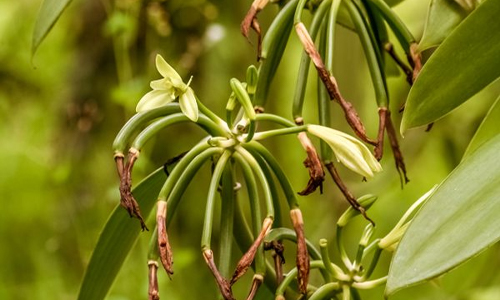
Madagascar is the leading producer of vanilla in the world because it has a near-perfect climate for vanilla cultivation, with a specific region in the northeast called ”Sava” offering ideal conditions. The farmers here are dedicated to a meticulous hand-pollinated process, allowing them to produce a large portion of the world’s vanilla supply.
The key factors contributing to Madagascar’s dominance in vanilla production are given below:
1. Climate
The tropical climate in the Sava region of Madagascar provides the necessary temperature and rainfall for optimal vanilla growth.
2. Hand-pollination
Unlike other vanilla producing countries, Madagascar relies heavily on manual pollination of the vanilla flowers, which results in higher quality beans.
3. Curing Process
Madagascar farmers have developed a refined curing process that enhances the flavor and aroma of the vanilla beans.
4. “Bourbon Vanilla” Reputation
Vanilla produced in Madagascar is often called “bourbon vanilla” due to its historical association with Île Bourbon, which includes Madagascar.
5. Labor Availability
Although the hand pollination process is labor intensive, it is feasible in Madagascar due to the readily available workforce.
What Makes Madagascar Vanilla Stand Out From Other Types of Vanilla?
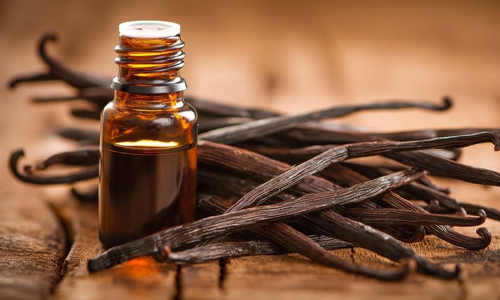
The answer lies in the soil and climatic conditions of the island. The rich volcanic soil, combined with the ideal temperature and rainfall, creates the perfect environment for cultivating vanilla plants.
Additionally, the traditional, labor intensive process of pollination, hand harvesting, and curing vanilla beans contribute to the high quality of the final product.
The Struggles Behind Vanilla Production
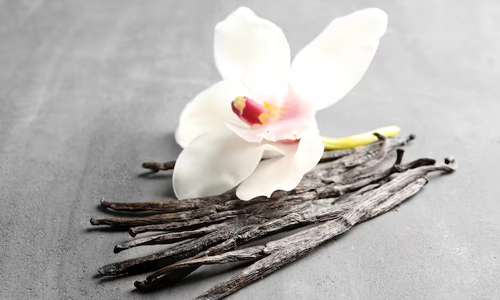
While Madagascar remains the undisputed leader in vanilla production, the industry is far from easy. Several factors contribute to the challenges faced by vanilla farmers, making the price of vanilla so high and its supply so unpredictable.
Challenges
1. Sheer Labor Intensity
In Madagascar, farmers manually pollinate vanilla flowers because they cannot be naturally pollinated. This delicate task often requires two people to ensure the right touch for successful pollination.
2. Threat of Cyclones
Disasters can devastate entire crops, as the delicate vanilla vines can be uprooted or destroyed by the wind.
3. Theft
There is also the risk of theft, as the high value of vanilla beans makes them an attractive target for criminals.
The combination of these factors has led to fluctuations in the price of vanilla, with the cost of a kilogram of vanilla soaring to unprecedented heights in recent years.
Fun Vanilla Facts!
1. Vanilla Is a Flower, Not a Bean!
Vanilla comes from the orchid, Vanilla planifolia, a type of flower that must be pollinated manually in Madagascar due to the absence of the native pollinating bee.
2. Vanilla’s Natural Habitat Is in Mexico
Despite being the world’s largest producer, Madagascar’s vanilla originates from the tropical regions of Mexico. Mexican vanilla is still considered the benchmark for high-quality vanilla today.
3. Edmond Albius: The Unsung Hero
In 1841, Edmond Albius, a 12-year-old enslaved boy, discovered the technique of hand-pollinating vanilla flowers in Madagascar, a process that revolutionized vanilla cultivation on the island.
4. Vanilla Beans Are Actually Pods
When you think of vanilla, you might imagine a typical “bean,” but it’s technically a pod. These pods must be harvested, cured, and dried to develop their signature vanilla flavor.
5. The Price of Vanilla Can Vary Wildly
Due to the high labor demands, fluctuating weather conditions, and growing demands, vanilla prices have skyrocketed in recent years, sometimes reaching over $5,350 per kilogram.