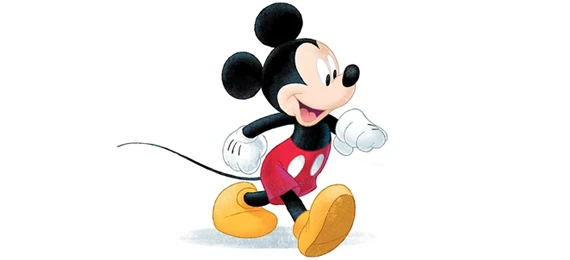
Cartoons are cultural time machines. One moment you’re laughing at slapstick chaos, the next you’re realizing these animated personalities quietly shaped humor, fashion, values, and even the way stories are told. When we talk about famous cartoon characters, we’re not just listing names. We’re mapping a universe of imagination that spans nearly a century.
From black-and-white animation reels to streaming-era storytelling, cartoon characters have evolved alongside technology and audiences. Some made us laugh until our stomachs hurt, others taught resilience, empathy, or curiosity. A select few became so iconic that they transcended entertainment and turned into global symbols.
Let’s begin with the character who stands as the heartbeat of animation history.
Which character is widely considered the most iconic cartoon character of all time?
- A. Bugs Bunny
- B. SpongeBob SquarePants
- C. Homer Simpson
- D. Mickey Mouse
The Most Iconic Cartoon Character Of All Time
Mickey Mouse
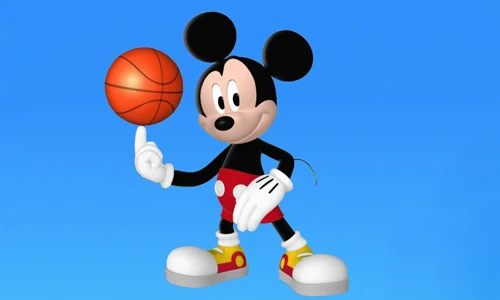
When people picture cartoons, Mickey’s silhouette often appears first. Created by Walt Disney and Ub Iwerks in 1928, Mickey wasn’t just a successful character; he was a revolution. His debut in Steamboat Willie introduced synchronized sound to animation, changing the industry forever.
Why Mickey became the ultimate icon:
- Universal appeal – Simple design, expressive personality
- Cultural longevity – Nearly a century of relevance
- Symbolic power – Represents creativity and optimism
Mickey’s charm lies in adaptability. From mischievous troublemaker in early shorts to friendly global ambassador, he evolved without losing his core spirit. That rare balance is why he remains the gold standard of cartoon fame.
The Evolution Of Famous Cartoon Characters
Cartoon icons didn’t appear overnight. Each era brought new storytelling styles and character archetypes shaped by cultural shifts and technological leaps.
The Golden Age (1920s–1960s)
This period built the foundation of animation. Characters were exaggerated, expressive, and heavily rooted in visual comedy.
Bugs Bunny

The wisecracking rabbit turned sarcasm into an art form. Bugs introduced a smarter, more self-aware protagonist who often outwitted authority figures.
Tom and Jerry
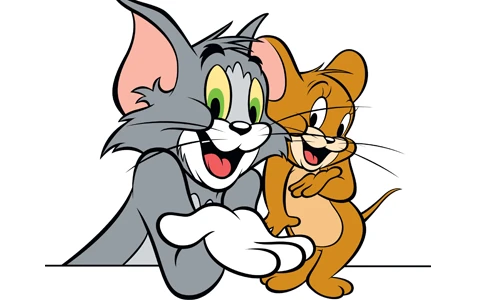
This duo proved that dialogue isn’t necessary for timeless comedy. Their chase dynamic became one of animation’s most enduring formulas.
The Television Boom (1960s–1990s)
As TVs entered living rooms, cartoons became part of daily routines. Characters grew more story-driven and relatable.
Fred Flintstone
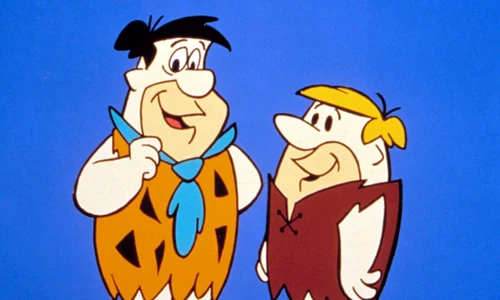
A prehistoric sitcom dad who mirrored modern suburban life, Fred showed how animation could parody real-world culture.
Scooby-Doo
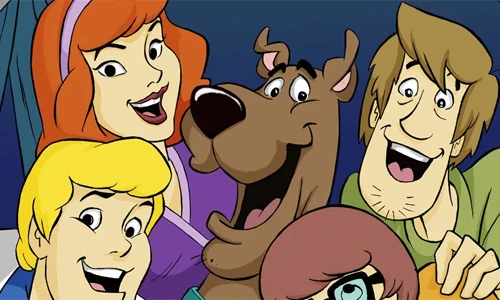
Combining comedy and mystery, Scooby and his gang turned episodic storytelling into a formula that still works decades later.
The Animation Renaissance (1990s–2000s)
This era brought bold humor, emotional storytelling, and experimental styles.
Homer Simpson

Flawed yet lovable, Homer redefined the animated sitcom protagonist. His humor blended satire with heart, making him one of television’s most recognizable characters.
SpongeBob SquarePants
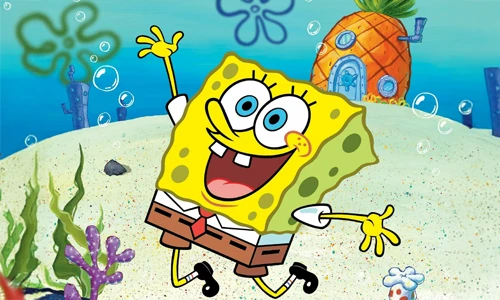
Absurd, joyful, and endlessly quotable, SpongeBob proved that pure positivity could anchor a wildly surreal world.
The Modern Era (2010s–Present)
Today’s characters often explore emotions, identity, and representation.
Finn the Human
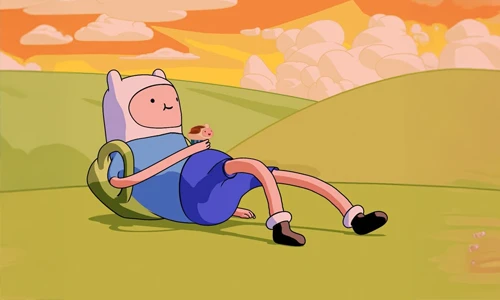
Finn’s journey from carefree adventurer to emotionally complex hero reflects how modern animation embraces growth arcs.
Bluey
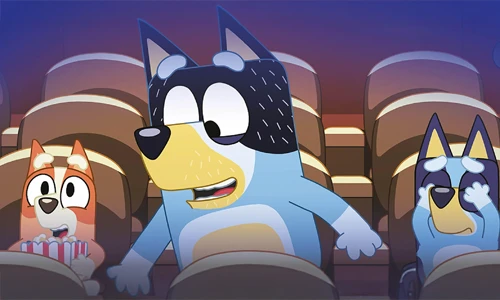
A newer icon, Bluey, shows how simple family stories can resonate globally through warmth and authenticity.
Famous Cartoon Characters Listed Based on Category
Male Cartoon Icons
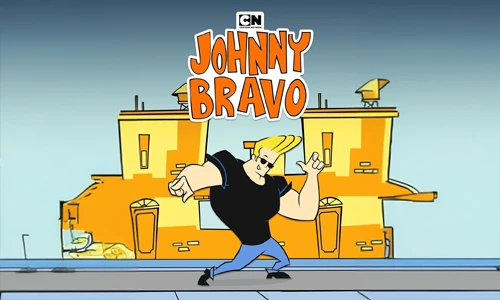
Male characters historically dominated early animation, often embodying humor archetypes like the trickster, hero, or everyman.
Notable examples include:
- Johnny Bravo – A comedic exaggeration of confidence
- Peter Griffin – Satirical take on suburban life
- Ash Ketchum – A global anime hero symbolizing perseverance
These characters highlight how humor and heroism evolved across decades.
Female Cartoon Icons

Female characters have increasingly taken center stage, bringing emotional depth, leadership, and diversity to animation.
- Minnie Mouse – Timeless elegance and warmth
- Lisa Simpson – Intelligence and moral clarity
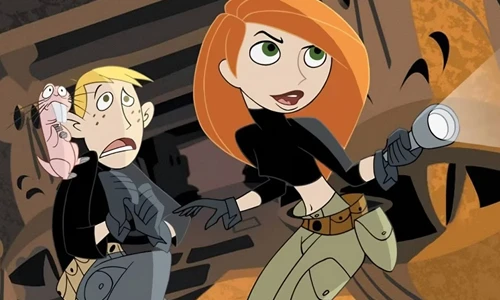
- Kim Possible – Action hero balancing normal life
Their rise mirrors broader cultural shifts toward more inclusive storytelling.
Animal And Non-Human Characters
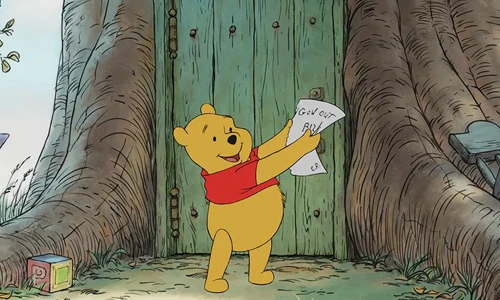
Animation thrives on imagination, which is why non-human characters often become the most memorable.
- Garfield – Relatable laziness turned iconic
- Pikachu – One of the most recognizable animated figures worldwide
- Winnie-the-Pooh – Gentle storytelling rooted in friendship
Their exaggerated traits make emotions clearer and stories universally accessible.
The Cultural Impact Of Cartoon Characters

Famous cartoon characters influence far more than entertainment.
They shape:
- Language – Catchphrases become everyday expressions
- Fashion – Character-inspired clothing trends
- Merchandising – Toys, theme parks, and global brands
- Education – Teaching values through storytelling
Some characters even become symbols of entire companies or countries, demonstrating the extraordinary power of animation.
The Psychology Behind Our Attachment
Humans naturally form emotional bonds with characters who display clear expressions and predictable traits. Animation amplifies these cues through color, exaggeration, and timing, making characters feel approachable and memorable.
Psychologists often describe cartoon characters as “safe emotional spaces.” They allow audiences to explore humor, fear, or empathy in a controlled, entertaining environment.
The Future of Cartoons Characters
Animation is entering an era of unprecedented diversity and innovation. Streaming platforms enable niche stories, while technology like real-time rendering expands visual possibilities.
Future icons will likely:
- Represent broader cultures and identities
- Blend humor with deeper emotional narratives
- Cross media between games, films, and virtual spaces
The next Mickey Mouse may already exist on a streaming platform, quietly building a global fanbase.
Cartoon characters are a living archive of creativity. Each icon reflects the era that created it while continuing to entertain new audiences. From the timeless charm of Mickey Mouse to the emotional storytelling of modern heroes, these characters remind us that imagination has no expiration date.
They make us laugh, comfort us, and sometimes even teach us who we want to be. And that’s why, no matter how technology evolves, cartoon characters will always have a starring role in our cultural story.