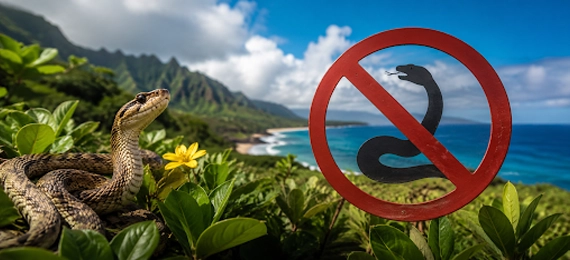
Hawaii has no native terrestrial snakes because the islands are completely isolated volcanic structures that have never connected to any continental landmass, making it geographically impossible for land-bound reptiles to cross thousands of miles of open ocean.
If you are planning a tropical getaway to the Pacific and happen to suffer from an intense fear of slithering reptiles, you can breathe a massive sigh of relief because there are absolutely no native snakes in Hawaii. While other tropical paradises around the globe boast a colorful array of pythons, vipers, and boas, this American state remains an incredibly rare oasis of snake-free bliss. But how did this slice of heaven escape the global reptilian takeover? Let’s dive into the wild history, evolutionary flukes, and badass border control teams that keep the islands entirely clear of slithering party-crashers.
Why Are There No Native Snakes in Hawaii?
Is it legal to own a pet snake in Hawaii?
- A. Yes
- B. No
To understand why the islands are empty of legless reptiles, we have to look at how Hawaii was made. Unlike continents or islands that broke off from larger landmasses, the Hawaiian archipelago popped out of the ocean floor courtesy of underwater volcanic hot spots. Because it was never connected to a continent, every single native plant and animal species had to get there via “The Three W’s”: Wings, Waves, or Wind.
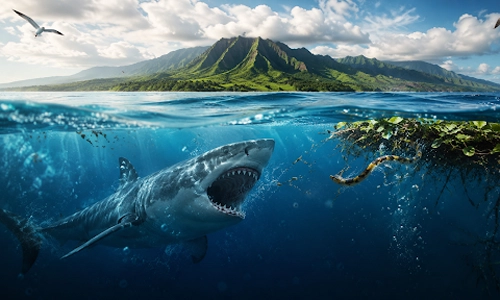
Birds flew over (Wings), seeds and insects blew across the atmosphere (Wind), and marine life or lucky critters drifted over on mats of vegetation (Waves). Snakes, unfortunately for them but fortunately for you, are terrible at long-distance ocean navigation. The nearest continental landmass is California, located a grueling 2,500 miles away. A land snake attempting to swim that distance would instantly become an appetizer for a tiger shark.
Are There Any Exceptions to the Snake-Free Rule?
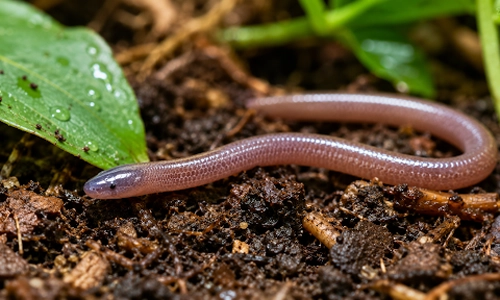
While there are no native land snakes, the universe loves a loophole. There is actually one tiny, deeply weird exception that sneaked into the ecosystem: The Brahminy blindsnake.
This creature is frequently mistaken for a shiny earthworm. Reaching a maximum length of just six inches, these tiny subterranean dwellers are completely non-venomous and entirely harmless. They were accidentally introduced to the islands in the late 20th century inside the root balls of imported potting soil from Asia.
The fun part? Every single Brahminy blindsnake on the planet is female. They reproduce via parthenogenesis, a fancy scientific term meaning they can lay fertile eggs without needing a male partner. Even with this cloning superpower, they pose no threat to humans and spend their lives eating ant eggs deep underground.
How Does the State Keep Snakes in Hawaii Out?

Because Hawaii’s native bird species evolved in an environment completely devoid of snakes, they have absolutely no defensive instincts against them. Introduce a predatory snake species here, and it would trigger an immediate ecological apocalypse. To prevent this, local authorities implemented some of the most aggressive anti-snake measures on Earth to stop snakes in Hawaii from taking over.
- Massive fines and jail time. Possessing or smuggling a snake into the state is a Class C felony. If caught, you face up to three years in a state penitentiary and a massive fine of up to $200,000.
- The Aloha Amnesty Program. If someone realizes their illegal pet snake is a terrible idea, they can turn it into the Department of Agriculture with zero questions asked and zero legal penalties.
- The Canine Hero Squad. The state maintains a highly trained group of detector dogs—mostly energetic Jack Russell Terriers and Labradors—at major airports. These super-sniffers inspect incoming cargo planes, specifically targeting flights from Guam, to catch sneaky hitchhikers.
The primary target of these canine units is the devastating brown tree snake. In the 1940s, this aggressive predator accidentally hitched a ride on military aircraft to Guam, completely wiping out 10 of the island’s 12 native forest bird species. Hawaii looked at Guam’s tragic ecological collapse and decided, “Not on our watch.”
FAQ
Are snakes common in Hawaii?
No, snakes are not common in Hawaii. Terrestrial snakes are completely illegal, and the only established species is the tiny, harmless Brahminy blindsnake, which looks exactly like an earthworm.
Is there anything venomous in Hawaii?
Hawaii has no venomous land snakes. However, you can find venomous marine life like box jellyfish, a rare yellow-bellied sea snake, and terrestrial pests like centipedes and black widow spiders.
What is the biggest predator in Hawaii?
On land, the largest apex predators are introduced species like feral cats, mongooses, and wild boas/pigs. In the surrounding ocean waters, the largest predators are tiger sharks and great white sharks.
What happens if you bring a snake to Hawaii?
Bringing a snake into Hawaii is a Class C felony. If caught, you face severe legal penalties, including up to three years in prison and a maximum fine of $200,000.