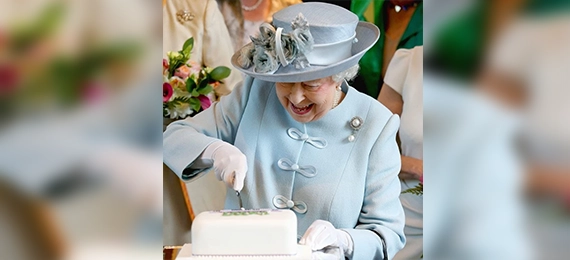
Queen Elizabeth II, like several monarchs before her, celebrated her birthday twice a year because her actual birth month of April was too chilly and rainy to guarantee a good turnout for an outdoor public parade.
You’ll never guess the real reason behind this royal double-dipping, but it turns out saving a second date for cake is a 250-year-old tradition. Let’s unwrap the hilariously practical history behind the ultimate birthday perk.
Exactly Why Queen Elizabeth Had Two Birthdays
What month was Queen Elizabeth II actually born?
- A. June
- B. November
- C. April
- D. September
To understand this quirky tradition, you have to look at the skies over London. Queen Elizabeth II was born on April 21, 1926. While April is a beautiful time for spring flowers, it is arguably a terrible time to gather thousands of soldiers, horses, and citizens in the streets of London for a massive outdoor party.
The British monarchy knows that nobody wants to stand in a torrential downpour while wearing a heavy bearskin hat or a fancy fascinator. Thus, the tradition of an “Official Birthday” in the summer was born. By moving the public celebration to the second Saturday in June, the Queen practically guaranteed sunshine—or at least, a much lower chance of rain—for the grand military parade known as Trooping the color. So, if you ever need an excuse to demand a second birthday party from your friends half a year later, just tell them you’re adopting the royal weather protocol.
Who Started the Two Birthdays Tradition?
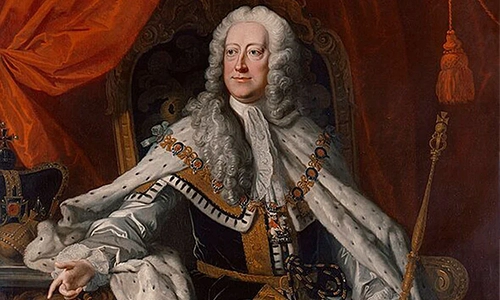
We can thank King George II for this brilliant life hack. Back in 1748, King George was facing a dilemma. He was born in November. If you think April in England is unpredictable, November is downright freezing.
George wanted a massive, spectacular public celebration to mark another year of his life and reign, but he knew his subjects would freeze their royal subjects off if they tried to party in the late autumn chill. His solution? He tied his public birthday celebration to the annual summer military parade. Just like that, a tradition was forged. Ever since King George II, any British monarch with the misfortune of being born in a chilly month has been granted the absolute luxury of a summer “do” alongside their actual birthday.
What is Trooping the Color?
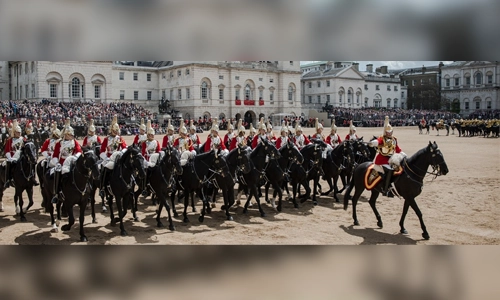
You can’t talk about the royal double-birthday without talking about the party itself. The official June birthday is marked by the legendary Trooping the color parade.
This isn’t just a casual stroll down the mall. Trooping the color is a massive military flex featuring over 1,400 parading soldiers, 200 horses, and 400 musicians coming together in a perfectly synchronized display of pomp and circumstance. The “color” refers to the regimental flags of the British Army, which were historically “trooped” (paraded) down the ranks so that every soldier could recognize their battalion’s flag in the chaos of battle.
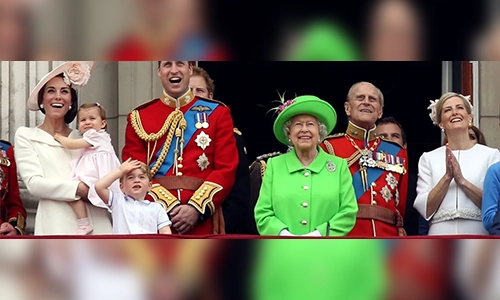
During Queen Elizabeth’s reign, the June event always concluded with the entire royal family cramming onto the iconic Buckingham Palace balcony. From there, they would watch a roaring flypast by the Royal Air Force, complete with jets leaving streams of red, white, and blue smoke in their wake.
Did Queen Elizabeth Actually Celebrate Twice?
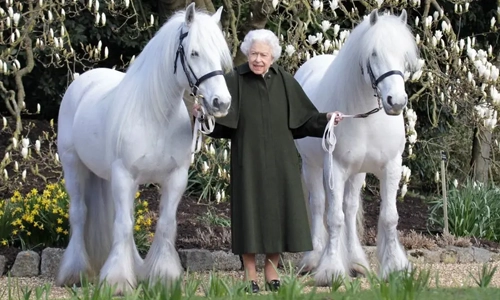
Yes, though the vibe of each party was completely different.
On her actual birthday (April 21), Queen Elizabeth usually kept things incredibly low-key. There were no massive parades or public speeches. Instead, she spent the day privately with her family. However, the military didn’t just let the day slide. Her real birthday was traditionally marked by gun salutes at high noon: a 41-gun salute in Hyde Park, a 21-gun salute in Windsor Great Park, and a 62-gun salute at the Tower of London. (Because nothing says “Happy Birthday, Queen” like heavy artillery).
Then, when June rolled around, it was time to put on the crown and wave to the masses. The June birthday was for the public, the tourism industry, and the history books.
Will King Charles III Have Two Birthdays?
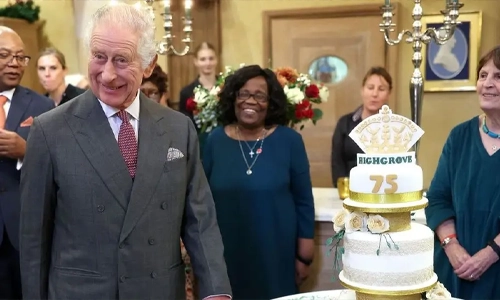
Yes, the ultimate birthday life hack lives on! King Charles III was born on November 14, 1948. Since November still isn’t renowned for its balmy, parade-friendly weather in the UK, King Charles has kept the tradition alive. He celebrates his actual birthday privately in November and enjoys his Official Birthday celebration at Trooping the color every June.
So, the next time someone asks you about royal trivia, you can confidently tell them that the British monarchy’s most famous scheduling quirk isn’t about greed or ego—it’s just a healthy respect for meteorology.
People Also Ask (FAQ)
Does every British monarch get two birthdays?
Only if their real birthday falls in a colder month. If a future monarch is born in June or July, they will likely stick to just one summer celebration.
What gifts did the Queen get for her birthday?
While family gifts were private, official ones included rare jewelry, historic artifacts, and bizarre live animals—like a baby elephant, horses, and even a sloth!
Does anyone else in the world get an “Official” birthday?
Yes! Several Commonwealth nations, including Australia, New Zealand, and Canada, observe the monarch’s official birthday as a public bank holiday.
Ultimately, the British monarchy’s double-birthday tradition isn’t an act of royal ego—it’s a centuries-old masterclass in outsmarting local weather. The royals essentially looked at the gloomy UK forecast and decided to rain-check their own births!