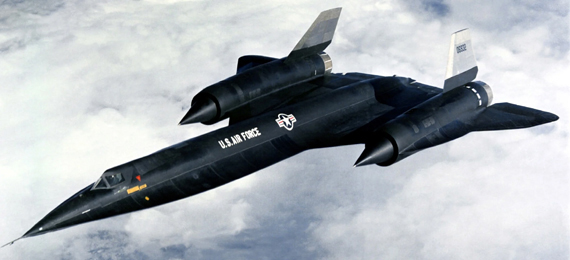
Think you know everything about the SR-71 Blackbird, the fastest and most mysterious aircraft ever built? From top-secret missions to record-breaking speeds, the Blackbird has fascinated aviation buffs, military historians, and tech geeks alike. But how much do you really know about this Cold War icon?
Test your knowledge with this 10-question quiz based on fascinating facts about the SR-71 Blackbird. Buckle up — it’s time to take flight into the world of spy planes and supersonic speed!
Who designed the SR-71 Blackbird?
- A. Kelly Johnson
- B. Clarence L. “Ben” Rich
- C. Clarence “Kelly” Johnson
- D. Burt Rutan
I. Design and Development of the SR-71
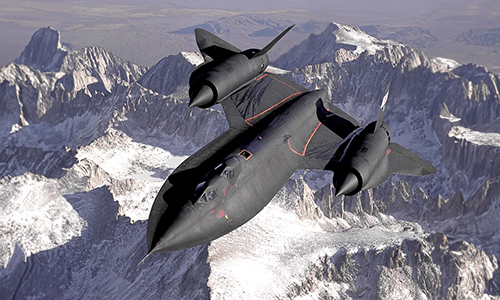
- Designed by Clarence “Kelly” Johnson of Lockheed’s Skunk Works division.
- Developed as a successor to the U-2 spy plane.
- The design emphasized speed and altitude to evade detection.
- Titanium alloy used extensively due to high thermal stress.
- First flight took place on December 22, 1964.
II. Who Owned, Built, and Maintained the SR-71
- Operated exclusively by the United States Air Force (USAF).
- Built by Lockheed Corporation.
- Maintenance was done by a select team trained specifically for the SR-71.
- Spare parts often had to be custom-built due to its specialized design.
III. Speed and Altitude Records
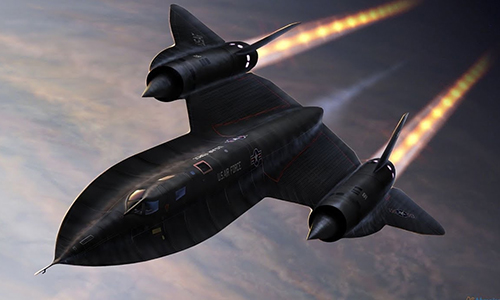
- Could fly at speeds over Mach 3.3 (approx. 2,200+ mph).
- Holds the world record for fastest air-breathing manned aircraft.
- Operational altitude: over 85,000 feet.
- Could cross continents in just a few hours.
IV. Stealth and Surveillance Capabilities
- First operational aircraft to incorporate stealth features.
- Radar cross-section minimized by design and special paint.
- Equipped with advanced cameras and sensors for reconnaissance.
- Could scan 100,000 square miles in an hour.
V. Fuel and Engine Innovations
- Used a unique fuel: JP-7 jet fuel, highly stable at high temperatures.
- Pratt & Whitney J58 engines could transition between turbojet and ramjet.
- The plane leaked fuel on the ground—it was designed to seal mid-flight due to thermal expansion.
VI. Mission History and Achievements
- Never shot down or hit by enemy fire during its missions.
- Conducted surveillance over Vietnam, the Middle East, and North Korea.
- Played a critical role during the Cold War.
- Total of 3,551 operational sorties flown.
VII. Secret Technologies and Engineering Marvels
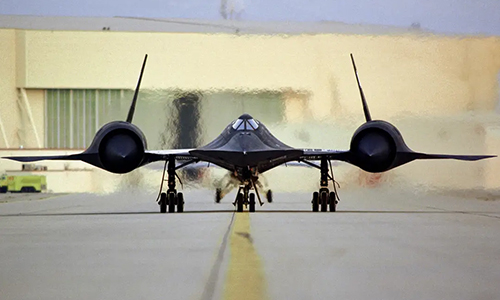
- Engine inlets had variable geometry spikes to manage airflow.
- Used cesium-based fuel additives to mask engine exhaust signature.
- Pilots wore pressure suits similar to those used by astronauts.
- The plane grew several inches during flight due to heat expansion.
VIII. Pilots and Training
- Pilots required rigorous high-altitude and high-speed flight training.
- Only 86 pilots were ever qualified to fly the SR-71.
- Special flight suits and helmets were custom-made.
- Pilots needed to undergo simulated emergency re-entry training.
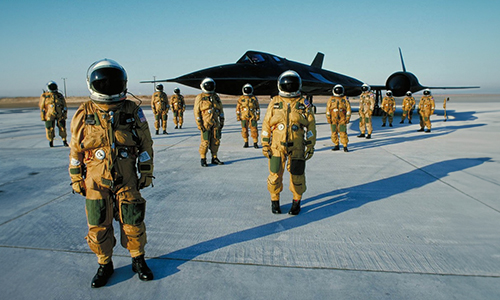
IX. Retirement and Legacy
- Officially retired in 1998, though flown by NASA until 1999.
- Replaced by satellites and later unmanned aerial vehicles (UAVs).
- Displayed in museums like the Smithsonian and the Air Force Museum.
- Still holds fascination for aviation enthusiasts and military historians.
X. Conspiracy Theories and Public Fascination
- Many believe the SR-71 inspired secret aircraft like the rumored “Aurora.”
- Often featured in films, games, and pop culture (e.g., Transformers).
- Its speed and mystery fuel UFO theories.
- Despite its age, no plane has fully matched its combination of speed, stealth, and altitude.
Surprised? We promised 10 facts but delivered 40 fascinating facts about the Blackbird, also known as Habu! Hope you liked it. Now, here are a few interesting questions answered
1. What are some mind-blowing facts about the SR-71 Blackbird?
The SR-71 could fly over Mach 3.3, reach altitudes above 85,000 feet, and was never shot down. It leaked fuel on the ground, grew in length mid-air, and could scan 100,000 square miles in an hour.
2. Why is the SR-71 Blackbird considered the fastest jet ever?
Thanks to its powerful J58 engines and aerodynamic design, the SR-71 reached speeds over 2,200 mph, making it the fastest air-breathing manned aircraft in history.
3. What made the SR-71 Blackbird stealthy?
It used radar-absorbing paint, a slender design, and recessed engines to reduce its radar cross-section, making it one of the earliest aircraft to incorporate stealth technology.
4. Who designed the SR-71 Blackbird and why?
The SR-71 was designed by Kelly Johnson at Lockheed’s Skunk Works to replace the U-2 and provide high-altitude, high-speed reconnaissance during the Cold War.
5. What kind of fuel did the SR-71 Blackbird use?
The SR-71 used JP-7 jet fuel, specially developed to withstand the extreme heat generated during high-speed flight without vaporizing or combusting prematurely.
6. How did the SR-71 Blackbird avoid being shot down?
Its incredible speed, high altitude, and quick evasive capabilities made it nearly untouchable. Surface-to-air missiles couldn’t reach it before it flew out of range.
7. How many SR-71 Blackbirds were built?
A total of 32 SR-71 Blackbirds were built. Of these, 12 were lost in accidents, but none were lost to enemy fire.
8. Why was the SR-71 Blackbird retired?
It was retired due to high operational costs, the rise of satellite surveillance, and the development of advanced unmanned aerial vehicles (UAVs) that could perform similar missions.
9. Where can I see the SR-71 Blackbird today?
You can find preserved SR-71 Blackbirds in museums across the U.S., including the Smithsonian National Air and Space Museum, the U.S. Air Force Museum, and NASA Armstrong Flight Research Center.
10. Did the SR-71 Blackbird influence future aircraft designs?
Yes. Its stealth, speed, and engine technology influenced both military and space exploration designs. It continues to inspire both aviation and sci-fi communities.
11. When was the SR-71 Blackbird first used?
The SR-71 made its first flight on December 22, 1964. It officially entered service with the U.S. Air Force in January 1966 for strategic reconnaissance missions during the Cold War.
12. When was the SR-71 Blackbird last used by the U.S. Air Force?
The SR-71 was officially retired from U.S. Air Force service in 1998, with its final flight occurring on October 9, 1999, during a NASA test mission.
13. Why did the SR-71 Blackbird get retired more than once?
It was first retired in 1990, then briefly reactivated between 1995–1998 due to its unmatched capabilities. High operating costs and advancing satellite technology led to its final retirement.
14. Did NASA use the SR-71 after the military retired it?
Yes, NASA used two SR-71 aircraft for high-speed, high-altitude research flights from 1991 to 1999, contributing to aerodynamics and propulsion studies.