
Have you ever wondered how the tools of our favorite games came to be? From humble beginnings to modern marvels, sports equipment has transformed drastically over time. Whether it’s the perfectly dimpled golf ball or the high-tech tennis racket, each piece of gear has a story— some are downright hilarious. Let’s dive into the fascinating world of sports equipment, where practicality meets innovation and a touch of humor.
Fascinating Facts About Iconic Sports Equipment
Football (Soccer Ball): From Pig Bladders to Precision
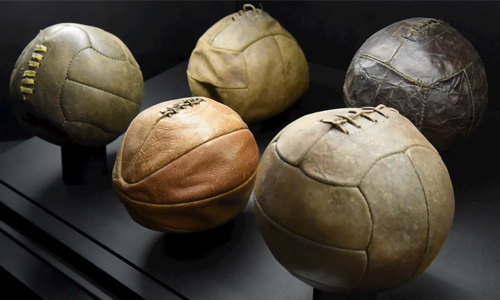
Did you know that early soccer balls were made from inflated pig bladders? While effective, they weren’t exactly durable—or sanitary. Modern soccer balls are now precision-engineered, featuring hexagonal panels and synthetic materials for optimal aerodynamics.
What material were the earliest football helmets made of?
- A. Leather
- B. Plastic
- C. Metal
- D. Fiberglass
Tennis Rackets: The Curious Case of Cat Gut Strings
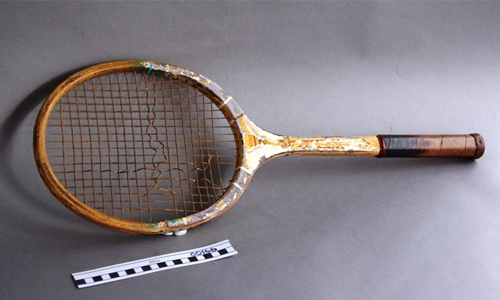
Before synthetic strings took over, tennis rackets were strung with “cat gut”—which, thankfully, came from sheep intestines, not actual cats. These strings offered superior elasticity and control, proving that innovation sometimes has bizarre origins.
Baseball Gloves: From Mockery to Must-Have

When baseball players first started wearing gloves in the 1800s, they were ridiculed for being “soft.” Today, gloves are a non-negotiable part of the game, featuring padded leather for protection and precision.
Basketball Hoops: Peach Baskets to High-Tech Rims
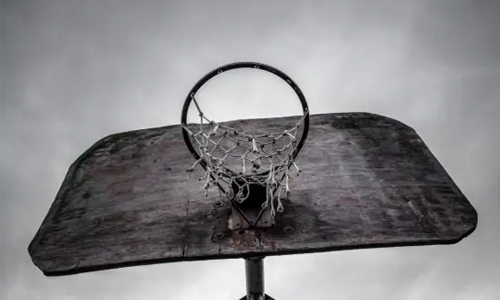
The first basketball hoops were literal peach baskets, and players had to fetch the ball manually after every shot. Imagine the cardio! Thankfully, open-bottom nets and spring-loaded rims have since replaced them.
Golf Balls: Feather-Stuffed to Dimpled Marvels
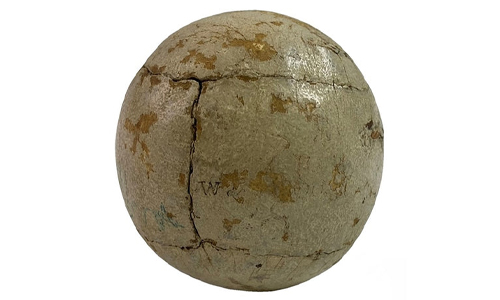
Golf balls have come a long way from being stuffed with goose feathers. Those dimples you see? They’re not just for style—they help the ball fly farther and straighter by reducing air resistance.
The Science Behind Sports Equipment
Why Dimpled Golf Balls Fly Further
The dimples on a golf ball create tiny pockets of air, reducing drag and allowing the ball to travel greater distances. This scientific breakthrough turned the game into an art.
The Role of Materials in Modern Helmets
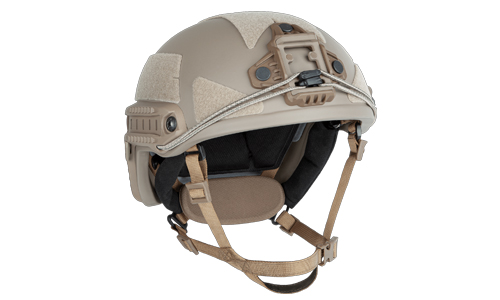
Helmets today use advanced polymers and shock-absorbing foams to protect athletes. From football to cycling, these designs save lives and reduce injuries without compromising performance.
Aerodynamics in Football and Rugby Balls
Have you ever wondered why footballs and rugby balls are shaped differently? The design isn’t just aesthetic—it’s all about how they move through the air. Rugby balls’ oval shape makes them easier to handle, while footballs’ pointed ends optimize passing.
Sports Equipment and Safety
How Helmets Revolutionized Contact Sports
In the early days of American football, players wore leather caps with little to no protection. Today’s helmets are engineering marvels equipped with sensors to monitor impact and reduce concussions. Modern football helmets, often produced by sports equipment made in the USA, feature multi-layered padding, impact-absorbing foam, and even built-in sensors to monitor head impact.
Padding and Guards: Silent Protectors
Whether it’s shin guards in soccer or chest protectors in baseball, these often-overlooked pieces of equipment play a crucial role in keeping athletes safe from injury.
The Science of Shoe Design: Supporting Athletes
Sports shoes aren’t just stylish but designed to support specific movements. From cleats for grip to cushioned soles for impact absorption, the right shoes can make or break performance.
Cultural Significance of Sports Equipment
The Basketball Hoop: More Than a Game

The basketball hoop has become a global symbol of teamwork, perseverance, and community. Its iconic shape is instantly recognizable, whether in a professional arena or a neighborhood court.
Cricket Bats in Global Sports Culture
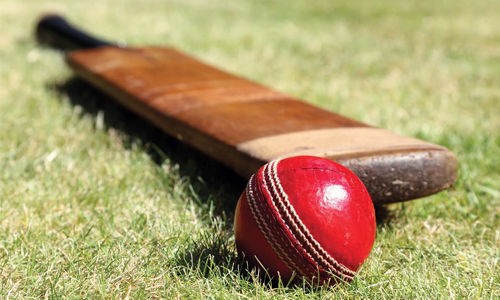
Cricket bats have a rich history, evolving from tree branches to handcrafted willow marvels. In many countries, they’re not just tools but symbols of heritage.
Football as a Symbol of Unity
A simple football can unite communities, bridge cultures, and create memories. Its universal appeal makes it more than just a piece of equipment.
Unusual Materials Used in Early Sports Equipment
Frozen Cow Dung for Hockey Pucks

Believe it or not, early hockey players used frozen cow dung as pucks. Thankfully, today’s vulcanized rubber pucks are far more pleasant to handle.
Feather-Stuffed Golf Balls
Known as “featheries,” early golf balls were made by stuffing goose feathers into leather casings. These balls were expensive and fragile—talk about high stakes!
Animal Intestines in Tennis Strings
While “cat gut” is a misnomer, indeed, sheep intestines were once the gold standard for tennis strings. They provided excellent tension and elasticity, proving that nature can outdo technology.
Sports Equipment in the Digital Age
In the digital era, sports equipment has transcended its traditional role and evolved into cutting-edge tools that enhance performance, provide insights, and entertain. Technology integration into sports gear has revolutionized how athletes train, compete, and recover.
Smart Equipment
From tennis rackets that measure swing speed to golf clubs with built-in sensors, smart gear provides real-time feedback on performance. This data-driven approach allows athletes to fine-tune their techniques and achieve better results.
Wearable Technology
Devices like fitness trackers, heart rate monitors, and GPS-enabled shoes are now a staple for professionals and enthusiasts. These gadgets track metrics like distance and calories, analyze fatigue levels, and suggest optimal recovery times.
Virtual and Augmented Reality
VR headsets are changing athletes’ training, offering simulated environments for practicing tactics and techniques. For example, basketball players can refine their shooting accuracy with virtual defenders, while football quarterbacks can practice playbooks without needing a full team on the field.
Interactive Apps
Apps connected to sports equipment let users challenge friends, join virtual competitions, or follow guided training programs. Smart treadmills, for instance, can simulate terrains and track progress, making workouts more engaging.
E-sports Gear

With the rise of competitive gaming, peripherals like high-performance controllers and headsets are considered sports equipment. These tools enhance precision and reaction time, which are crucial for success in e-sports.
In the digital age, sports gear is no longer just about utility—it’s about creating a comprehensive ecosystem that merges physical activity with cutting-edge technology.
DIY Sports Equipment: Can You Make Your Own?
DIY sports equipment can be an affordable, eco-friendly, and fun project. Here’s how to channel your inner MacGyver and build your gear,
Homemade Soccer Goals
PVC pipes, netting, and zip ties can form a functional and durable goal for backyard games. It’s an inexpensive alternative to store-bought options and customizable to your space.
DIY Dumbbells
Fill empty water bottles, milk jugs, or buckets with sand, concrete, or old coins. Attach sturdy handles, and you have budget-friendly weights for your home gym.
Tennis Ball Slingshot
With a few elastic bands, a piece of sturdy cloth, and some wood for the frame, you can make a slingshot to practice tennis serves or play fetch with your dog.
Custom Skateboards
You can design a skateboard that reflects your style using old decks, grip tape, and repurposed wheels. Adding your artwork to the deck makes it one-of-a-kind.
Cardboard Archery Targets
Reuse old cardboard boxes to create targets for archery or dart practice. Paint bullseyes or fun designs for added flair.
Jump Ropes from Recycled Materials
Old climbing ropes, cords, or even strips of sturdy fabric can be repurposed into functional jump ropes. For a polished touch, add a pair of smooth wooden handles.
DIY sports equipment isn’t just about saving money—it’s also a creative way to upcycle materials, reduce waste, and personalize your gear. Whether for a serious workout or fun, these projects allow you to connect with your favorite sports on a whole new level.
Sports and equipment have a fascinating backstory, blending history, science, and culture into every piece. Whether it’s the high-tech helmets designed for modern safety or the quirky origins of golf balls shaped by trial and error, these tools are more than just game essentials—they’re a testament to human creativity and evolution. From ancient civilizations crafting the first rudimentary sports gear to today’s cutting-edge designs, sports and equipment highlight the ever-evolving relationship between athletes and technology. As sports grow in popularity and complexity, so will the innovation behind the gear that makes them possible.