Imagine walking into a pharmacy in 1834 and asking the doctor for help with your stomach problems. He reaches behind the counter, pulls out a bottle, and hands you… ketchup. Not as a snack, but as prescription medicine. You’d pay the equivalent of $50 today for a small bottle of what we now squirt on hot dogs.
This isn’t some weird historical joke—this actually happened for over 20 years in America!
Here’s what’s going to absolutely shock you: Ketchup was one of the most popular medicines in the 1830s, marketed as a miracle cure that could fix everything from indigestion to scurvy. Doctors genuinely prescribed it, patients lined up to buy it, and millions of people believed ketchup could save their lives.
Which Condiment Was Used as Medicine for Indigestion?
- A. Mayonnaise
- B. Ketchup
- C. Ranch Sauce
- D. Mustard Sauce
The Unbelievable Origin: How Ketchup Became “Medicine”
Meet the mastermind behind medicinal ketchup: Dr. John Cook Bennett, an Ohio physician who, in 1834, made the most outrageous medical claim in American history.
Bennett’s shocking announcement: Tomatoes could cure practically everything—diarrhea, indigestion, rheumatism, and even jaundice. But here’s the kicker: he claimed concentrated tomato extract (a.k.a. ketchup) was even more powerful than raw tomatoes.
The “Scientific” Theory Behind It
Bennett’s medical reasoning (which sounds absolutely wild today):
- Tomatoes contained “powerful agents” that could purify the blood
- The concentration process made these agents stronger
- Ketchup’s thick consistency meant it would “coat and heal” the stomach
- The vinegar and spices added additional medicinal properties
Plot twist: Bennett had zero scientific evidence for any of this. He literally just decided tomatoes were medicine and convinced everyone else!
The Marketing Genius
Bennett wasn’t just a doctor—he was a marketing mastermind:
- Published medical papers in respected journals
- Gave lectures to other physicians nationwide
- Created official-sounding medical terminology like “tomato pills” and “lycopersicum” (fancy name for tomatoes)
- Partnered with manufacturers to mass-produce medicinal ketchup
The result: Within months, ketchup went from condiment to cure-all, and Bennett became rich and famous.
Why Was Ketchup Used as Medicine?
The 1830s were a medical nightmare:
- No FDA regulations existed—anyone could claim anything was medicine
- Germ theory hadn’t been discovered yet—doctors had no clue what actually caused diseases
- “Heroic medicine” dominated—treatments like bloodletting and mercury pills were common
- People were desperate for gentler alternatives to brutal medical practices
Ketchup Seemed “Scientific”
Why ketchup convinced everyone:
- It was processed and concentrated (seemed advanced for the time)
- Contained multiple ingredients (vinegar, spices, tomatoes—surely one of them was medicinal!)
- Had a medicine-like consistency (thick, syrupy, serious-looking)
- Tasted strong (people believed effective medicine had to taste powerful)
Tomatoes had a mysterious reputation:
- European aristocrats got sick from eating tomatoes (actually lead poisoning from pewter plates, but nobody knew that)
- Some cultures considered them poisonous while others called them “love apples”
- The contradiction made them seem magical—dangerous yet potentially healing
Bennett exploited this perfectly: He positioned ketchup as the “safe way” to get tomatoes’ mysterious powers.
How Was Ketchup Used as Medicine?
The Original “Tomato Pills”
Bennett’s first invention wasn’t liquid ketchup—it was tomato pills:
- Concentrated tomato extract formed into small, hard tablets
- Patients took 2-3 pills with water, three times daily
- Each pill contained the equivalent of several tomatoes
- Marketing claimed one pill was more powerful than eating a pound of fresh tomatoes
Liquid Ketchup Prescriptions
The liquid version came later:
- Doctors prescribed specific doses (usually 1-2 tablespoons, twice daily)
- Patients mixed it with water to make it more palatable
- Some physicians recommended taking it straight for “maximum effectiveness”
- Different “strengths” were available depending on the condition
The Treatment Schedule
Medical ketchup wasn’t casual—it had strict protocols:
For indigestion: 1 tablespoon before each meal For “blood purification”: 2 tablespoons every morning on an empty stomach
For rheumatism: 1 tablespoon mixed with warm water, three times daily For scurvy prevention: Daily doses throughout winter months
Special Medical Formulations
Pharmaceutical companies created “enhanced” versions:
- “Dr. Miles’ Compound Tomato Pills” (contained additional herbs)
- “Concentrated Essence of Tomato” (super-thick ketchup marketed to doctors)
- “Lycopersicum Pills” (fancy Latin name for tomato tablets)
- “Anti-Dyspeptic Tomato Compound” (specifically for stomach problems)
When Did They Stop Selling Ketchup as Medicine?
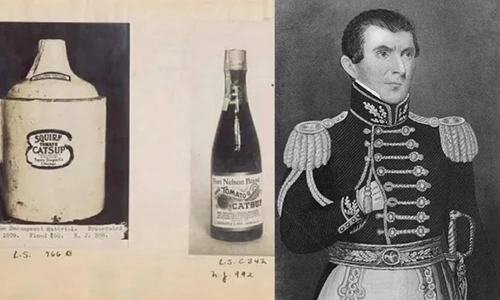
The Beginning of the End: 1850s Investigations
The medical ketchup empire started crumbling when real doctors began asking uncomfortable questions:
- No patients were actually getting better from serious conditions
- Multiple deaths occurred from people avoiding real treatment while taking ketchup
- Chemical analysis revealed ketchup contained nothing special medicinally
- European physicians mocked American “tomato medicine” as quackery
The Devastating Exposé of 1858
Dr. Amariah Brigham published a scathing report that destroyed ketchup’s medical reputation:
- “No scientific basis whatsoever” for medicinal claims
- Bennett’s “research” was completely fabricated
- Chemical tests proved ketchup was nutritionally identical to other vegetables
- Patient testimonials were either fake or placebo effects
The Final Nail: Civil War Medical Standards
The American Civil War (1861-1865) revolutionized medicine:
- Army surgeons demanded evidence-based treatments for wounded soldiers
- Medical schools began requiring actual scientific training
- Government regulations started controlling medical claims
- Ketchup was officially removed from military medical supplies in 1862
By 1870, selling ketchup as medicine was considered fraud in most states.
Was Ketchup Invented by a Doctor?
- Ketchup existed centuries before Bennett (originally from Asia as fermented fish sauce)
- Tomato ketchup was already popular as a condiment in America by the 1800s
- Bennett didn’t invent ketchup—he just claimed it was medicine
- The medicinal marketing lasted only about 20 years (1834-1855)
Dr. Bennett’s Real Impact
What Bennett actually “invented”:
- The first mass-marketed health food scam in American history
- Tomato pills and concentrated extracts for medical use
- The template for supplement marketing that still exists today
- Medical terminology that made ketchup sound scientific
The Ironic Legacy
Plot twist: Bennett accidentally helped legitimize ketchup as food. Before his medicinal claims, many Americans were still suspicious of tomatoes. His marketing convinced people tomatoes were safe to eat—just not for the reasons he claimed!
Do Doctors Prescribe Ketchup Today?
Absolutely Not!
- No peer-reviewed studies support any medicinal benefits
- FDA regulations prevent making medical claims about food products
- Evidence-based medicine requires actual proof of effectiveness
- Ketchup’s high sugar and sodium content makes it medically problematic
What Modern Medicine Says
- Contains lycopene (an antioxidant found in tomatoes) but in very small amounts
- High sodium content can worsen hypertension and heart conditions
- Added sugars contribute to obesity and diabetes risk
- Processed nature removes most beneficial nutrients from original tomatoes
The Nutrition Reality Check
Ketchup’s actual nutritional profile (per tablespoon):
- 15 calories (mostly from sugar)
- 4 grams sugar (nearly 1 teaspoon)
- 190mg sodium (8% of daily recommended intake)
- Minimal vitamins despite being made from tomatoes
Medical verdict: Ketchup is a condiment, not a health food.
What Are the Bad Effects of Eating Ketchup Now?
- One tablespoon of ketchup = nearly 1 teaspoon of sugar
- Average person uses 2-3 tablespoons per meal
- That’s 2-3 teaspoons of sugar just from condiment
- Annual ketchup consumption adds up to pounds of extra sugar
Sodium Overload Concerns
The salt content is staggering:
- Just 3 tablespoons = 570mg sodium (25% of daily limit)
- Combined with processed foods = sodium overdose
- Linked to high blood pressure, heart disease, and stroke
- Especially dangerous for people with existing cardiovascular issues
Hidden Chemical Additives
- High fructose corn syrup (linked to obesity and diabetes)
- Preservatives like sodium benzoate
- Artificial colors and flavor enhancers
- Stabilizers and emulsifiers for shelf life
The Ironic Health Flip
The ultimate irony: While 1830s doctors prescribed ketchup as medicine, modern doctors often advise limiting ketchup consumption due to its contribution to obesity, diabetes, and heart disease.
Is There Any Country Still Using Ketchup as Medicine?
Not Really, But…
No country’s official medical system endorses ketchup as medicine, but there are some fascinating exceptions:
Traditional Medicine Holdouts
Some folk medicine traditions still reference tomato-based remedies:
- Certain rural areas of Mexico use homemade tomato paste for stomach issues
- Parts of Eastern Europe believe concentrated tomato juice helps with digestion
- Some Ayurvedic practitioners include tomatoes in digestive remedies (but not ketchup specifically)
The Lycopene Connection
Modern research on lycopene (found in tomatoes) shows:
- Potential benefits for prostate health and cancer prevention
- Antioxidant properties that may reduce inflammation
- Better absorbed when tomatoes are cooked (which ketchup is)
However: The amounts in ketchup are minimal, and the sugar/sodium negates any potential benefits.
Supplement Industry Echoes
Interestingly, the supplement industry has created:
- Lycopene pills (essentially modern “tomato pills”)
- Tomato extract supplements
- Antioxidant blends featuring tomato compounds
This is basically Bennett’s tomato pill scam, but with modern marketing and some actual research behind the antioxidant claims.
What Was the Other Name of Ketchup Used for Medicine?
The Official Medical Name: “Lycopersicum”
- “Lycopersicum esculentum” – the scientific name for tomatoes he used in medical papers
- “Compound Extract of Lycopersicum” – fancy name for medicinal ketchup
- “Concentrated Tomato Pills” – the tablet form
- “Anti-Dyspeptic Tomato Remedy” – marketed for stomach problems
Other Historical Medical Names
Various manufacturers used:
- “Dr. Miles’ Tomato Compound”
- “Essence of Tomato for Medical Use”
- “Concentrated Lycopersicum Extract”
- “Medicinal Tomato Syrup”
- “Thompson’s Compound Tomato Pills”
Medical ketchup advertisements used terms like:
- “Sovereign remedy” (cure-all)
- “Blood purifier” (detoxification claims)
- “Digestive cordial” (stomach medicine)
- “Anti-bilious compound” (liver treatment)
Fun fact: Some of these terms are still used in modern supplement marketing—the playbook hasn’t changed much!
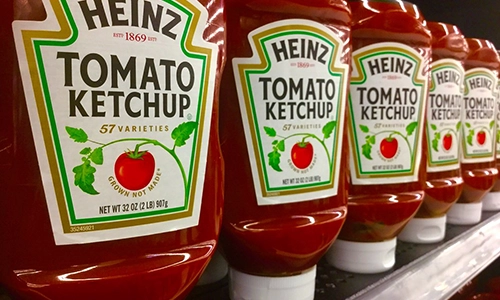
Does Heinz Ketchup Have Medicinal Properties?

Nope!
The Heinz Company has never claimed their ketchup has medicinal properties:
- Founded in 1869 (after the medicinal ketchup craze ended)
- Always marketed as food, never as medicine
- Strict legal compliance prevents any health claims
- Company actively distances itself from historical medicinal claims
What Heinz Ketchup Actually Contains
Ingredient analysis:
- Tomato concentrate (about 148 tomatoes per 14oz bottle)
- Distilled vinegar (for flavor and preservation)
- High fructose corn syrup (sweetener)
- Corn syrup (additional sweetener)
- Salt and natural flavoring
Heinz’s official statement: “Our ketchup is a food product designed for flavor, not health benefits.”
What Is the History of Tomato Pills?
The tomato pill industry was massive:
- Peak sales in 1845: Over 2 million bottles sold
- Average price: $1 per bottle (about $35 today)
- Total market value: Approximately $70 million in today’s money
- Employed thousands of people in manufacturing
The Crash: 1855-1860
The tomato pill empire collapsed when:
- Chemical analysis revealed most pills contained no tomatoes
- Several deaths were linked to contaminated pills
- Medical journals published exposés of the fraud
- Legal prosecutions began for fraudulent medical claims
Frequently Asked Questions About Ketchup as Medicine
Why was ketchup used as medicine in the 1800s?
Dr. John Cook Bennett convinced people that concentrated tomato extract could cure multiple diseases, despite having zero scientific evidence for his claims.
How was ketchup used as medicine back then?
Doctors prescribed specific doses (1-2 tablespoons daily) and pharmaceutical companies sold “tomato pills” containing concentrated ketchup extract.
When did they stop selling ketchup as medicine?
The practice largely ended by 1860 after medical investigations proved the claims were fraudulent and several patient deaths were linked to avoiding real treatment.
Was ketchup invented by a doctor?
No, ketchup existed for centuries before Dr. Bennett. He didn’t invent ketchup—he just falsely claimed it was medicine.
Do doctors prescribe ketchup today?
Absolutely not. Modern medicine has no evidence supporting ketchup’s medicinal benefits, and its high sugar/sodium content makes it medically problematic.
What are the bad effects of eating ketchup now?
High sugar content contributes to obesity and diabetes, while excessive sodium can worsen heart disease and high blood pressure.
Is there any country still using ketchup as medicine?
No official medical systems endorse ketchup as medicine, though some folk remedies still reference tomato-based treatments.
What was the other name of ketchup used for medicine?
Medical ketchup was called “Lycopersicum extract,” “Compound Tomato Pills,” or “Anti-Dyspeptic Tomato Remedy” in pharmaceutical marketing.
Does Heinz ketchup have medicinal properties?
No, Heinz has never claimed medicinal benefits and FDA regulations prevent food companies from making medical claims about condiments.
What is the history of tomato pills?
Tomato pills were the concentrated form of medicinal ketchup, popular from 1834-1860, until exposed as one of America’s first major supplement scams.
Mind blown by medical ketchup history? Share this incredible story with someone who needs to know that condiments were once prescription drugs!