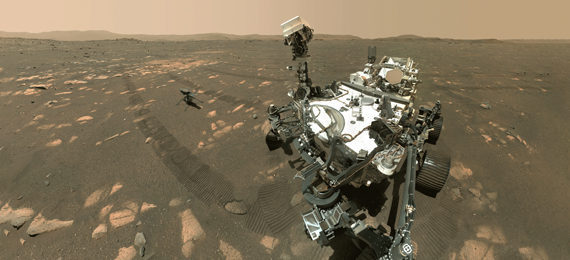
It all started when I looked out my window, saw another day of traffic, another news cycle about how the environment is declining, and I thought to myself: “Why am I still here?” Mars has been calling to me, quietly but persistently, for years. And with every discovery, I feel like I’m ready to pack up, leave Earth’s chaos behind, and join NASA’s Mars Exploration Program. Is it the thin, pinkish atmosphere? The dusty plains that stretch on forever? Or maybe it’s that I could escape Earth’s endless list of disasters. Let’s face it – Earth is overcrowded and over-polluted, and I’m tired of it. Mars, on the other hand, offers a fresh start. It’s just waiting for someone brave enough (or desperate enough) to leap.
The Climate Battle of Mars Vs. Earth
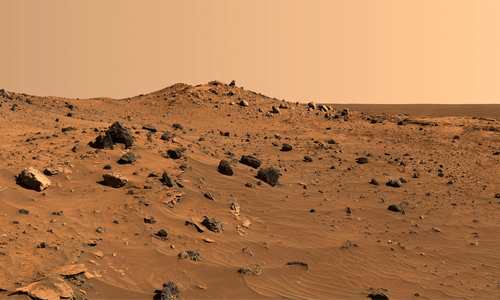
The climate on Earth is only getting worse – and fast. Rising sea levels, extreme weather, droughts, and wildfires make me seriously consider living in a cold desert. Sure, Mars has an average temperature of minus 80 degrees Fahrenheit, but hear me out: at least I know what I’m signing up for. There’s no hidden climate disaster waiting to surprise me. With its thin carbon dioxide atmosphere, it offers a simple deal. It’s cold, dry, and barren. I could get used to that consistency. Earth is like a malfunctioning thermostat, constantly swinging between too hot and too cold. Plus, a lack of liquid water means no floods. I’ll take frozen underground ice over rising sea levels any day!
What Is Mars' Nickname?
- A. The Red Giant
- B. The Blue Planet
- C. The Red Planet
- D. The Dark Star
Was Mars’ Climate Ever Better?

According to NASA, Mars used to have a thicker atmosphere, warmer temperatures, and flowing rivers. Billions of years ago, it had a promising climate—warm, watery, and maybe even hospitable to life. But it lost that charm long ago while Earth is still clinging to the remnants of livability. It is like a quiet, retired planet, free from the hustle and bustle of Earth’s overcrowded ecosystems and unpredictable climate changes.
If you ask me, that’s a perk. Give me a predictable, barren wasteland over an unpredictable, disaster-prone planet any day.
Could Mars Have Supported Life? And Can I Run Away to It Now?

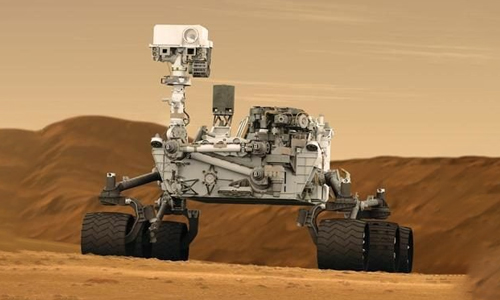
Has life ever existed? That’s the million-dollar question. NASA’s missions, especially with the Curiosity and Perseverance rovers, are obsessed with discovering. They’ve discovered signs that the Red Planet could have supported microbial life billions of years ago. Ancient riverbeds, evidence of lakes, and all that good stuff make it sound like it once had potential. Sure, it’s no tropical paradise, but the fact that life might have once thrived makes me feel a little less crazy about wanting to escape there.
I mean, if microbes had a chance, maybe I would do too, right?
The Atmosphere and Topograph
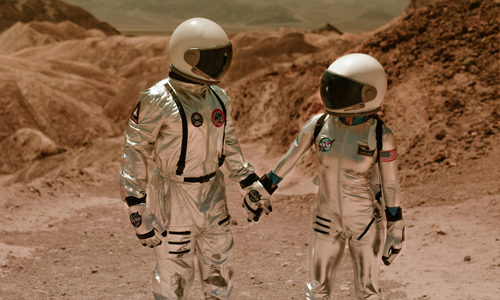
Earth’s atmosphere, with its ever-growing CO2 levels and suffocating pollution, is becoming harder to tolerate. Red planet’s thin atmosphere, while not breathable, at least offers stability. NASA’s Mars Exploration Program is focused on developing technologies like MOXIE, which can produce oxygen from CO2.
As for the topography, the planet’s vast, open plains, towering volcanoes, and gigantic canyons make it feel like an adventurer’s dream. Earth is too crowded for my taste; Red Planet has the space I crave. Plus, there are no mosquitoes or humidity!
Looking for a Perfect Escape From Earthquakes?
Its surface is a red expanse of rocks, craters, and canyons, making it an ideal place to escape. Most importantly, there are no earthquakes or tsunamis, just peace and quiet.
NASA’s Mars missions have shown us that it has the largest volcano in the solar system, Olympus Mons, and the deepest canyon, Valles Marineris. I can already picture myself hiking those vast, dusty plains!
Preparing for Human Exploration of Mars
So, here’s the thing: NASA is getting ready for human exploration of Mars. They’ve been at it for years, studying how humans can survive the long journey and thrive on the Red Planet. With SpaceX pushing for colonization, it feels like now is the time to consider buying a one-way ticket seriously. I could be part of the first wave of Martian settlers, which is oddly comforting. The atmosphere is too thin to breathe, there’s little water, and the radiation is a real problem. But NASA is planning to address those issues, with concepts for habitats, oxygen generation, and food systems that could sustain us.
Challenges of Mars Exploration
The distance from Earth, the radiation, the lack of resources, and the psychological toll of isolation – I get it. But when I compare it to the growing list of problems here, Mars’ challenges seem like a trade-off I’m willing to make. NASA is developing technologies to address these obstacles, from developing radiation-resistant habitats to creating sustainable life support systems. Besides, being on a planet where nobody can tell me what to do sounds pretty appealing.
The Cost of Mars Exploration
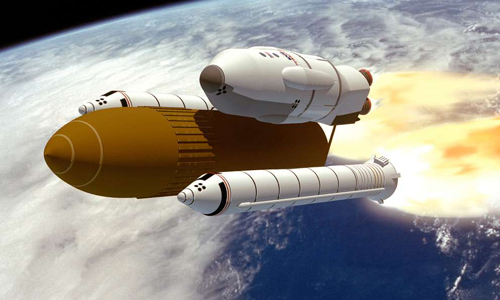
The program costs billions of dollars – around $10 billion for some of the missions. But if you ask me, that’s a small price to pay for the chance to escape reality. Future human missions are going to be costly too, but when I think about what I’m leaving behind, it seems worth it.
Can you put a price on a fresh start?
NASA and private companies like SpaceX invest heavily every year. The plans for human exploration and potential colonization are promising. Maybe they aren’t so far-fetched after all.
Future Plans
NASA’s plans include manned missions as early as the 2030s. They’re developing Artemis, a program to land the first woman and next man on the Moon as a stepping stone for Mars. It is no longer just a distant dream; it’s becoming a real possibility. With continued research, rovers, and orbiters, Mars is ready to be explored in ways we’ve only imagined.
Earth may have been a great home, but the future? M-A-R-S!
What’s the Plan B?
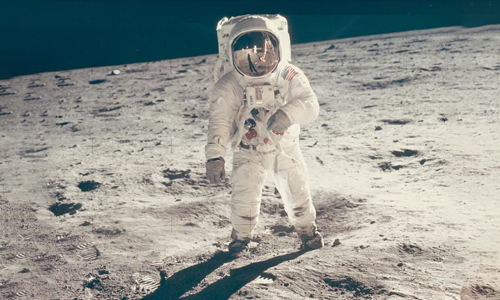
If Mars feels out of reach, the Moon might be the next best thing. NASA’s Artemis program is working hard to land humans back on the Moon, intending to establish a sustainable presence. The Moon offers a unique opportunity: its proximity to Earth (just three days away) makes it more accessible for short-term missions. Sure, it doesn’t have the same mystique as Mars, but it’s a solid starting point for space exploration. Plus, the Moon’s lower gravity could be an excellent testbed for living off-Earth, even if you can’t permanently escape Earth’s problems there.
Frequently Asked Questions Answered
-
Who will go to Mars in 2024?
No specific crew has been confirmed for a Mars mission in 2024, but SpaceX is developing missions aimed at Mars, with crewed missions possibly happening in the late 2030s.
-
Is NASA sending humans to Mars?
NASA aims to send humans by the 2030s as part of their long-term exploration goals, building on the Artemis lunar missions.
-
Who is the first man to land on Mars?
No human has landed on Mars yet. The first human mission is expected in the late 2030s.
-
Which country successfully landed on Mars?
The United States, through NASA, has successfully landed several missions on Mars, including Viking, Curiosity, and Perseverance.
-
Who is SpaceX?
SpaceX is a private aerospace company founded by Elon Musk. Its goal is to make space travel more affordable and enable human colonization of Mars.
-
What is SpaceX’s Mars colonization program?
SpaceX’s Mars colonization program aims to transport humans to Mars using the Starship and plans to establish large-scale settlements.
-
Can humans live on Mars?
Humans cannot live on Mars due to its thin atmosphere and extreme conditions. However, NASA and SpaceX are developing technology to make long-term habitation possible.
-
Which is better, SpaceX or NASA?
NASA focuses on scientific research and exploration, while SpaceX is a private company aiming to revolutionize space travel. Both collaborate and have unique strengths in advancing Mars exploration.
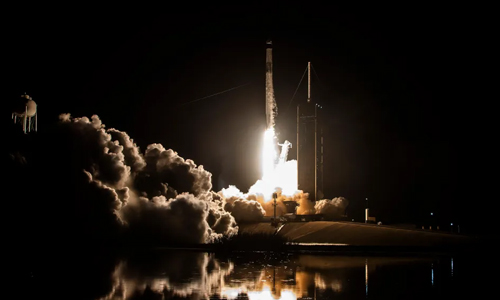
I’ve done my research and weighed the facts, and Mars is looking more and more like the escape I need. The challenges are great, but with NASA’s expertise and humankind’s perseverance, I’m ready to be part of the next great adventure. NASA’s human missions are expected in the 2030s, though the cost for the entire program runs in the billions. So, better start saving if you’re serious about that getaway!
The Mars space program isn’t just for scientists or dreamers—it’s for people like me who are ready for something new.