
Movies and TV shows don’t just entertain us—they shape the way we talk, joke, react, and even express emotions. Some expressions existed long before Hollywood, but it was the power of the screen that turned them into global catchphrases. Others were invented entirely by screenwriters and later adopted into everyday language without people even realizing their cinematic origins.
List of Words and Phrases That Were Popularised by Movies or TV
Let’s deep-dive into everyday words and phrases that were popularised by movies or TV—and the surprising stories behind them.
“I’ll Be Back” — The Terminator (1984)
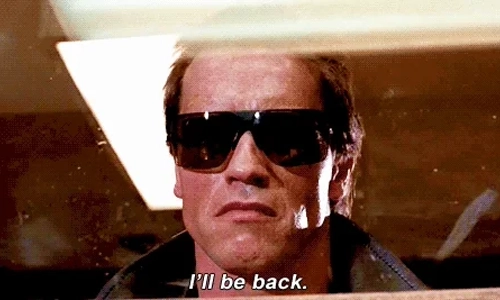
I’ll be back
- A. Predator
- B. Total Recall
- C. The Terminator
- D. RoboCop
Arnold Schwarzenegger’s mechanical monotone transformed this simple sentence into one of the most quoted movie lines of all time. Today it’s used jokingly by friends stepping out for a minute or even in professional settings as a casual promise to return.
“May the Force Be With You” — Star Wars (1977)
Originally a Jedi blessing, this phrase moved far beyond sci-fi circles. It’s now used humorously to wish someone luck before exams, interviews, or any challenging task.
“Who You Gonna Call?” — Ghostbusters (1984)
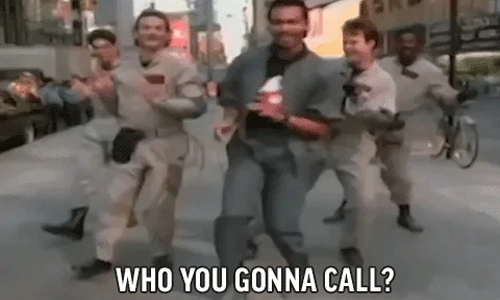
This catchy line from the theme song became a cultural shorthand. People use it when something goes wrong—whether it’s a tech issue, pests, or even a relationship problem.
“Bazinga!” — The Big Bang Theory
Sheldon Cooper’s mischievous catchphrase became shorthand for “Gotcha!” It quickly spread online and into memes, text messages, and pranks.
“Yada Yada Yada” — Seinfeld
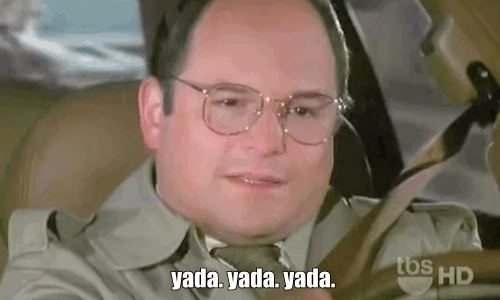
This phrase existed earlier, but Seinfeld made it iconic. It’s now universally used to skip unimportant details in a story.
“Doh!” — The Simpsons
Homer Simpson’s frustrated exclamation became so common that the Oxford English Dictionary officially added it. It’s used to express annoyance at oneself—especially after silly mistakes.
“Honestly, Why So Serious?” — The Dark Knight (2008)
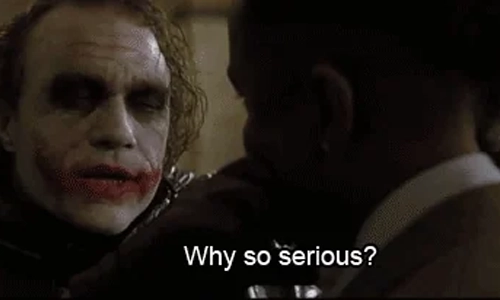
The Joker’s haunting line seeped into everyday language, often used playfully when someone overreacts.
“Winter Is Coming” — Game of Thrones
Originally a Stark family warning, this line is now used to prepare for anything difficult—like tax season, exam season, or even a Monday morning.
“Binge-Watch” — Popularised by Netflix
Although the idea existed earlier, streaming culture made this phrase mainstream. Now it’s a lifestyle term describing watching multiple episodes at once.
“Friend-Zone” — Popularised by Friends (1994)
The term became widely known after Friends portrayed Ross and Rachel’s dynamic. It refers to romantic interest that’s not reciprocated.
“Going Rogue” — Popularised by Star Wars & Politics
Though used earlier, Star Wars and political commentary pushed it into public vocabulary, describing someone acting independently.
“Smelly Cat” — Friends
Not a phrase with literal everyday use, but a pop-culture reference people drop when talking about bad music, odd smells, or quirky humor.
“To Infinity and Beyond!” — Toy Story
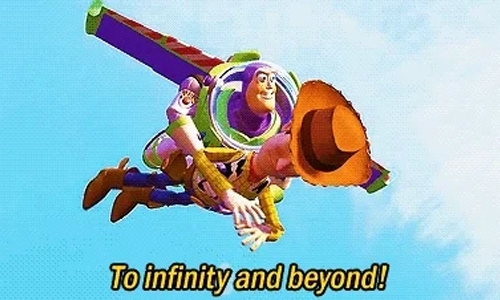
Buzz Lightyear’s dramatic motto is used humorously to express ambition or excitement.
“You Can’t Handle the Truth!” — A Few Good Men
Now used playfully when someone refuses to accept an obvious fact.
“Live Long and Prosper” — Star Trek
Originally Vulcan wisdom, now commonly used to wish someone well—especially among sci-fi fans.
“Beam Me Up, Scotty” — Star Trek
Even though this exact line was never spoken, it became a go-to phrase for wanting to escape an awkward situation.
“Hakuna Matata” — The Lion King
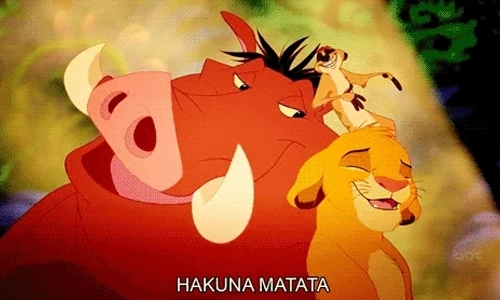
Swahili for “no worries,” this phrase became an international feel-good mantra after the film.
“Suit Up!” — How I Met Your Mother
Barney Stinson’s iconic call to dress your best turned into a real-life motivational phrase—especially for parties and weddings.
“Run, Forrest, Run!” — Forrest Gump
Used jokingly to encourage someone to move quickly—or escape something.
“Show Me the Money!” — Jerry Maguire
A go-to phrase for business, negotiations, or whenever money is involved.
“On Wednesdays We Wear Pink” — Mean Girls
A cult classic line from Regina George’s clique, now used widely to comment on dress codes or themed events.
“I See Dead People” — The Sixth Sense
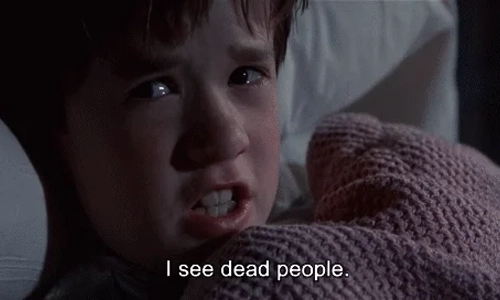
Often quoted humorously in spooky situations or during Halloween.
“You Serious, Clark?” — National Lampoon’s Christmas Vacation
A beloved holiday phrase said sarcastically when someone states the obvious.
Words That Entered Everyday English Through Movies/TV
| Word/Phrase | Originating Movie/ TV Show | Meaning/Context |
| Gaslighting | Gaslight (1944 film, based on a 1938 play) | A form of psychological manipulation where the abuser tries to make the victim question their own reality or sanity. |
| Bucket List | The Bucket List (2007) | A list of things to do before one “kicks the bucket” (dies). The movie’s screenwriter coined and popularized the term. |
| Paparazzi | La Dolce Vita (1960) | The plural for a freelance photographer who relentlessly pursues celebrities. Named after a character in the film, Paparazzo. |
| You’re toast | Ghostbusters (1984) | Slang meaning someone is doomed, finished, or in serious trouble. |
| Catfish | Catfish (2010 documentary) | To deceive or scam someone by creating a fictional online persona, especially in romantic relationships. |
| Twitterpated | Bambi (1942) | Overcome by romantic excitement or smitten. |
| The Dark Side | Star Wars (1977) | Referring to the evil or disturbed aspect of a person or situation. |
| Unobtainium | The Core (2003) / Avatar (2009) | A substance or material that is necessary for a specific design or goal but is physically impossible to obtain. |
| As if! | Clueless (1995) | A phrase used to dismiss or express disbelief about an idea or suggestion. |
| My bad | Clueless (1995) | A modern slang way of saying “my fault” or “excuse me.” |
| Regifting | Seinfeld (1995 episode, “The Label Maker”) | The act of taking a gift you received and giving it to someone else as a new gift. |
| Five-O | Hawaii Five-O (1968) | A slang term for the police or law enforcement. The show’s title referred to Hawaii being the 50th U.S. state. |
| Debbie Downer | Saturday Night Live (2004) | A pessimistic person who consistently spoils the mood by bringing up depressing or gloomy facts. |
| To Google (as a verb) | Buffy the Vampire Slayer (2002 episode, “Selfless”) | To search for information about someone or something on the internet using the Google search engine. |
| Jump the Shark | Happy Days (1977 episode) | An idiom describing the moment a TV show (or any product/entity) has clearly passed its peak and begun a decline in quality. |
| Spam (in the context of junk) | Monty Python’s Flying Circus (1970 sketch) | Unsolicited, often commercial, electronic messages (junk email). Named after a sketch where the canned meat product is unavoidable. |
| Friend Zone | Friends (1994 episode, “The One with the Blackout”) | A platonic relationship between two people where one person has romantic feelings for the other, but the other only views them as a friend. |
| Meh | The Simpsons (1994 episode, “Sideshow Bob Roberts”) | An interjection expressing indifference, boredom, or mild dissatisfaction. |
| Mind Meld | Star Trek (1966) | A fictional telepathic technique, now used in common parlance to describe an intense, deep understanding, or connection between minds. |
| Cowabunga | Howdy Doody (1950s) | An exclamation used to express excitement or delight, later popularized by Teenage Mutant Ninja Turtles. |
FAQ
1. Which everyday phrases came from movies?
Iconic phrases like “I’ll be back,” “May the Force be with you,” and “Show me the money!” all originated from movies.
2. What TV show popularised many modern catchphrases?
Shows like Friends, Seinfeld, The Simpsons, and How I Met Your Mother contributed heavily to everyday vocabulary.
3. Why do movie phrases become popular?
Memorable characters, repetition, humor, and emotional impact help phrases spread into everyday speech.
4. Are some phrases invented solely for movies?
Yes—phrases like “Bazinga!” and “To infinity and beyond!” were created for the screen.
5. What makes a catchphrase stick?
Simplicity, relatability, humor, and timing help it become part of everyday language.