
Almost everyone has experienced it. Your skin suddenly tightens. Tiny bumps rise on your arms. Sometimes it happens in the cold, sometimes during a song, a memory, or a powerful moment you can’t quite explain. So… why do we get goosebumps, especially when there’s no obvious reason?
The answer lives at the intersection of evolution, emotions, and the nervous system, with a few unexpected twists along the way.
What Are Goosebumps, Exactly?
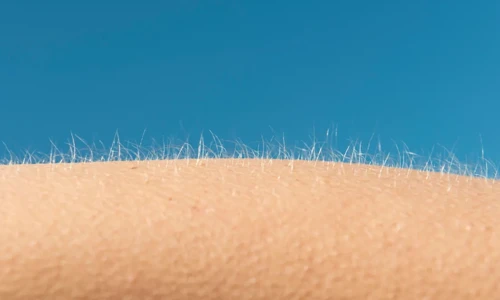
They are officially called piloerection. They occur when tiny muscles at the base of your hair follicles contract, causing the hairs to stand upright and the skin to pucker.
1. Goosebumps Are Also Common in Animals
- A. True
- B. False
This reaction is:
- Automatic
- Controlled by the sympathetic nervous system
- Almost impossible to trigger on purpose
In simple terms, your body reacts before your brain finishes explaining why.
Why Do We Get Goosebumps When It’s Cold?

This is the most common trigger and the easiest to explain.
When your body senses cold:
- Nerves signal tiny muscles under your skin
- Hair stands up to trap heat
- Skin tightens to reduce heat loss
For modern humans, this doesn’t help much. But for our hairy ancestors, it acted like a built-in thermal jacket.
Trivia insight: Goosebumps are a leftover survival feature from mammals with thick fur.
Why Do We Get Goosebumps When Emotional?
This is where things get interesting.
Strong emotions like:
- Awe
- Fear
- Nostalgia
- Deep connection
- Sudden inspiration
can activate the same nervous system response as cold.
That’s why people often ask:
- Why do we get goosebumps when emotional?
- Why do you get goosebumps when you listen to music?
- Why do I get goosebumps when I think of someone?
In these moments, the brain releases dopamine and adrenaline, creating a physical reaction that shows up on the skin.
Music, especially powerful vocals or sudden key changes, is one of the most common emotional goosebump triggers.
What Does It Mean When Someone Gives You Goosebumps?
When another person triggers goosebumps, it’s usually linked to:
- Emotional intensity
- Attraction or chemistry
- A sense of awe or admiration
- Sometimes fear or unease
So what does it mean when someone gives you goosebumps? It means your brain has tagged the moment as important, whether positive or negative.
Your body reacts before you consciously decide how you feel.
Goosebumps But Not Cold: Why Does That Happen?
Many people report:
- Warm rooms
- During calm moments
- No clear trigger
This leads to questions like:
- Why am I getting it for no reason?
- Frequent goosebumps or constant feeling —should I worry?
Possible explanations include:
- Emotional stimulation
- Stress or anxiety
- Sudden memory recall
- Nervous system sensitivity
In most cases, it’s harmless.
Which Part of the Body Often Gets Goosebumps?
It appear most commonly on:
- Arms
- Legs
- Neck
- Shoulders
Some people even experience:
- Goosebumps on the face, which is rarer but still normal
Where they appear depends on nerve sensitivity and the distribution of hair follicles.
What Does Goosebumps Mean Spiritually?

Beyond science, many cultures attach deeper meaning to goosebumps.
Common spiritual interpretations include:
- Heightened awareness
- Emotional or intuitive alignment
- Feeling deeply connected to a moment
- A sense of truth or resonance
While science explains the mechanism, spirituality explains the interpretation.
Is It Bad to Get Goosebumps Often? Should You Consult a Doctor?
Usually, no.
But frequent or constant feelings of goosebumps may need attention if they are:
- Persistent without triggers
- Accompanied by numbness, pain, or weakness
- Linked with anxiety, nerve issues, or hormonal imbalance
Consult a doctor if:
- It happens constantly without emotion or cold
- They come with tingling, dizziness, or muscle problems
Most of the time, though, they are just your nervous system doing its job.
Why Do Humans Still Get Goosebumps Today?
Because evolution edits slowly.
Even though we no longer need fur to survive, the reflex remains. They are a reminder that our bodies still carry ancient instructions, even in modern settings.
They are proof that:
- Emotions are physical
- The brain and skin are deeply connected
- Some reactions exist purely because our ancestors needed them
Frequently Asked Questions
Why do we get goosebumps?
They occur when tiny muscles under the skin contract due to cold, strong emotions, or nervous system responses.
Why do we get goosebumps when listening to music?
Music can trigger emotional peaks that activate the brain’s reward system, causing them.
Can goosebumps happen without feeling cold?
Yes. Emotions, memories, stress, or awe can all cause without cold.
Are goosebumps a sign of attraction?
Sometimes. Goosebumps can occur during emotional or physical attraction, but they are not a guaranteed sign.
Should I worry about frequent goosebumps?
Occasional goosebumps are normal. Persistent or unexplained ones should be discussed with a doctor.
So, why do we get goosebumps? Because the body remembers things the mind hasn’t finished processing yet. Because emotions are louder than words. Because evolution never deletes old code, it just builds on top of it.
Those tiny bumps are your body whispering, “Pay attention. This moment matters.”