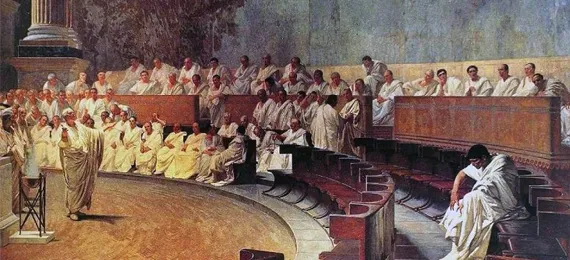
Empires rose, borders vanished, dynasties collapsed — yet some governments simply refused to quit. Long before democracy became a buzzword and constitutions were printed, a few civilizations figured out how to rule, adapt, and survive.
The Oldest Governments in the World are not just history textbook footnotes. Many of them still exist today, quietly carrying traditions that began thousands of years ago. Some evolved into constitutional systems, others kept monarchies alive, and a few survived by mastering the art of reinvention.
Let’s travel back in time and meet the political systems that outlived invasions, revolutions, and even common sense.
Which country has the oldest continuous monarchy in the world?
- A. United Kingdom
- B. China
- C. Japan
- D. Egypt
Japan (Established c. 660 BCE)
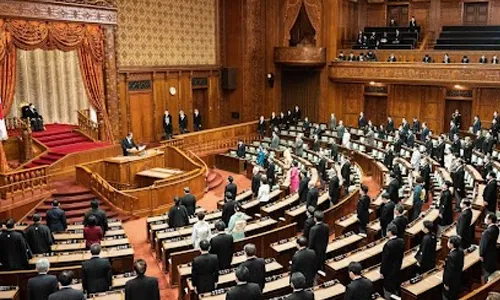
The world’s oldest continuous monarchy
Japan tops almost every list of the Oldest Governments in the World, and for good reason. According to tradition, the Japanese imperial line began in 660 BCE with Emperor Jimmu. What makes Japan extraordinary isn’t just age — it’s continuity.
While power shifted between emperors, shoguns, and modern elected officials, the imperial institution itself never disappeared. Today, Japan operates as a constitutional monarchy, blending ancient symbolism with modern governance.
Fun fact: Japan’s imperial family is considered the oldest hereditary monarchy still in existence.
China (c. 2070 BCE – dynastic governance)
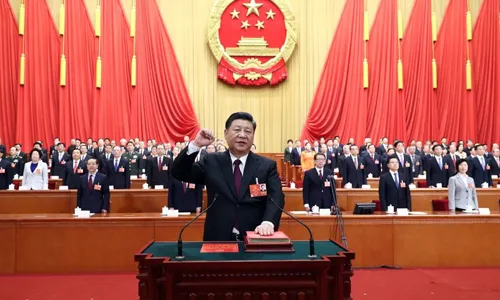
The birthplace of bureaucratic rule
China’s government history reads like a saga. From the Xia and Shang dynasties to imperial rule and eventually a modern state, China pioneered centralized administration long before Europe caught on.
What makes China’s governance is not uninterrupted leadership, but uninterrupted statecraft — taxation systems, civil service exams, legal codes, and bureaucracy existed here thousands of years ago.
Even today’s governance structures echo ancient administrative principles developed during imperial China.
Egypt (c. 3100 BCE)
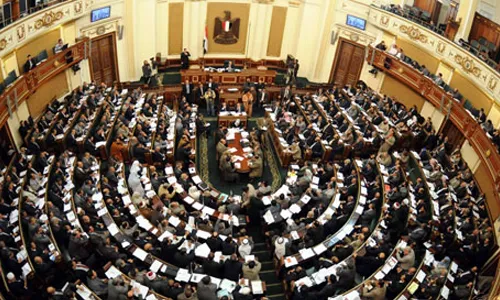
Where gods ruled as kings
Ancient Egypt was one of the first places on Earth where government became formalized. Pharaohs ruled as divine authorities, laws were enforced across vast territories, and administration was shockingly efficient for its time.
While modern Egypt is vastly different, the concept of centralized rule originated here. Bonus trivia: Ancient Egyptian scribes were essentially the first government bureaucrats.
Greece (c. 800 BCE)
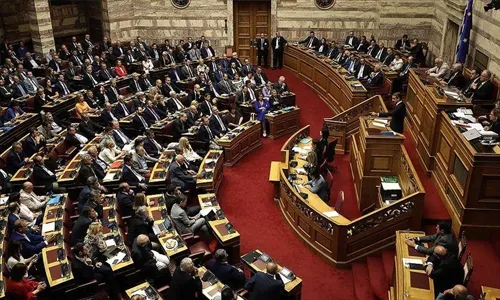
The birthplace of democracy
Ancient Greece didn’t just govern — it experimented. City-states like Athens introduced democracy, while Sparta favored military rule. Although ancient Greek governments collapsed, their political ideas survived and shaped the modern world.
Without Greece, your voting booth might not exist.
Iran (Persia) (c. 550 BCE)
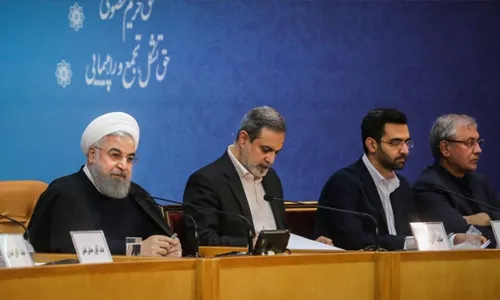
Empire builders with laws and tolerance
The Persian Empire under Cyrus the Great introduced revolutionary ideas: religious tolerance, standardized laws, and human rights concepts. Governance wasn’t just about conquest — it was about administration.
Iran’s modern state evolved from centuries of imperial governance, making Persia one of the most influential early governments in world history.
India (c. 1500 BCE onward)
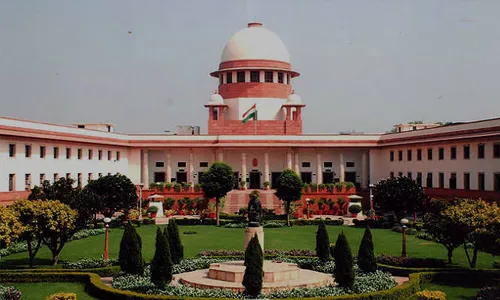
A civilization of evolving governance
India never had a single ancient government — it had many. From Vedic councils and Mauryan administration to Gupta rule and beyond, governance evolved continuously.
Ancient texts discussed law, leadership, taxation, and justice long before many other regions formed states. The Arthashastra reads like a political strategy manual from 300 BCE.
San Marino (301 CE)
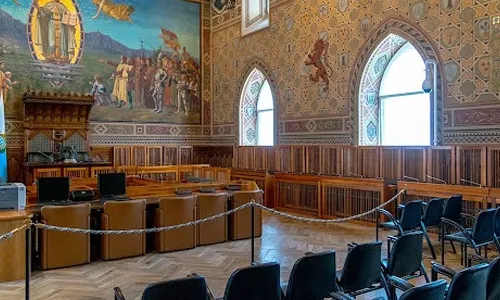
The world’s oldest surviving republic
Tiny but mighty, San Marino claims to be the oldest surviving republic on Earth. Founded in 301 CE, it has maintained a republican form of government for over 1,700 years.
While empires collapsed around it, San Marino quietly survived by staying neutral, adaptable, and very good at minding its own business.
The Vatican (Established 1929, roots far older)
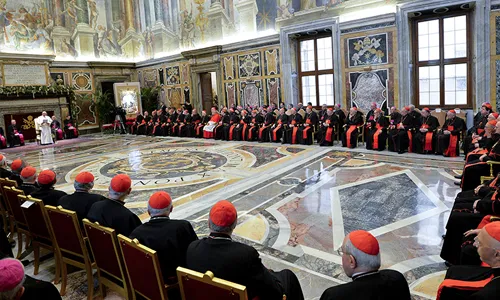
A spiritual government with ancient authority
Although officially formed in 1929, the Vatican’s governing authority dates back nearly two millennia. As a theocratic state led by the Pope, it represents one of the longest-running religious governance systems in history.
It’s small in size but enormous in historical influence and interestingly there are no airports here.
Why Did These Governments Survive?
- Adapted instead of resisting change
- Shifted power structures when needed
- Balanced tradition with reform
- Built legitimacy through culture, religion, or law
What These Ancient Governments Taught the Modern World
Modern constitutions, legal systems, taxation, and bureaucracy all borrow from these ancient models. Democracy, monarchy, republics — none of them are new inventions.
When you vote, pay taxes, or complain about paperwork, you’re participating in systems that began thousands of years ago. And somehow, they’re still standing.