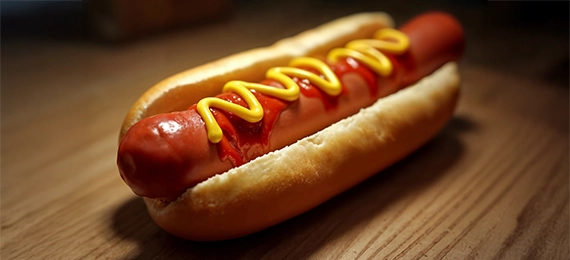
Have you ever wondered about the story behind America’s favorite ballpark snack? The history of hot dogs is far more fascinating than you might imagine, spanning centuries and continents before becoming the beloved American icon we know today.
The Ancient Origins: It All Started in Rome
The hot dog’s story begins much earlier than most people realize. While the modern hot dog is distinctly American, its roots trace back to ancient Rome during the reign of Emperor Nero. Legend tells us that Gaius, Nero’s cook, may have created the first linked sausages around 64 AD.
What Country Consumes the Most Hot Dogs?
- A. United States
- B. Australia
- C. Germany
- D. Italy
In ancient Rome, it was customary to starve pigs for a week before slaughter. As the story goes, Gaius was overseeing his kitchen when he noticed a pig’s intestines had inflated from trapped air. This sparked the idea to stuff the intestines with ground meat and spices, creating what many consider the ancestor of today’s hot dog.
The German Connection: Frankfurt’s Claim to Fame
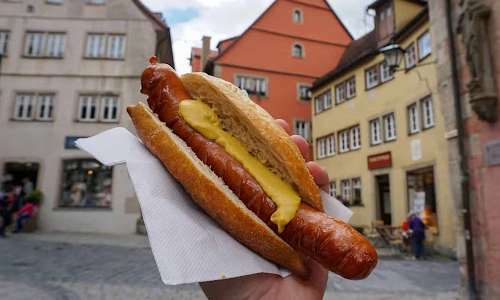
Fast-forward to medieval Germany, where the hot dog’s more direct ancestors emerged. Frankfurt, Germany, proudly claims to be the birthplace of the modern hot dog, even celebrating its 500th birthday in 1987. The city’s signature sausages, called “Frankfurter Würstchen,” were known as early as the 13th century and were traditionally given to people during imperial coronations.
These German sausages were quite different from Roman predecessors – they were typically made from pork and seasoned with specific spices that gave them their distinctive flavor. German butchers perfected the art of sausage-making, creating the foundation for what would eventually cross the Atlantic to America.
The Journey to America: German Immigrants Bring Their Tradition
The hot dog’s American chapter began in the mid-1800s when German immigrants brought their sausage-making traditions to the New World. These immigrants settled throughout the United States, opening butcher shops and food stalls where they sold their familiar frankfurters and bratwurst.
One of the most famous early pioneers was Anton Feuchtwanger (some sources call him Antonoine), a Bavarian concessionaire who sold hot sausages in the 1880s. According to legend, Feuchtwanger’s wife suggested he serve the hot sausages in bread rolls to make them easier for customers to handle – a revolutionary idea that changed everything.
Initially, Feuchtwanger tried loaning white gloves to customers so they could hold the hot sausages without burning their hands. However, when customers began walking off with the gloves, he desperately needed another solution. The bread roll innovation not only solved the practical problem but also created the template for the modern hot dog.
Coney Island: Where Hot Dogs Became American
The real transformation of hot dogs into an American phenomenon happened at Coney Island in New York. In 1867, Charles Feltman began selling hot dogs from a pushcart on the famous boardwalk, creating what many consider the first American hot dog stand.
But the story gets even better. In 1916, a former employee of Feltman’s named Nathan Handwerker opened his own competing stand. Nathan’s strategy was brilliant – he sold hot dogs for half the price of Feltman’s while maintaining quality. Nathan’s Famous Hot Dogs became an instant success and remains a Coney Island institution over 100 years later.
This period marked the hot dog’s transition from an ethnic food to a truly American creation. The combination of German sausage-making tradition with American entrepreneurship and innovation created something entirely new.
How Did “Hot Dogs” Get Their Name?

The term “hot dog” has a somewhat crude but interesting origin story. Barry Popick, a prominent hot dog historian and linguist, notes that the term began appearing in college magazines during the 1890s. The name grew out of college humor and crude jokes about what might actually be in the sausages.
Since the Middle Ages, people have been suspicious about the contents of canned meats, with rumors (mostly unfounded) about everything from dogs and rats to cats being used as ingredients. The college students of the 1890s found this amusing and began calling the sausages “hot dogs” as a tongue-in-cheek reference to these concerns.
Interestingly, few people wanted to know “how the sausage gets made” – a phrase that originated from this exact period and these exact concerns about hot dog ingredients.
Hot Dogs in Modern America

Today’s hot dog industry is massive. Between Memorial Day and Labor Day alone, Americans consume an estimated seven billion hot dogs. That’s roughly 818 hot dogs consumed every second during the summer months!
The most popular condiment remains mustard, followed by onions, chili, ketchup, relish, and sauerkraut. Regional variations have emerged across the country:
Chicago-style hot dogs feature yellow mustard, chopped onions, bright green relish, tomato wedges, pickle spear, sport peppers, and celery salt on a poppy seed bun – and never, ever ketchup.
New York hot dogs are typically served with mustard and/or sauerkraut and onions from street carts throughout the city.
Coney Island hot dogs feature a special meat sauce that varies by region, with Detroit, Cincinnati, and other cities all claiming their own authentic versions.
Fun Hot Dog Facts That Will Amaze Your Friends
- Joey Chestnut holds the current world record for hot dog eating, consuming 74 hot dogs in 10 minutes during the 2018 Nathan’s Famous Fourth of July International Hot Dog Eating Contest.
- The hot dog was one of the first foods eaten on the moon – astronauts have taken hot dogs on space missions.
- Americans typically eat 7 billion hot dogs between Memorial Day and Labor Day each year.
- The longest hot dog ever created was 669 feet long and was made in Paraguay in 2011.
- Hot dogs are the food most likely to cause choking in children under 14, which is why many pediatricians recommend cutting them lengthwise before serving to young children.
The Cultural Impact of Hot Dogs
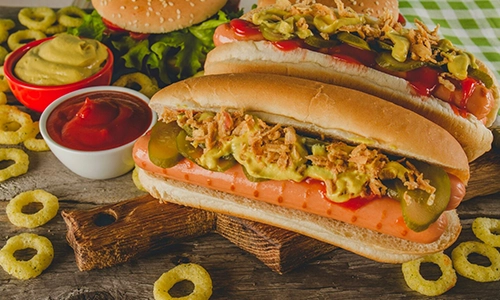
Hot dogs have become more than just food – they’re part of American culture. From baseball games to backyard barbecues, hot dogs represent casual American dining at its finest. They’ve appeared in countless movies, TV shows, and songs, cementing their place in American popular culture.
The phrase “hot dog!” as an exclamation of excitement actually comes from the food’s popularity at baseball games and other exciting events. When something good happened, fans would cheer as enthusiastically as they did when the hot dog vendor came around.
Modern Innovations and the Future

Today’s hot dog industry continues to evolve. Gourmet hot dog restaurants offer artisanal versions with exotic meats like duck, lamb, or venison. Vegetarian and vegan alternatives have become increasingly popular, with plant-based hot dogs that closely mimic the taste and texture of traditional versions.
Some modern innovations include:

- Puka Dogs from Hawaii, which originated in Kauai and feature hot dogs served in sweet bread with tropical fruit relishes
- Corn dogs, which coat the hot dog in cornmeal batter and fry it on a stick
- Bacon-wrapped hot dogs, popular in street food culture across the American Southwest
- Gourmet variations featuring everything from truffle oil to exotic spice blends
The history of hot dogs represents a perfect example of American culinary evolution. What started as ancient Roman sausages, developed through German craftsmanship, and was perfected by American entrepreneurship, has become one of the most recognizable foods in the world.
From Nero’s kitchen to Nathan’s Famous, from medieval Frankfurt to modern food trucks, the hot dog has traveled through time and across continents to become a true American icon. Whether you prefer yours with just mustard or loaded with every condiment imaginable, you’re participating in a culinary tradition that spans over 2,000 years of history.
The next time you bite into a hot dog at a baseball game or backyard barbecue, remember that you’re not just enjoying a simple snack – you’re tasting a piece of history that connects ancient Rome to modern America, one delicious bite at a time.