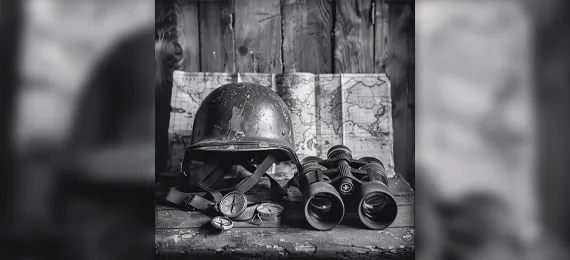
Construction hard hats were first introduced in 1919 by Edward W. Bullard, inspired by military helmets used during World War I. Over the decades, they evolved from steamed canvas designs into modern HDPE safety helmets that protect millions of workers worldwide.
Ever looked at a modern construction site and wondered how we transitioned from building the Pyramids in bare heads to wearing highly engineered plastic buckets on our skulls? The humble hard hat is the unsung hero of industrial safety, standing tall between a worker’s brain and a stray two-by-four. Today, construction hard hats represent a global safety industry worth millions of dollars., a universal symbol of labor, and a strict legal requirement globally. But it wasn’t always this way. Grab your safety gear and a cup of coffee because the journey from soft caps to high-impact armor is full of surprising twists, accidental genius, and plenty of boiled canvas.
From Doughboys to Head Protection: The Hard Boiled Revolution
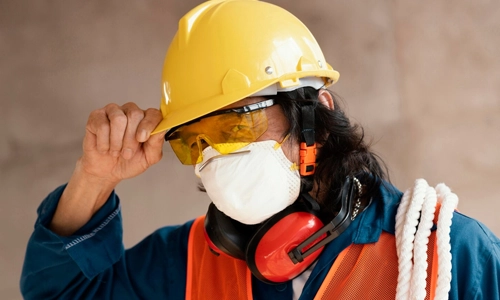
Who patented the very first commercial hard hat in 1919?
- A. Henry Ford
- B. Edward W. Bullard
- C. Joseph Strauss
- D. Thomas Edison
Before the twentieth century, miners and builders approached head protection with a mix of casual indifference and questionable fashion choices. Most workers wore soft felt caps or leather hats. These did a fantastic job of keeping grease out of their hair, but they offered a grand total of zero protection against a falling brick. If something heavy dropped from above, the standard medical response was simply to hope for the best.
Everything changed when a man named Edward W. Bullard returned home from the muddy trenches of World War I. While serving, he noticed how effectively the steel “doughboy” helmets protected soldiers from flying shrapnel. Bullard’s family business already sold protective lighting and gear to miners, so he had a sudden stroke of inspiration: why not bring that military-grade head armor to civilian job sites?
The result of his brilliant idea was the iconic hard boiled hard hat, patented in 1919. Now, despite the delicious-sounding name, you couldn’t eat it. Bullard created this marvel by taking heavy canvas, steaming it, wrapping it around a mold, and soaking it in water-resistant glue. He then baked the whole contraption to make it rigid. To top it off, he added an internal suspension web to absorb blows. It was lightweight, remarkably tough, and a massive hit. The Bullard hard hat 502 and its subsequent descendants laid the foundational architecture for every single piece of industrial head protection we use today.
High-Flying Landmarks and Mandatory Safety

Even with a great product on the market, getting rugged blue-collar workers to adopt safety gear required a bit of a push. The real tipping point for the hard hat for construction came during the construction of two massive American infrastructure projects in the 1930s: the Hoover Dam and the Golden Gate Bridge.
HARD HAT MILESTONES TIMELINE
[1919] ———————————————————->
Edward Bullard patents the “Hard Boiled” canvas hat.
[1931] ———————————————————->
Hoover Dam project begins; workers buy hats out-of-pocket.
[1933] ———————————————————->
Golden Gate Bridge project mandates hard hats for all workers.
[1938] ———————————————————->
Bullard introduces the first commercial aluminum hard hat.
[1940s] ———————————————————>
Fiberglass replaces aluminum due to electrical conductivity risks.
[1970] ———————————————————->
OSHA is formed, making hard hats a federal legal requirement.
During the Hoover Dam project in 1931, falling rocks were an everyday hazard. Workers actually began buying Bullard’s hats out of their own pockets to stay alive. Seeing this, the project managers stepped in and made head protection a formal site rule.
Shortly after, in 1933, Joseph Strauss, the chief engineer of the Golden Gate Bridge project, looked at the terrifying heights his crew would be working at and decided that safety shouldn’t be optional. He issued a historic mandate: every single worker on the bridge had to wear a hard hat. Strauss even requested that Bullard modify the hats to protect workers from falling rivets. This was the exact moment head protection transformed from a personal preference into an institutional safety standard.
What Are Hard Hats Made Of?

As technology marched forward, the hard hat material underwent a massive transformation. Boiled canvas served its purpose well, but industrial environments demanded something even tougher, non-flammable, and less prone to rotting in the rain.
- Aluminum (1938): Bullard introduced the first aluminum variant. It looked incredibly sleek, like a sci-fi spacer helmet, and it was wildly durable. However, engineers quickly realized a fatal flaw: aluminum conducts electricity. If a worker bumped into a live wire, the hat turned from a lifesaver into a hazard.
- Fiberglass (1940s): To solve the electricity problem, manufacturers pivoted to fiberglass. It was lightweight, heat-resistant, and safely non-conductive.
- Thermoplastics (1950s – Present): By the 1950s and 60s, injection-molded plastics took over the world. Today, when you look at standard hard hat types, they are predominantly crafted from High-Density Polyethylene (HDPE) or advanced polycarbonates. These materials are incredibly cost-effective, feather-light, and capable of taking immense impacts without cracking.
Decoding the Rainbow: Safety Hats Colours Meaning
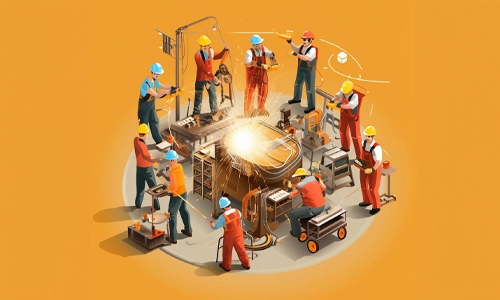
If you walk onto a job site today, you will quickly notice that headgear isn’t a monochrome affair. There is an unwritten, yet highly respected, hard hat color meaning system used across the industry. It acts as a visual shorthand so you know exactly who to look for—or who to run away from if you accidentally broke something.
- White: Worn by managers, foremen, engineers, and site supervisors. Basically, the folks with clipboard authority.
- Yellow: The classic color for general laborers, earthmovers, and heavy machinery operators.
- Blue: Reserved for technical tradespeople like electricians, carpenters, and specialized technicians.
- Green: Usually flags the safety inspector or a designated first-aid officer.
- Red: Worn by firefighters or specialized hot-work professionals.
- Brown: Frequently spotted on welders or anyone dealing with extreme heat applications.
Beyond the base colors, you will often spot intricate drawings on hard hats. Workers love to personalize their shells with stickers, custom decals, and company logos. These drawings aren’t just for show; they tell a story of the projects a worker has survived, their union affiliations, and their years of experience on the line.
Frequently Asked Questions
Who invented the first construction hard hat?
Edward W. Bullard patented the first commercial hard hat in 1919 after being inspired by military helmets used during World War I.
Why are construction hard hats important?
Hard hats help protect workers from falling objects, impacts, and other workplace hazards.
What are modern hard hats made of?
Most modern hard hats are made from high-density polyethylene (HDPE), thermoplastics, or polycarbonate materials.
What do hard hat colors mean?
Hard hat colors often identify job roles. For example, white is commonly worn by supervisors and engineers, while yellow is usually worn by general laborers.
When did hard hats become mandatory?
Hard hats became widely required on major construction projects during the 1930s and later became part of workplace safety regulations after OSHA was established in 1970.