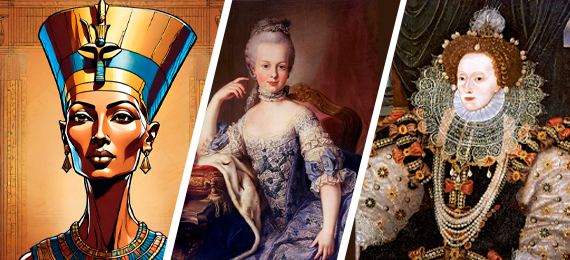
When you think about queens from the past, it’s not just their crowns or royal titles that stand out, it’s their beauty, intelligence, and the impact they left on the world. These captivating women weren’t just rulers; they were style icons, trendsetters, and powerful figures whose stories continue to fascinate us even today. From the ancient temples of Egypt to the grand courts of Europe, each of these queens used her charm and cleverness to change history. Be sure to enjoy each segment as you go through them. Don’t forget to take a moment to answer the quiz questions. Have a great time!
Here’s a summary of the beautiful queens in history that you wanted to know about. I hope you find it interesting.
Top 10 Most Beautiful Queens in History
Cleopatra of Egypt
Nefertiti
Marie Antoinette
Queen Rania of Jordan
Elizabeth I of England
Catherine the Great
Empress Elisabeth of Austria (Sisi)
Anne BoleynWhen to see a Doctor?
Queen Isabella of Castile
Queen Soraya of Afghanistan
What beauty ritual was Cleopatra famous for?
- A. Bathing in olive oil
- B. Bathing in donkey milk
- C. Applying honey masks
- D. Using lavender water
Ready to explore their stories and discover the secrets behind their timeless appeal?
1. Cleopatra of Egypt
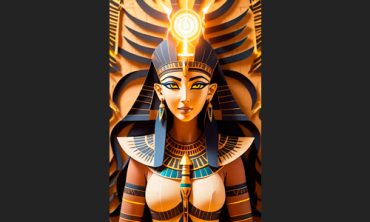
Beauty Secret
Cleopatra was known for her elaborate beauty rituals, including bathing in donkey milk to maintain soft skin. She also used natural kohl eyeliner to accentuate her eyes—an Egyptian trend that persists today.
Legacy Highlight
Cleopatra’s rule was not just about her charm, she was also very smart politically. She formed alliances with powerful Roman leaders to keep Egypt independent.
Quick Fact
Even though Cleopatra was known for her beauty, it was her intelligence and charm that made her truly unforgettable.
2. Nefertiti
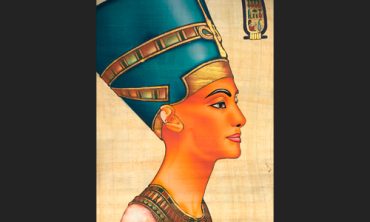
Beauty Secret
Nefertiti’s reach shows her smooth, symmetrical features, setting beauty standards in ancient Egyptian art and fashion. She also wore a distinctive blue crown that highlighted her royal status.
Legacy Highlight
Beyond her beauty, Nefertiti was a strong supporter of religious reform, she and her husband, Akhenaten, wanted people to worship just one god named Aten instead of many Gods. They helped make this change in their religion.
Did You Know?
Nefertiti was so important that she was often shown in the same way as male rulers, which was rare and special.
3. Marie Antoinette
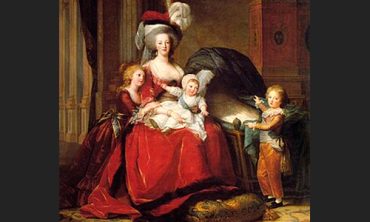
Beauty Secret
Marie Antoinette’s porcelain skin was achieved using a mixture of white lead and vinegar, though this beauty trend had dangerous side effects. Her “pouf” hairstyle, often adorned with extravagant accessories, was the height of royal fashion.
Legacy Highlight
She is known for her extravagant lifestyle and is remembered more for her influence on fashion than her political actions.
Fashion Insight
Marie Antoinette even had a personal hairdresser and designer to ensure she set the trends in Versailles.
4. Queen Rania of Jordan
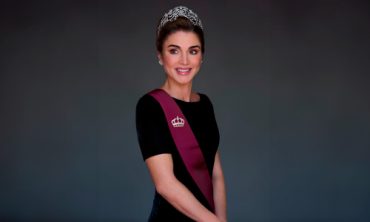
Beauty Secret
Queen Rania’s simple, elegant style mixes modern fashion with traditional touches, making her relatable and iconic for women everywhere. That’s why is is one of the most beautiful queens in history.
Legacy Highlight
Rania’s influence goes beyond her appearance. She strongly advocates for education, women’s rights, and social justice, connecting with audiences in the Middle East and the West, including many in the US.
Modern Queen
Queen Rania’s effortless style and advocacy work make her a role model for millions worldwide.
5. Elizabeth I of England
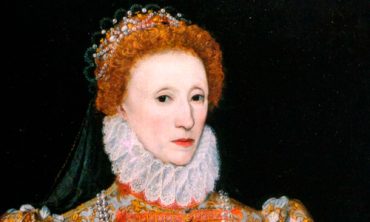
Beauty Secret
Elizabeth used Venetian ceruse, a mix of white lead and vinegar, to get her famous pale skin. She also wore extravagant gowns and jewels to show her power and wealth.
Legacy Highlight
Elizabeth’s reign, called the Elizabethan Era, was a golden age for English culture. It featured the works of Shakespeare and the growth of English exploration.
Elizabethan Era Insight
Her carefully crafted image helped solidify her authority in a male-dominated society, making her one of England’s most influential rulers.
6. Catherine the Great
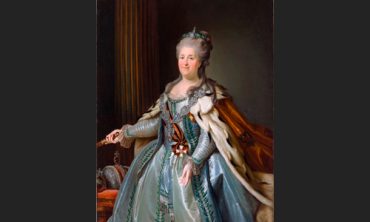
Beauty Secret
Catherine stayed appealing by embracing simple elegance. She often chose understated fashion instead of flashy styles, which showcased her natural beauty and intelligence.
Legacy Highlight
Catherine expanded Russia’s territories and modernized its culture, becoming one of history’s most powerful leaders. Her charisma also drew in famous artists and philosophers.
Empire Builder
Catherine aimed to highlight her intellect and leadership, making sure her legacy went beyond her appearance.
7. Empress Elisabeth of Austria (Sisi)
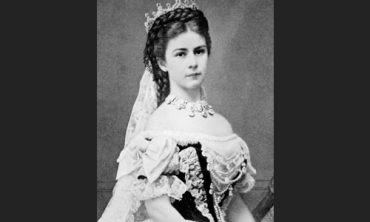
Beauty Secret
Sisi was dedicated to her figure and beauty. She followed strict diets and exercised regularly, which was uncommon for royals of her time. She took great pride in her long hair, which often took hours to style.
Legacy Highlight
Sisi’s rejection of strict court rules and her passion for travel and freedom made her a beloved and unique figure in European history.
Beauty Ritual
Her detailed self-care routine, which included herbal baths and hair masks, was ahead of its time and focused on natural beauty.
8. Anne Boleyn
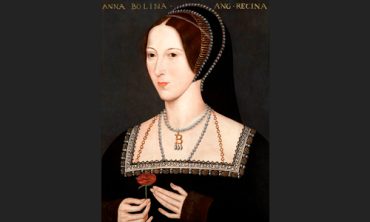
Beauty Secret
Anne’s striking dark eyes and charm made her stand out. She used light fragrances and oils, like rose water, to boost her appeal, which was uncommon in the Tudor court.
Legacy Highlight
Anne’s marriage to Henry VIII changed English history and led to the creation of the Church of England, influenced by both her impact and her beauty.
Mysterious Beauty
Anne’s charm was strong enough to change England’s political and religious landscape, showing that beauty can be powerful.
9. Queen Isabella of Castile
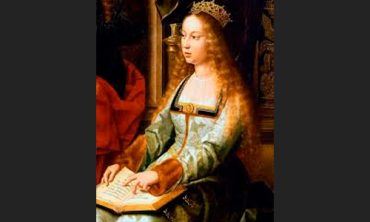
Beauty Secret
Unlike many queens, Isabella chose a more modest and practical style, preferring traditional Spanish gowns and simple elegance that matched her religious image.
Legacy Highlight
Isabella married Ferdinand of Aragon, which united Spain and helped pay for Columbus’s journey to the Americas.
Strategic Beauty
Her simple style matched her image as a religious and strong leader who wanted to create a powerful, united Spain.
10. Queen Soraya of Afghanistan
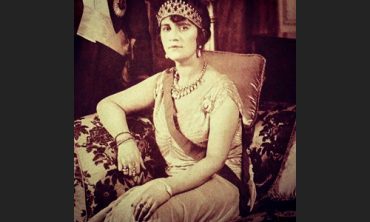
Beauty Secret
Queen Soraya mixed Afghan and European styles, wearing traditional Afghan clothes and modern Western outfits. This showed a connection between tradition and progress.
Legacy Highlight
Soraya supported women’s rights and education in the early 1900s, making important steps to modernize Afghanistan.
Progressive Queen
Her fashion and support for women’s rights made her an important figure in Afghan history, representing modernity and progress.
FAQs: Most Beautiful Queens in History
1. What criteria determines beauty in historical queens?
Beauty in historical accounts often combined physical appearance (symmetry, skin tone, grooming), style (clothing, jewelry, grooming), and charisma or political influence. Also, many sources exaggerate beauty to enhance legend.
2. Was Cleopatra really considered beautiful in her own time, or is it legend?
Cleopatra’s beauty is legendary, but many historians say it was her intelligence, political skill, multilingualism, and charm that made her truly powerful—and accounts of her appearance are often romanticized in later art and literature.
3. Who was Nefertiti and why is she often included among the most beautiful queens?
Nefertiti was an Egyptian queen of the 18th Dynasty. Known for her symmetry, iconic bust, elegant style, and significant role in religious and cultural reform alongside her husband (Akhenaten), she’s often celebrated for both her beauty and influence.
4. Did beauty contribute to a queen’s political power historically?
Yes, in many cases. Beauty, fashion, and public image could boost a queen’s influence, help with diplomatic alliances, elevate her status at court, and solidify her legacy. However, beauty alone was rarely enough—competence, lineage, and power were crucial.
How does modern perception alter how we view historical queens’ beauty?
Modern beauty standards (media, fashion, photography) color how we interpret historical portraits and descriptions. Many images we see have also been idealized. What was considered beautiful centuries ago might differ greatly from contemporary ideals.
6. Are there queens outside of Europe and ancient Egypt often forgotten in such lists?
Yes. There are beautiful and influential queens from Asia, Africa, and the Americas whose stories are less known in Western media. Including them broadens perspective and acknowledges global history.
7. Can we trust historical sources about a queen’s beauty?
We should treat them with caution. Many sources are biased (competing political narratives, myth-building, European art), and descriptions are often symbolic rather than factual.
8. Was fashion or jewelry a large part of a queen’s beauty legacy?
Hairstyles, clothing, jewels, cosmetics, and adornments were major elements of royal beauty—for many queens, how they presented themselves in portraits, court ceremonies, and diplomacy helped shape how they are remembered.
Did factors like grooming, skincare, or rituals matter for queens’ appearance?
They did. Queens often used exotic cosmetics, special bathing or skin treatments (natural oils, herbs, milk), and had access to elaborate clothing and accessories which non-royal people might not. These helped maintain their public image.
10. Who is considered the most enduring beauty queen from ancient times?
While “most beautiful” is subjective, names like Cleopatra, Nefertiti, and Empress Elisabeth of Austria (Sisi) often come up across cultures for their lasting beauty image, style, and romanticized legacy.
From Cleopatra’s smart partnerships to Queen Soraya’s modern ideas, these queens showed that beauty can help create change and influence. Are you interested in their stories? Take our quiz on famous queens and see what you know.