Imagine a world before subways. No underground tunnels humming with trains. No bustling platforms. No “mind the gap” announcements. Hard to picture, right? Today, subways are one of the most normal parts of urban life — so normal that we forget there was a historical “first.”
So let’s hop on the trivia train and zoom back to where it all began.
You’re about to learn where the first subway in the world was built, how it came to be, and why it changed cities forever.
London: The Pioneer of Underground Transit
Where was the first subway in the world built?
- A. Paris
- B. New York City
- C. London
- D. Berlin
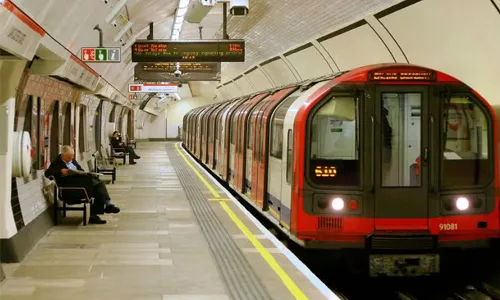
The title of the first subway in the world goes to London, England.
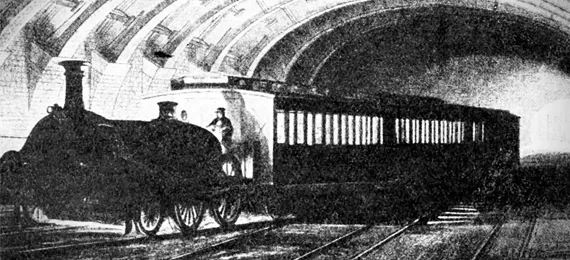
In 1863, London opened the very first underground railway system — the Metropolitan Railway. It ran between Paddington and Farringdon and stretched about 6 kilometers (just under 4 miles). Before it opened, Londoners dealt with nonstop street traffic and crowded roads, especially during the Industrial Revolution boom.
So what made this underground line such a game-changer?
Why Go Underground?
By the mid-19th century, London was bursting at the seams — crowded streets, horse-drawn carriages rattling along, and pedestrians navigating chaos. Solutions on the surface were hitting a dead end.
The idea?
Move down.
Beneath the roads. Into tunnels. A whole new layer of city life.
Not many people knew it at the time, but this was the birth of modern mass urban transportation.
The First Journey
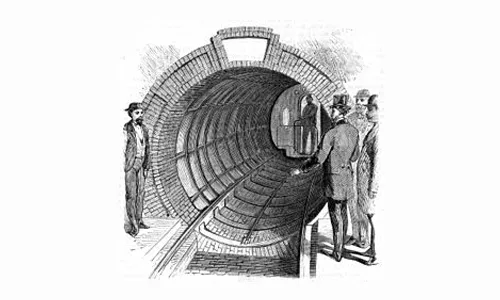
On January 10, 1863, trains began running. The engines were originally steam — yes, like the Victorian age! These trains chugged through tunnels built using the “cut-and-cover” method:
- Dig a pit
- Lay tracks and build the tunnel
- Cover it back up
It was noisy. It was smoky. It was absolutely revolutionary.
Passengers would ride underground for the first time in recorded history — and they were hooked. The commute changed forever.
From Steam to Electricity
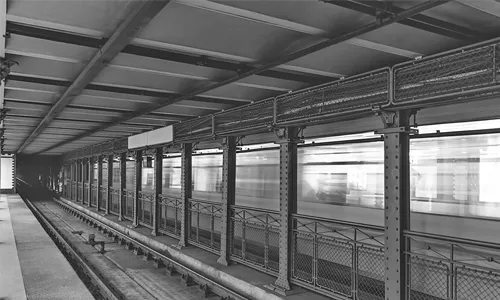
But steam engines underground came with a problem: smoke and thick air that made the tunnels grimy and unpleasant. It wasn’t long before real innovation kicked in.
In 1890, another London subway line introduced electric trains — faster, cleaner, and way less smoky. That was the start of subways evolving into the systems we recognize today.
The Spread Across the Globe
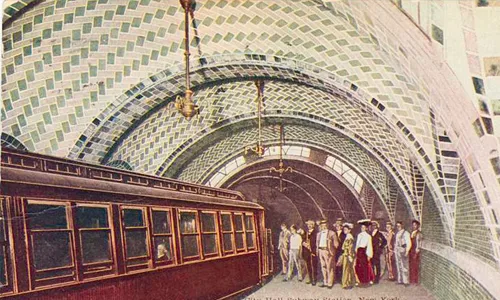
Once London proved the concept, other cities couldn’t resist. Cities with bustling populations and ridiculous surface traffic needed a solution too.
Here’s a quick snapshot of some subway “firsts”:
- New York City – First U.S. subway system (opened 1904)
- Paris – The Métro (opened 1900)
- Buenos Aires – First in Latin America (1913)
- Tokyo – First in Asia (1927)
Each new subway became a lifeline, shaping city growth, daily life, and the way people think about moving inside massive urban centers.
Why This Matters
The opening of the first subway in the world didn’t just make travel faster. It triggered a transportation revolution:
- Reduced street congestion
- Connected distant neighborhoods
- Influenced how cities expanded
- Shaped modern urban culture
Without the London Underground’s success, global public transit might look very different today.
Interesting Facts
- The London subway is also called the Tube.
- Electric trains replaced steam because the underground smoke was terrible.
- The NYC subway now has more annual riders than the London Underground.
- Many early subways used the same “cut-and-cover” tunnel technique.
Frequently Asked Questions
What year did the first subway open?
1863 in London
Why was the subway built?
To reduce street congestion and improve transportation in crowded cities.
What city had the first electric subway trains?
London (electric trains arrived in the 1890s).
The first subway in the world might seem like a simple tunnel under the streets of London — but its impact was anything but small. It forever altered how cities function, how people commute, and how billions of daily journeys take place around the globe.
Next time you hear that rumble underground and feel the train glide through the tunnels, remember: you’re riding the legacy of a brilliant idea born in Victorian London — the moment mass urban transit changed course forever.