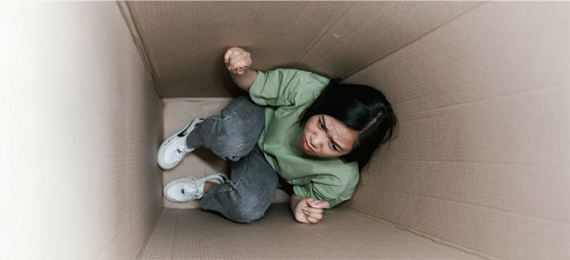
Claustrophobia is an intense and irrational fear of enclosed spaces. People may experience anxiety or panic attacks when in confined spaces and might go to great lengths to avoid such situations. It can be triggered by various scenarios or stimuli, such as elevators, windowless rooms, or similar environments. Sometimes, it may even be triggered in bedrooms when locked in, in small cars, or by wearing tight-necked clothing. Claustrophobia can also be caused by factors such as a reduction in the size of the amygdala, classical conditioning, or a genetic predisposition to discomfort in small spaces.
Tigger Points of Claustrophobia
Claustrophobia can be triggered by classical conditioned or learned phobia. These are some of the common trigger points that should know about.
1. Amygdala
The amygdala is one of the smallest yet most powerful structures in the human brain. It plays a critical role in conditioning fear and creating the fight-or-flight response. This response is triggered when a stimulus arises from a threatening situation. During a fight-or-flight scenario, the amygdala’s nuclei send impulses to other nuclei, influencing respiratory rates, physical arousal, adrenaline release, blood pressure, heart rate, behavioral fear, and defensive responses, which may cause a person to freeze. A series of these reactions can lead to an “autonomic failure” during a panic attack. As a result, individuals may panic or overreact in situations where they feel physically confined.
Which of the following terms refers to the fear of small or enclosed spaces?
- A. Claustrophobia
- B. Xenophobia
- C. Agoraphobia
- D. Acrophobia
2. Past Experiences

Claustrophobia occurs when the mind perceives danger, often as a result of past experiences. A single event or repeated occurrences can leave a lasting impression on the mind. Some situations that may trigger the onset of claustrophobia in children or adults include being locked in a closet, getting separated from parents in a large crowd, being left or locked in a car or van, or spending time in windowless classrooms or basements as a form of punishment. In some cases, it can even stem from the birth experience, where a sense of helplessness may contribute to the development.
3. MRI or CT Scan
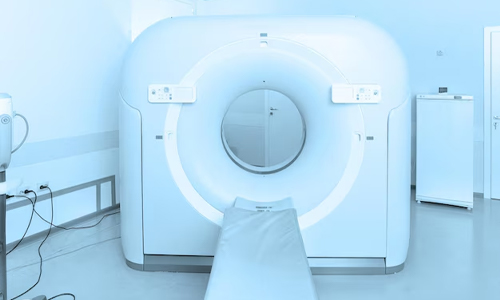
MRI or CT scans can also act as triggers for claustrophobia. The process of lying still in a narrow tube has caused many individuals to experience panic attacks during the procedure. This experience can not only exacerbate a preexisting phobia but also lead to the onset of claustrophobia in some people.
4. Other Trigger Points
In addition to the reasons discussed above, other triggers for claustrophobia include tunnels, trains, planes, and small cars. Even thinking about these situations can provoke a reaction. People with claustrophobia often avoid traveling in heavy traffic and prefer taking stairs over using elevators. They may have a history of being trapped in a confined space, experiencing abuse or bullying as a child, or having a parent with claustrophobia. While the exact cause of claustrophobia is unknown, it is believed to be linked to trauma, genetics, family influence, or environmental factors.
Symptoms Of Claustrophobia
1. Physical Symptoms

People with claustrophobia often experience panic attacks, which can be very frightening and distressing. They may also have overwhelming feelings of anxiety. Claustrophobia can cause physical symptoms such as sweating, trembling, a rapid heartbeat, chest pain or tightness, shortness of breath, a choking sensation, nausea, dizziness, lightheadedness, a dry mouth, numbness, or hot flashes and chills.
2. Emotional Symptoms

Along with the physical symptoms mentioned above, people with claustrophobia may also experience emotional symptoms. These can include anxiety, panic attacks, a sense of impending doom, and the feeling that you are going to collapse or that everything is coming to an end. At times, these symptoms can become quite intense.
3. Behavioral Symptoms

When people experience many of these symptoms, they tend to avoid situations that trigger them and look for compulsive exits or stand near exit points in crowded places. The fear of being in these situations can restrict movement, such as when they are on a ride at an amusement park or in a crowded park.
How To Treat Claustrophobia
This condition is often treated by psychotherapy and with different types of counseling that mostly help people overcome their fear and manage their triggers.
1. Cognitive Behavioral Therapy (CBT)
In cognitive behavioral therapy, you will learn how to manage, alter, and navigate the thoughts that arise from situations that trigger your claustrophobia. CBT helps you change your thoughts and reactions to these situations.
2. Rational Emotive Behavioral Therapy (REBT)
Rational Emotive Behavioral Therapy (REBT) is an action-oriented form of CBT that focuses on present scenarios. REBT addresses unhealthy attitudes, emotions, and behaviors, and includes disputing irrational beliefs to help people develop realistic and healthy alternatives.
3. Relaxting methods and visualisation
When you sit for therapy, you will be offered different relaxation techniques to use when you are in a claustrophobic situation. These techniques include exercises like counting from 10 or visualizing yourself in a safer place. You can also try self-help techniques, such as using lavender oil. These methods can help calm your nerves, ease your mental state, and alleviate panic.
4. Therapy

Going to therapy is a common solution for treating anxiety conditions and phobias. In a therapy session, you may be gradually exposed to situations that trigger your claustrophobia, helping you confront and overcome your fear. The idea behind this approach is that the more you are exposed to the things you fear, the less you will fear them over time.
5. Medication

Claustrophobia can also be treated with prescribed antidepressants or anti-anxiety medications, in addition to psychotherapy. These medications can help manage panic and physical symptoms. When prescribed, medications serve as an addition to therapy.
Myths and Facts of Claustrophobia
Myths
- It is a lifelong disorder.
- It is a rare condition.
- This can be avoided.
- It is similar to agoraphobia.
Facts
- It can cause panic symptoms such as increased heart rate, sweating, trembling, chest pain, and difficulty breathing.
- It can impact daily activities like work, school, and social events.
- It may be a vestigial evolutionary survival mechanism that was once important for human survival.
- Approximately 12.5% of the population has it, and most of them are women.