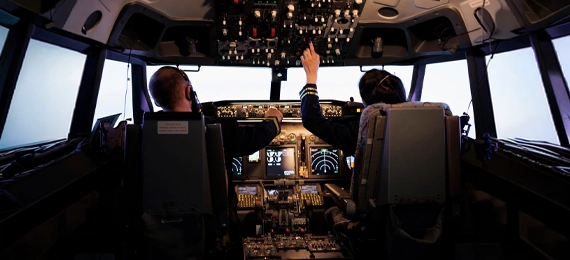
The question “are pilots more likely to get cancer?” has gained attention over the years—and for good reason. Don’t forget the research findings about cancer risks in Sharks. Aviation professionals spend thousands of hours at high altitudes, exposed to conditions very different from those on the ground.
But this concern isn’t limited to pilots alone. Flight attendants and other aircrew members share many of the same risks, making this a broader issue within the aviation industry.
So, what does science actually say? Let’s break it down.
1. What Is a Male Flight Attendant Called?
- A. Steward
- B. Air Hostess
- C. Stewardess
- D. Air Host
Why Aircrew Face Unique Health Risks
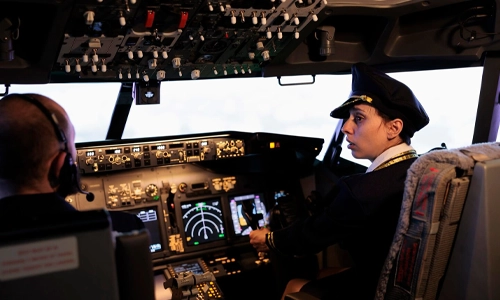
Aircrew members operate in an environment that’s not naturally suited for human biology. At cruising altitudes, exposure to certain risk factors increases significantly compared to ground-level conditions.
Unlike most professions, their workplace is constantly moving through high-altitude airspace, where protective atmospheric layers are thinner.
Over time, this can have measurable effects on long-term health.
Cosmic Radiation: The Biggest Concern
One of the main reasons behind the question is cosmic radiation exposure.
At higher altitudes, the Earth’s atmosphere provides less shielding from cosmic rays originating from space. This means pilots and flight attendants are exposed to higher levels of radiation during flights.
While each individual flight exposes them to low levels, the cumulative exposure over years of flying can become significant.
Studies have shown that aircrew may receive more annual radiation than workers in many other professions.
UV Radiation Through Cockpit Windows
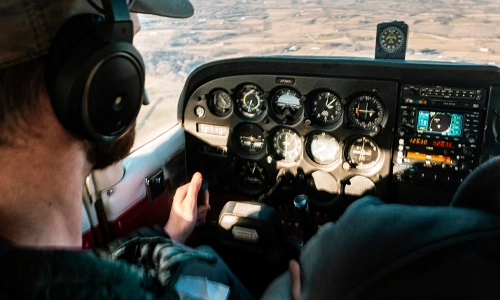
Another contributing factor is ultraviolet (UV) radiation, especially for pilots.
Cockpit windshields block most UVB rays but may allow some UVA rays to pass through. Over long durations, this exposure can increase the risk of skin-related issues, including certain types of skin cancer.
Flight attendants may also experience indirect exposure during flights, although typically at lower levels compared to pilots.
Irregular Sleep Cycles and Circadian Disruption
Aircrew schedules often involve:
- Overnight flights
- Crossing multiple time zones
- Irregular sleep patterns
This leads to circadian rhythm disruption, which has been linked to various health concerns, including cancer.
The body’s internal clock plays a key role in regulating hormones and cellular repair processes. Disruptions over long periods may contribute to increased health risks.
What Research Says About Cancer Risk
Multiple studies over the years have explored whether pilots and flight attendants face higher cancer rates.
Some findings suggest:
- Increased rates of skin cancer (melanoma)
- Higher incidence of breast cancer among flight attendants
- Slightly elevated overall cancer risk in certain aircrew groups
However, it’s important to understand that results can vary based on factors like:
- Flight hours
- Routes (long-haul vs short-haul)
- Lifestyle factors
So while there is evidence of increased risk, it’s not uniform across all individuals.
Are Pilots More at Risk Than Flight Attendants?
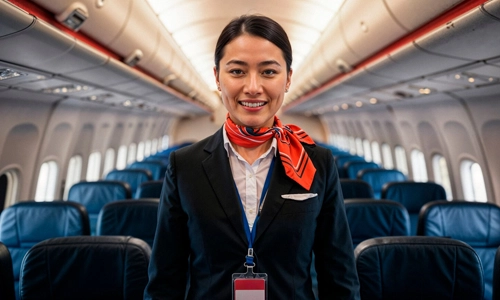
Both pilots and flight attendants face similar environmental exposures, but there are slight differences.
Pilots:
- Spend more time in the cockpit (higher UV exposure)
- Often have longer cumulative flight hours
Flight attendants:
- Experience more physical movement and cabin-related stress
- May face additional lifestyle-related challenges
Overall, both groups are considered part of the aircrew risk category, and studies typically evaluate them together.
Regulations and Safety Measures
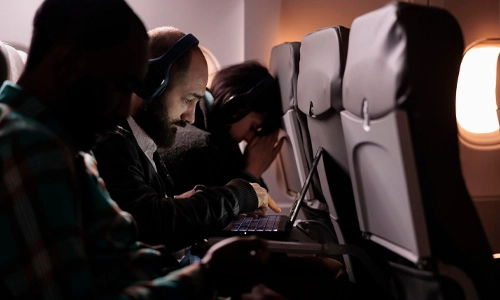
Aviation authorities and airlines are aware of these risks and have implemented safety measures, including:
- Monitoring radiation exposure levels
- Limiting maximum flight hours
- Adjusting routes during high solar activity
In some countries, aircrew are even classified as radiation workers, highlighting the seriousness of the exposure.
FAQs
Are pilots more likely to get cancer than the general population?
Some studies suggest a slightly higher risk, especially for skin cancer, but results vary.
Why do flight attendants have higher cancer rates?
Factors include radiation exposure, disrupted sleep cycles, and lifestyle-related variables.
Is flying frequently dangerous for passengers?
No, occasional flying does not expose passengers to significant cancer risk.
How do airlines protect aircrew from radiation?
By tracking exposure levels, limiting hours, and adjusting flight paths when needed.
Do pilots get more radiation than X-ray workers?
In some cases, yes—especially for long-haul pilots over many years.
Can cosmic radiation cause cancer?
High levels of exposure over time may increase cancer risk.
Is it safe to be a flight attendant long-term?
Yes, but like any profession, it comes with specific occupational risks.
Should Aircrew Be Worried?
While the risks are real, it’s important to keep them in perspective.
Most aircrew members do not develop cancer, and many factors—such as genetics, lifestyle, and overall health—also play a role.
The key takeaway is awareness, not panic. With proper monitoring and precautions, risks can be managed effectively.