Though umpteen games are played worldwide, Chess takes a unique place. Winning in chess competitions ain’t a low-hanging fruit. Because it requires concentration, logical thinking, critical thinking, spatial reasoning, and prediction. With each move the player makes, fans hold their breath, fingers crossed, and cling to the edge of their seats. Many legends have played chess, but only a few managed to reach the world championship throne. Read along to know more about them.
Top 20 World Chess Champions
-
Wilhelm Steinitz
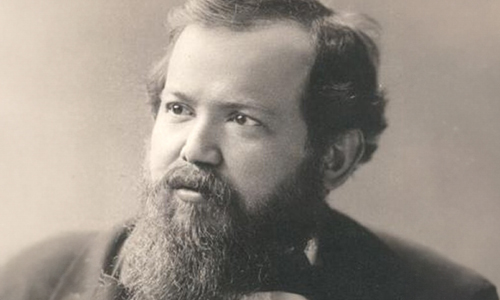
Wilhelm Steinitz, mostly known as the father of positional chess, was an analyst, chess theoretician, and author of the positional school in chess. Ever since he defeated Johannes Zuckertort in the first world championship, he has become the most notable person in the history of chess. In 1873, Steinitz even suggested a new positional style for play, which was debatable at the moment but later accepted by everyone. He had several matches to defend his title, but was unfortunately defeated by Laskar in 1894.
Who invented the positional chess?
- A. Wilhelm Steinitz
- B. Emanuel Lasker
- C. José Raúl Capablanca
- D. Alexander Alekhine
-
Emanuel Lasker
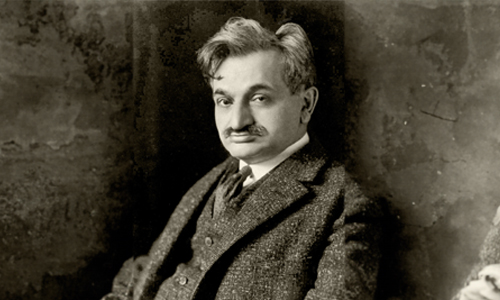
This German chess player was also a mathematician and a philosopher. Emanuel Lasker was the first and longest player to reign as the World Chess Champion for 27 years(1894 – 1921). He defeated Steinitz in the title match in 1894 and held the throne until 1921. Admirably, Lakser played in several tournaments, becoming the strongest player in history. He won matches against Marshall, Tarrasch, Janowsky, and Schlechter.
-
Jose Capablanca
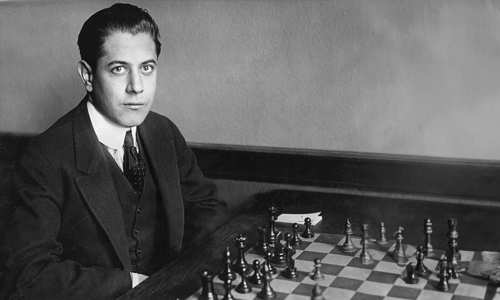
Jose Raul Capablanca was one of the talented players who reached the throne rather quickly before World War I and challenged the longest reign of Lasker. He was considered one of the best endgame players ever. He defeated Lasker 4-0 in the title match and was crowned the third world champion. However, this human chess machine lasted up to six years.
-
Alexander Alekhine
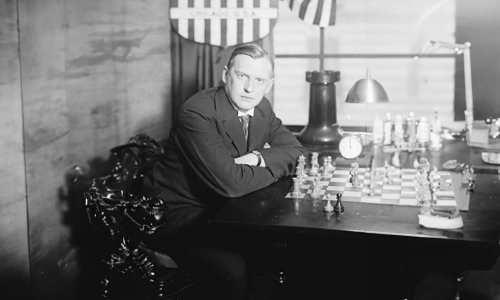
Being a Russian and French chess player was celebrated as a top player by the age of 22.
Alekhine was skilled at attacking play and deep combinations. He ruled the games in the 1920s and bagged $10,000 by winning against Capablanca. In 1927, Alekhine played in Buenos Aires, which is still considered a remarkable duel in chess history where he won the match in +6-3=25 and became the fourth world champion.
-
Max Euwe
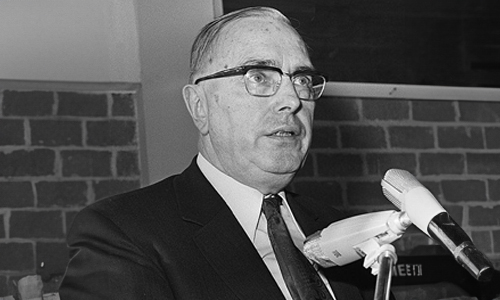
Max had beaten Alekhine in 1935, proving himself the toughest challenger during his period.
Notably, to this date, he is the only Dutch world champion and the only Dutch grandmaster in chess history.
-
Mikhail Botvinnik
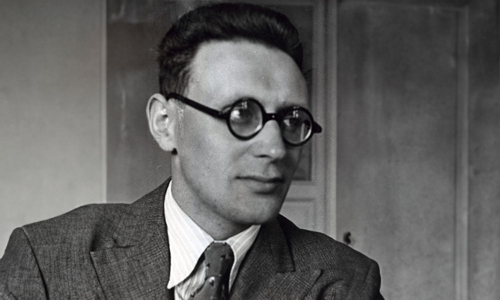
After Alexander Alekhine died, a five-player chess tournament was conducted to hire a new chess champion. The tournament took place in Hague and Moscow, Mikhail was the first Soviet chess player to grab the championship. Later on, he prevailed as a leading competitor for 30 years. Botvinnik introduced three future champions: Karpov, Kasparov, and Kramnik.
-
Vasily Smyslov
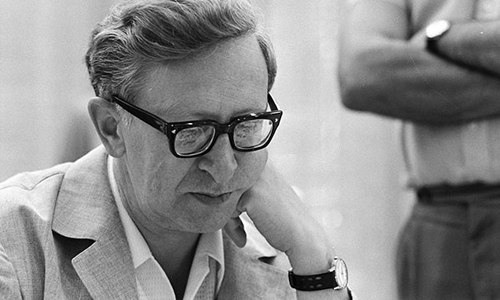
Smyslov possesses a very solid style that has supported him in gaining major wins in many games. He was the first player to win the world championship in Second Chance. Also, Smyslove beat Botvinnik three times with a winning score of (34.5-33.5).
-
Mikhail Tal
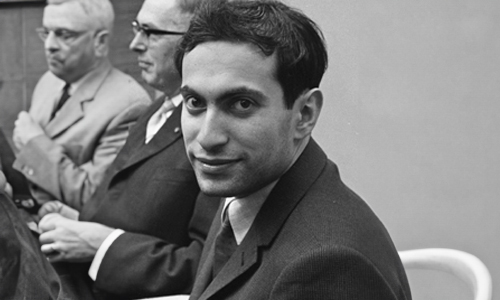
Tal was the youngest player during his time to become a world champion. While Symslov was known for his solid style, Tal’s was dynamic and known for his accuracy, which involved calculation and intuition. In a 1960 match, Tal defeated Botvinnik and gained the throne; however, it didn’t last more than a year as Botvinnik seized the throne again in the next game.
-
Tigran Petrosian
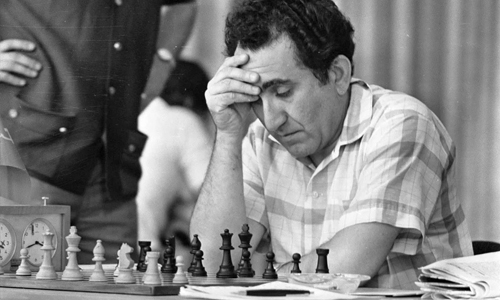
Iron Tigran— the monicker he got for his unshakable playing style, which Tigran used for defense. Importantly, he was the one who ended the longest reign of Botvinnik in the world championship.
-
Boris Spassky
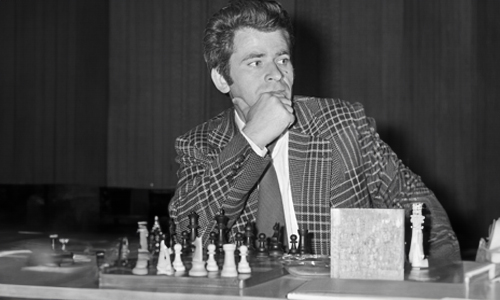
Spaskky was a universal player who could tackle the game from any kind of position. He was the last one to use the King’s Gambit, which became an advantage to win multiple games. He entered the chess arena when he was 19 and proved himself to be the most promising challenger in his era.
-
Bobby Fischer
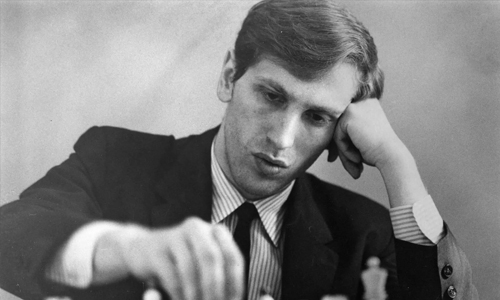
Robert James Fischer is credited with disrupting Soviet rule. This iconic player ruled the chess world from 1969 to 1972, peaking during his era. He debuted in the chess game at the age of 16, too young to compete with the Soviet players. Fischer won against Taimanov, Larson, and Petrosian, leading him to compete with the reigning champion Boris Spassky. He won the title game(12½–8½) and became the 11th world champion.
-
Anatoly Karpov
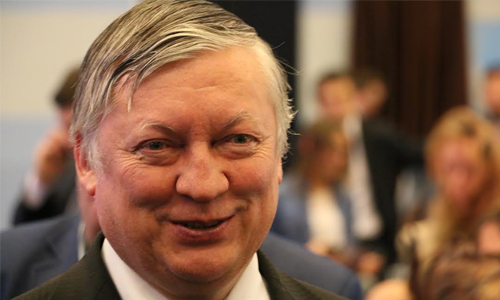
Anatoly Karpov was considered a skillful positional genius in chess history. Though he climbed the world champion throne through forfeiting, Karpov was an active player who won several tournaments in chess. After Fischer lost the game, Karpov was crowned the 12th world champion. He held his position for 10 years by defeating the others in the title match.
-
Garry Kasparov
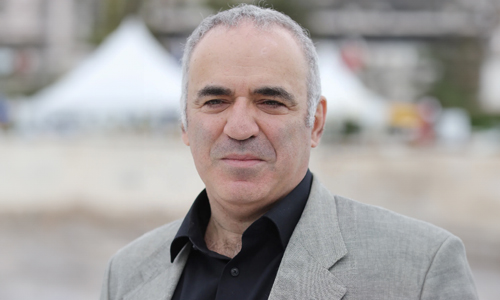
Garry Kasparov was believed to be the future champion as he won the world championship at a young age. He won matches against Beliavsky, Korchnoi, and Smyslov. His match against Karpov is the longest in the history of chess.
-
Vladimir Kramnik
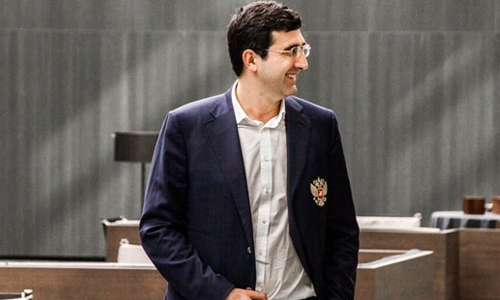
Graduated from the Botvinnik chess school, Kramnik proved himself a tough competitor from the beginning. In 2000, Kasparov conducted a title match in London, where Kramnik defeated Kasparov with admirable scores of 8 ½ – 6 ½. In 2004, he challenged against Topalov and won the title.
-
Viswanathan Anand
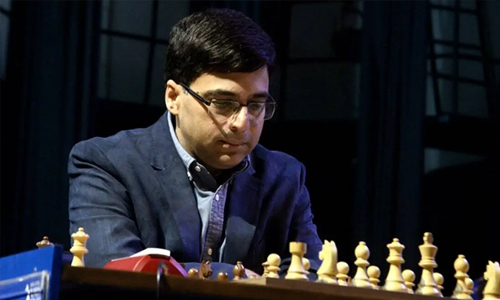
Viswanathan Anand has the pride of being the first grandmaster from India. He was known for his speed of play. Anand challenged Kramik in the 2007 World Chess Championship and won the competition admirably.
-
Magnus Carlsen
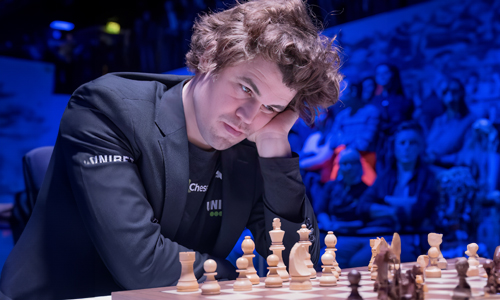
Magnus Carlsen is the youngest player to exceed the 2400 rating mark in chess history. In 2010, he withdrew from the candidates because of the game format. He later reentered the zone in 2013 and won the match against Vladimir Kramnik. In the same year, he dethroned Viswanathan Anand, becoming the world champion.
-
Ruslan Ponomariov
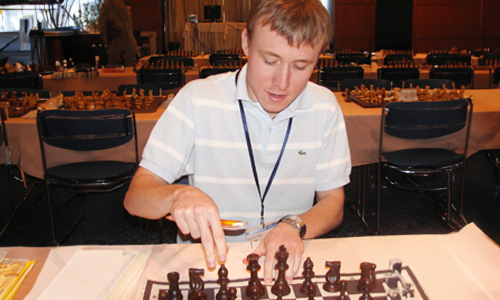
Ponomariov is one of the greatest players in chess history. He was a teenager when he won the world championship, beating his fellow countryman Vasyl Ivanchuk by a score of 4 ½ – 2 ½.
-
Rustam Kasimdzhanov
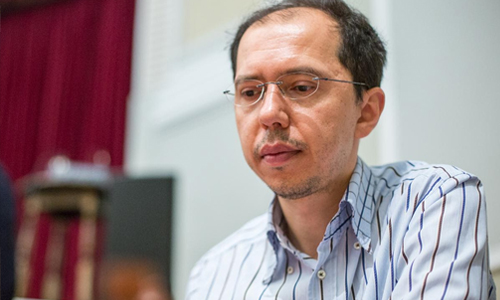
In the 2004 World Chess Championship in Tripoli, Rustam won the title against Michael Adams.
-
Veselin Topalov
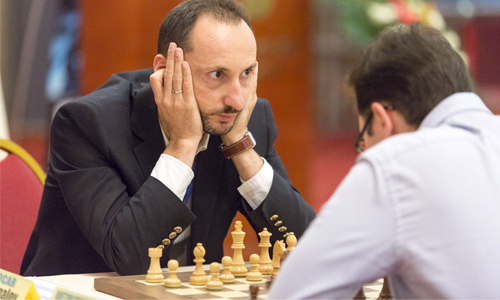
Topalov was a Bulgarian Chess grandmaster and a former FIDE world chess champion.’ He won the title and cthe hess Oscar in 2005. He ranked in the top place in the chess world.
-
Ding Liren
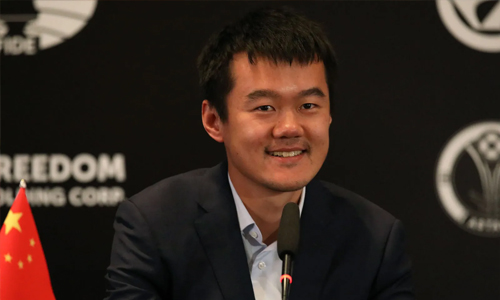
Liren is a Chinese chess grandmaster who won the candidates’ tournament this year. He is considered the highest-rated Chinese chess player in the history of chess.
List of World Chess Champions
| S.NO | WORLD CHESS CHAMPION | COUNTRY | YEAR |
| 1 | Ding Liren | China | 2023–present |
| 2 | Magnus Carlsen | Norway | 2013–2023 |
| 3 | Viswanathan Anand | India | 2007–2013 |
| 4 | Vladimir Kramnik | Russia | 2006–2007 |
| 5 | Veselin Topalov | Bulgaria | 2005–2006 |
| 6 | Rustam Kasimdzhanov | Uzbekistan | 2004–2005 |
| 7 | Ruslan Ponomariov | Ukraine | 2002–2004 |
| 8 | Viswanathan Anand | India | 2000-2002 |
| 9 | Alexander Khalifman | Russia | 1999–2000 |
| 10 | Anatoly Karpov | Russia | 1993–1999 |
| 11 | Vladimir Kramnik | Russia | 2000–2006 |
| 12 | Garry Kasparov | Russia | 1993–2000 |
| 13 | Anatoly Karpov | Soviet Union | 1975–1985 |
| 14 | Bobby Fischer | United States | 1972–1975 |
| 15 | Boris Spassky | Soviet Union | 1969–1972 |
| 16 | Tigran Petrosian | Soviet Union | 1963–1969 |
| 17 | Mikhail Botvinnik | Soviet Union | 1961–1963 |
| 18 | Mikhail Tal | Soviet Union | 1960–1961 |
| 19 | Mikhail Botvinnik | Soviet Union | 1958–1960 |
| 20 | Vasily Smyslov | Soviet Union | 1957–1958 |
| 21 | Mikhail Botvinnik | Soviet Union | 1948–1957 |
| 22 | Alexander Alekhine | France | 1937–1946 |
| 23 | Max Euwe | Netherlands | 1935–1937 |
| 24 | Alexander Alekhine | France | 1927–1935 |
| 25 | José Raúl Capablanca | Cuba | 1921–1927 |
| 26 | Emanuel Lasker | Germany German Republic |
1894–1921 |
| 27 | Wilhelm Steinitz | Austria-Hungary United States |
1886–1894 |