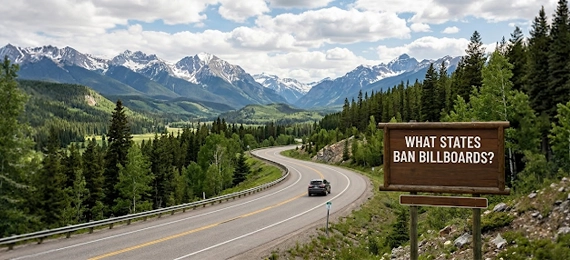
Have you ever been cruising down the highway, completely lost in a great song and marveling at the beautiful landscape, only to have your majestic view violently interrupted by a glowing, 50-foot advertisement for a local injury attorney or an exit-ramp gas station? If you are tired of the visual clutter and are wondering which states ban billboards, you have landed in exactly the right place.
We are taking a fun, relaxed road trip through the selected few places in America that have declared war on the giant roadside ad. It turns out you can actually drive for hours in some parts of the country without a single neon sign demanding that you “EAT HERE” or “BUY THIS.” Let’s dive into the fascinating history of highway beautification and uncover the spectacular regions that keep their horizons completely free of commercial interruptions.
What States Ban Billboards?
Four U.S. states ban off-premises billboards: Hawaii, Alaska, Vermont, and Maine. These states prohibit most roadside billboard advertising to preserve scenic beauty, reduce visual clutter, and promote tourism.
What was the first US state to ban billboards?
- A. Vermont
- B. Alaska
- C. Hawaii
- D. Maine
| State | Billboard Ban Year | Main Reason |
| Hawaii | 1927 | Scenic preservation |
| Alaska | 1959 | Natural landscape protection |
| Vermont | 1968 | Highway beautification |
| Maine | 1977 | Tourism and coastal preservation |
States That Banned Billboards
There are exactly four US states that have completely outlawed off-premises outdoor advertising. That is right—just four! While the rest of the country is covered in massive digital screens and vinyl posters, these four trailblazers decided that their natural landscapes were simply too pretty to cover up with consumer messaging.
1. Hawaii: The Tropical Trailblazer
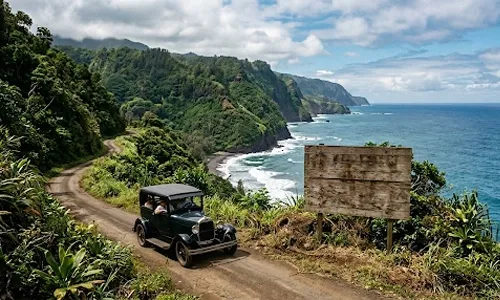
If you are asking what was the first US state to ban billboards, look no further than the breathtaking islands of Hawaii. Hawaii actually banned these massive signs way back in 1927. The local organization known as The Outdoor Circle led a passionate campaign to ensure that Hawaii’s pristine beaches, lush green mountains, and volcanic landscapes remained the star of the show. Imagine driving the winding Road to Hana and suddenly seeing a gigantic sign for discounted swimwear. Horrifying, right? Hawaii thought so too, which is why they knocked it out of the park almost a century ago.
2. Alaska: The Final (and Ad-Free) Frontier
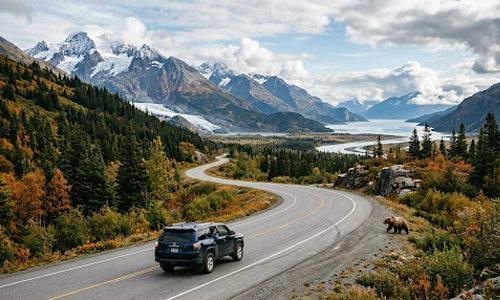
Alaska does everything on a grand scale, except for outdoor advertising. When Alaska officially became a state in 1959, their very first legislature immediately confirmed a strict ban on billboards. They recognized early on that the state’s rugged, untamed beauty was its greatest asset. Alaska remains one of those phenomenal states with no billboards where you can drive for days and see nothing but towering glaciers, vast tundras, and wandering wildlife. Trust us, it is infinitely better to spot a grizzly bear in its natural habitat than to stare at a roadside ad for a fast-food burger.
3. Vermont: Keeping the Green Mountains Green
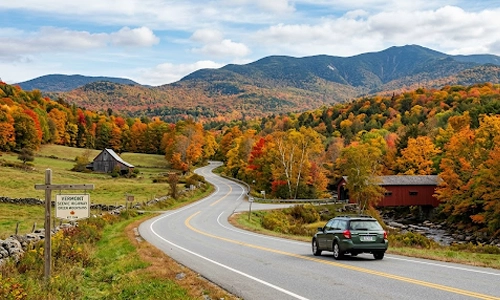
In 1968, Vermont decided it had seen quite enough of the visual noise. Famous for its breathtaking autumn foliage, charming covered bridges, and delicious maple syrup, Vermont enacted a rigid law to protect its scenic highways. The state realized that tourists were traveling thousands of miles to see the Green Mountains, not green neon signs. Today, driving through Vermont feels exactly like stepping into a beautiful, uninterrupted postcard.
4. Maine: The Pine Tree State Keeps It Natural
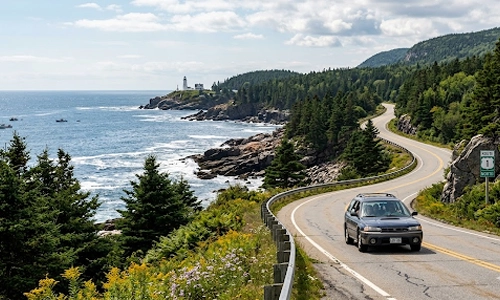
Rounding out our fabulous four is Maine, which joyfully jumped on the bandwagon in 1977. Maine is world-famous for its dramatic rocky coastlines, historic lighthouses, and dense pine forests. They passed their billboard ban to preserve the state’s natural charm and boost eco-tourism. Instead of looking at faded vinyl signs, drivers cruising up Route 1 are treated to sweeping, unobstructed views of the Atlantic Ocean. It is relaxed, it is gorgeous, and it is entirely ad-free.
Where Are Billboards Illegal at the Local Level?
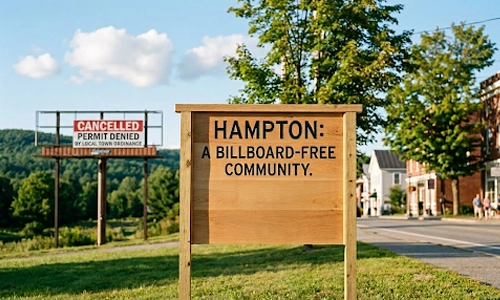
You might be thinking, “Okay, only four states? That seems terribly low.” So, where are billboards illegal on a smaller scale? Fortunately, you do not have to pack your bags and move to Alaska or Hawaii just to escape the advertising frenzy. According to the Scenic America organization, more than 1,500 municipalities across the United States have restrictions or bans on billboards.
Some cities take a highly targeted approach to cleaning up their streets. For instance, in 1994, Baltimore boldly became the first city to generally prohibit billboards from displaying alcohol and tobacco advertisements to protect public health (Garner, 1996). So, even if you do not reside in one of the big four states, your local town council might already be fighting the good fight against visual pollution!
The Brilliant Benefits of States Where Billboards Are Illegal
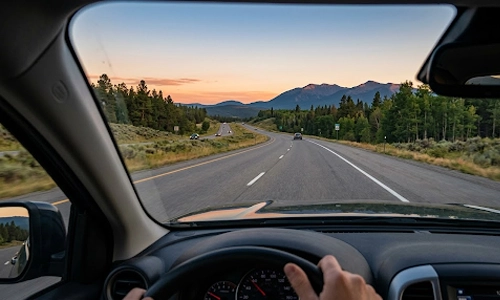
Living in or visiting states where billboards are illegal dramatically changes how you experience the open road. Historically, the public has always had a complicated relationship with outdoor advertising. Even during the first half of the 20th century, there was surprisingly strong public antipathy toward the aggressive spread of massive roadside signs (Loshin, 2006). People genuinely want to connect with their natural environment.
When you strip away the giant, distracting signs, the benefits are immediate. First, it significantly reduces driver distraction. It is undeniably hard to keep your eyes on the road when a glowing digital screen flashes a brightly colored mattress ad every seven seconds. Second, it levels the playing field for local businesses, as they do not have to compete with massive corporate budgets for highway airtime. Lastly, it turns the simple act of driving into a peaceful, scenic, and deeply relaxing journey.
Why These States Chose Scenic Beauty Over Advertising
While most American highways are lined with advertising, Hawaii, Alaska, Vermont, and Maine chose a different path. By banning billboards, these states protect their natural beauty, reduce distractions for drivers, and create more enjoyable travel experiences. Whether you’re driving along Hawaii’s coastlines or through Vermont’s rolling countryside, the absence of giant roadside advertisements allows the scenery to take center stage.
Which states ban billboards?
Hawaii, Alaska, Vermont, and Maine are the only U.S. states with statewide billboard bans.
What was the first state to ban billboards?
Hawaii became the first state to ban billboards in 1927.
Why do some states ban billboards?
States ban billboards to preserve scenic landscapes, reduce visual pollution, and improve tourism appeal.
Is Kansas one of the states that ban billboards?
No. Kansas allows billboards and does not have a statewide ban.
Are billboards illegal in cities?
Many cities and municipalities have local billboard restrictions, even if their state allows them.