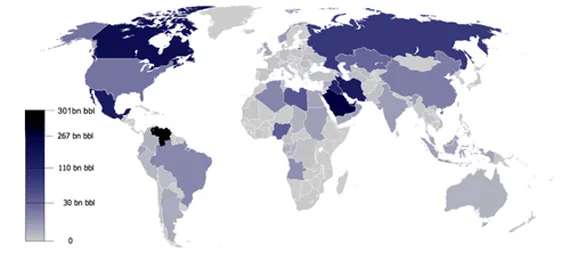
If you’ve ever filled up your gas tank or paid an electricity bill, you’ve felt the ripple effects of something happening thousands of miles away — oil reserves. But how much oil does the world actually have? Who’s sitting on the biggest stash? And are we really running out?
Let’s break it all down with the latest data and some surprising facts.
What Are “Proven Oil Reserves,” Exactly?
Before we get into rankings, let’s clear something up. Not every drop of oil under the ground counts as a “proven reserve.”
Which country holds the world's largest proven oil reserves?
- A. Venezuela
- B. Saudi Arabia
- C. Canada
- D. Iran
Proven reserves — also known as 1P or P90 reserves — are quantities of oil that can be extracted with at least a 90% probability of commercial recovery using current technology and at today’s prices. Think of it as the oil that’s both findable and financially worth going after.
This matters a lot. A country can have enormous amounts of oil underground but still struggle to actually pump it out. Venezuela is the perfect example — more on that in a moment.
How Much Oil Does the World Have Right Now?
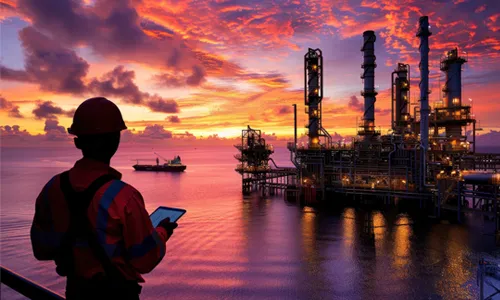
Here’s the headline number: approximately 1,567 billion barrels of proven crude oil reserves exist worldwide as of year-end 2024, according to the OPEC Annual Statistical Bulletin 2025.
To put that into perspective:
- The world burns through roughly 103 million barrels of oil every single day
- At that pace, we have about 47 years’ worth of oil left at current consumption rates
- That’s roughly until the year 2071
Now, don’t panic just yet. That figure doesn’t account for discoveries, improved extraction technology, unconventional sources like shale oil and tar sands, or the massive push toward renewable energy. The oil industry has repeatedly revised reserve estimates upward as technology improves. In 2003, for instance, Canada’s proven reserves jumped dramatically overnight when its oil sands were deemed economically viable.
Top 10 Countries with the Most Oil Reserves in the World
Here’s where it gets interesting. Oil isn’t distributed evenly — not even close.
| # | Country | Proven Reserves (Billion Barrels) | Daily Production (Mb/d) | Reserve Life (Years) | OPEC Member? |
| 1 | Venezuela | ~303 | ~0.8 | ~1,038 | ✅ Yes |
| 2 | Saudi Arabia | ~267 | ~9.0 | ~81 | ✅ Yes |
| 3 | Iran | ~208 | ~3.4 | ~168 | ✅ Yes |
| 4 | Canada | ~163–171 | ~5.8 | ~79 | ❌ No |
| 5 | Iraq | ~145 | ~4.3 | ~92 | ✅ Yes |
| 6 | Russia | ~80–108 | ~10.5 | ~28 | ❌ No (OPEC+) |
| 7 | Kuwait | ~102 | ~2.7 | ~103 | ✅ Yes |
| 8 | UAE | ~113 | ~3.7 | ~84 | ✅ Yes |
| 9 | Libya | ~48 | ~1.2 | ~110 | ✅ Yes |
| 10 | United States | ~38–44 (conventional) | ~13.2 | ~9 | ❌ No |
1. Venezuela — ~303 Billion Barrels
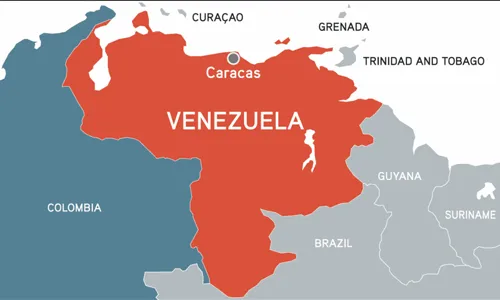
Venezuela holds the world’s largest proven oil reserves, a status it has maintained for over a decade. The catch? Most of Venezuela’s oil is the Orinoco Belt’s extra-heavy crude — think thick, tar-like sludge that requires sophisticated and expensive technology to extract. U.S. sanctions have further crippled the country’s ability to monetize this resource. Despite sitting on more oil than anyone else, Venezuela produces a fraction of what Saudi Arabia pumps daily.
2. Saudi Arabia — ~267 Billion Barrels
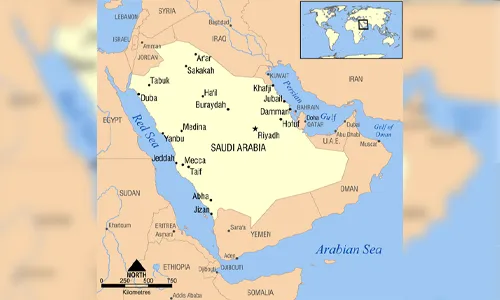
Saudi Arabia is the real king of operational oil power. Its reserves are mostly light, sweet crude sitting close to the surface — cheap to extract at around $35 per barrel. Saudi Arabia is also OPEC’s swing producer, meaning it can intentionally ramp production up or down by millions of barrels per day to influence global prices. That’s an almost unrivaled geopolitical superpower.
3. Iran — ~208 Billion Barrels
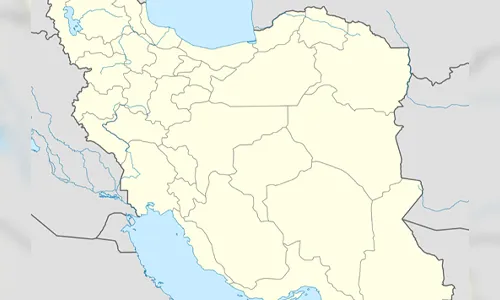
Iran sits third with massive reserves, but Western sanctions have severely limited its ability to export at full capacity. Still, Iranian oil loadings have continued at roughly 1.9 million barrels per day in recent periods — mostly flowing to China.
4. Canada — ~163–171 Billion Barrels
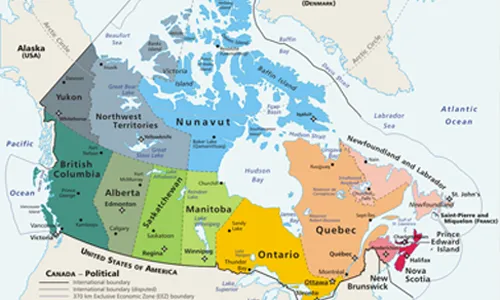
Canada ranks fourth globally, but there’s a major asterisk: 97% of its reserves are locked in Alberta’s oil sands — heavy, tar-like crude that’s expensive, energy-intensive, and controversial to extract. It’s oil, but not the easy kind.
5. Iraq — ~145 Billion Barrels
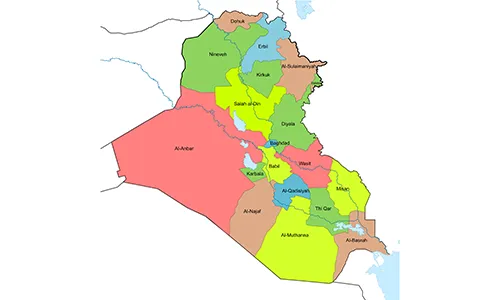
Iraq’s reserves are substantial and relatively accessible, but infrastructure damage from decades of conflict has held back full production potential. Investment is growing, and Iraq remains a critical OPEC producer.
6. Russia — ~80–108 Billion Barrels
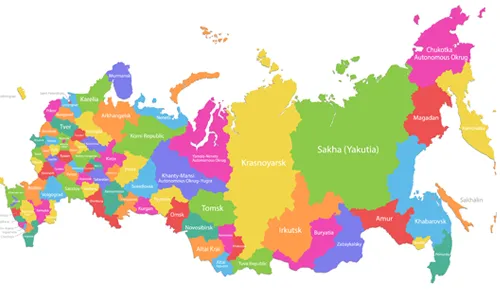
Russia’s exact reserve figure is genuinely murky. Different sources report widely different numbers due to the opacity of Russian reporting. What’s clear is that Russia remains a top-5 global oil producer, though sanctions following its 2022 invasion of Ukraine have disrupted exports significantly.
7. Kuwait — ~102 Billion Barrels
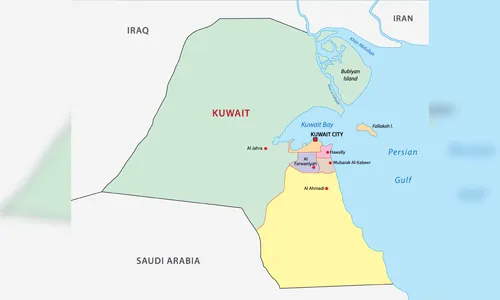
Kuwait is a small country with an outsized oil footprint. Most of its reserves are in the Burgan field — one of the largest conventional oil fields in the world.
8. UAE — ~113 Billion Barrels
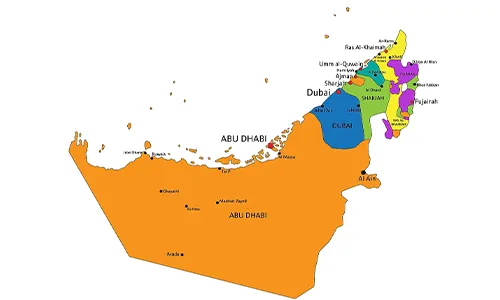
The UAE has smartly diversified its economy but still holds enormous reserves. It also has bypass pipelines that allow it to export oil without going through the Strait of Hormuz — a rare strategic advantage among Gulf producers.
9. Libya — ~48 Billion Barrels
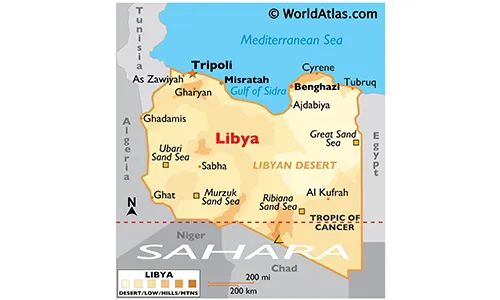
Libya has the largest proven oil reserves in Africa. Political instability has repeatedly disrupted production, but its light, low-sulfur crude is highly sought after when it does flow.
10. United States — ~38–44 Billion Barrels (Conventional)
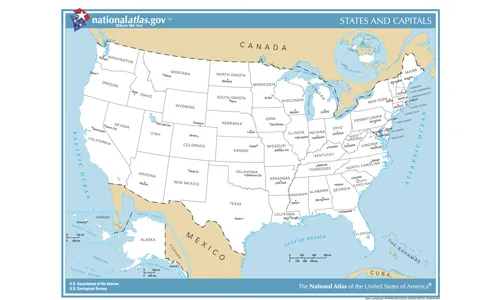
Here’s one of the most counterintuitive facts in global energy: the U.S. is the world’s largest oil producer but doesn’t rank near the top for conventional proven reserves. Why? Because America’s shale revolution unlocked billions of barrels through hydraulic fracturing (fracking) — oil that wasn’t counted in traditional reserve estimates. If you include shale, North America has over 3 trillion barrels of oil resources — though much of it isn’t economically recoverable at current prices.
OPEC’s Stranglehold on Global Supply
OPEC vs. Non-OPEC: Reserves, Production & Market Share (2024–2025)
| Metric | OPEC (13 Members) | Non-OPEC (Rest of World) |
| Proven Reserves | ~1,240 billion barrels | ~327 billion barrels |
| Share of Global Reserves | ~79% | ~21% |
| Daily Production | ~35 million b/d | ~68 million b/d |
| Share of Global Production | ~34% | ~66% |
| Avg. Extraction Cost | $20–$50/barrel | $35–$80+/barrel |
| Notable Members | Saudi Arabia, Iraq, Iran, UAE, Venezuela | USA, Russia, Canada, Brazil, China |
OPEC controls roughly 79% of the world’s proven oil reserves. That’s a massive concentration of a resource the global economy still desperately depends on.
OPEC’s 12 member countries — including Saudi Arabia, Iraq, Iran, Kuwait, UAE, Venezuela, Libya, Nigeria, and others — collectively produced over 35 million barrels of crude oil daily, accounting for about 38% of global supply. Through the broader OPEC+ alliance (which includes Russia), the group controls an even larger share of daily production.
This is exactly why OPEC+ decisions make headlines. When the alliance decides to cut or increase production, it can swing oil prices by $10–$20 per barrel almost overnight, affecting everything from airline ticket prices to the cost of food.
Oil Reserves by World Region (2024)
| Region | Proven Reserves (Billion Barrels) | Share of World Total | Key Countries |
| Middle East | ~836 | ~53% | Saudi Arabia, Iran, Iraq, UAE, Kuwait |
| Americas | ~490 | ~31% | Venezuela, Canada, USA, Brazil |
| Africa | ~125 | ~8% | Libya, Nigeria, Algeria, Angola |
| Europe & Eurasia | ~144 | ~9% | Russia, Kazakhstan, Norway |
| Asia-Pacific | ~48 | ~3% | China, India, Malaysia |
| Total World | ~1,567 | 100% | — |
The Chokepoints That Could Shake the World
It’s not just where the oil is — it’s how it gets to you. Several critical maritime chokepoints control global oil flows, and any disruption to these routes causes immediate market chaos.
Strait of Hormuz
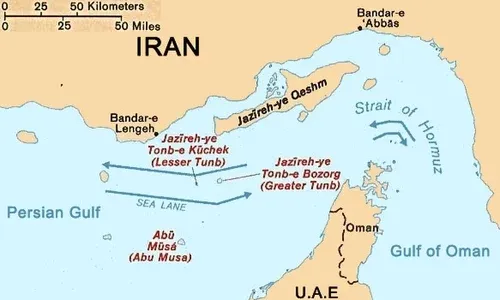
Roughly 34% of global crude oil trade passes through this narrow strait between Iran and Oman. Iraq, Kuwait, Qatar, and Bahrain have essentially no alternative export routes if it’s blocked. Saudi Arabia and the UAE have bypass pipelines, but these can only handle about one-third of their normal export volume. As of early 2026, military conflict in the Middle East has effectively disrupted Strait traffic, sending Brent crude prices surging to over $90 per barrel.
Strait of Malacca
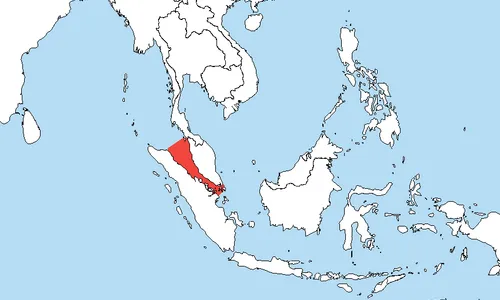
Between Malaysia and Indonesia, this route handled 23.2 million barrels per day in the first half of 2025. It’s the lifeline for oil heading to China, Japan, and South Korea.
Suez Canal & Bab el-Mandeb
Critical routes connecting Middle Eastern and Asian oil to European markets.
A prolonged closure of any major chokepoint doesn’t just raise pump prices — it can trigger global recessions.
Why Venezuela Has More Oil Than Saudi Arabia but Produces Less
Venezuela’s Orinoco Belt holds extraordinary amounts of extra-heavy crude — sometimes described as closer to asphalt than traditional oil. Extracting it requires mixing it with lighter hydrocarbons, then upgrading it in specialized refineries. The entire process is expensive, technically complex, and requires massive upfront investment.
Saudi Arabia’s oil, by contrast, is largely conventional light crude sitting close to the surface in a geologically stable region with decades of built-out infrastructure. The extraction cost difference is enormous — Saudi Arabia at ~$35/barrel vs. Venezuela’s heavy oil which can cost $60–$80+ per barrel to extract and upgrade.
Factor in U.S. sanctions, political instability, and years of under-investment in Venezuela’s energy sector, and you have the world’s largest reserve holder producing a tiny fraction of its potential.
The Rise of New Players: Guyana and Brazil
While the established players dominate the headlines, some of the most exciting oil stories are happening in the Americas.
Guyana
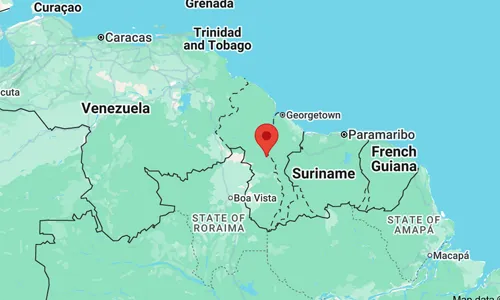
It went from an oil-unknown nation to a major reserve holder almost overnight. Its proven reserves of around 11 billion barrels were essentially discovered and delineated only since 2015 — making it one of the fastest transformations from exploration frontier to significant producer in modern oil history.
Brazil
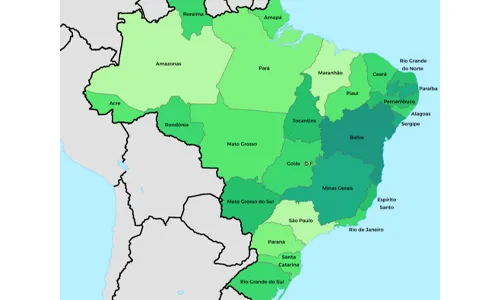
It has been quietly building a deepwater oil empire. Backed by massive pre-salt offshore fields, Brazil broke through 4.0 million barrels per day for the first time in October 2025, making it one of the world’s fastest-growing producers.
These new entrants are reshaping supply dynamics and giving major consumers more options beyond OPEC+ nations.
How Long Will the World’s Oil Last?
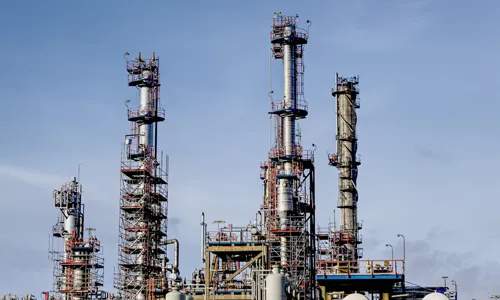
At current consumption rates (~103 million barrels/day), proven conventional reserves last about 47 years. But that calculation is deceptively simple. Here’s the reality:
- New discoveries keep adding to the total. Guyana, Brazil, and offshore Africa are actively expanding the global reserve base.
- Technology improvements regularly make previously uneconomic reserves viable. Fracking is the most famous example.
- Unconventional oil — shale, tar sands, deepwater — vastly expands the available resource base beyond conventional proven reserves.
- Demand is evolving. The IEA projects global oil demand growth will slow dramatically after 2026 as electric vehicles, renewable energy, and efficiency improvements chip away at consumption. Demand from combustible fuels could actually peak as early as 2027, according to the IEA’s Oil 2025 report.
The real threat to oil isn’t running out — it’s the risk of stranded assets: reserves that are proven to exist but can never be commercially burned if the world meets its climate targets.
What’s Driving Oil Demand?
Even as transportation shifts toward EVs, oil demand isn’t collapsing anytime soon. Here’s what’s keeping demand elevated:
Petrochemicals are the big story. Plastics, fertilizers, pharmaceuticals, synthetic fibres, and packaging all require oil as a feedstock — and demand for these products is growing fast, especially in developing nations. The IEA expects petrochemicals to become the dominant driver of global oil demand growth from 2026 onwards, with polymers and synthetic fibres alone requiring 18.4 million barrels per day of oil by 2030.
- Aviation and shipping still run almost entirely on oil-derived fuels, and realistic alternatives remain years away from mass deployment.
- Emerging markets in Asia, Africa, and Latin America are industrializing rapidly — and that process is energy-hungry.
Meanwhile, global EV sales exceeded 17 million units in 2024 and are expected to surpass 20 million in 2025, already displacing an estimated 1.8 million barrels per day of gasoline demand. That’s significant, but it’s barely a dent in a 103-million-barrel-per-day market.
Quick-Fire Facts About Oil Reserves in the World
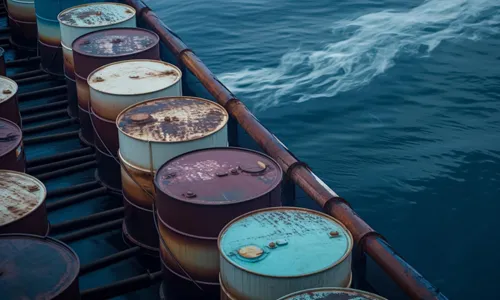
- The world has roughly 1,567 billion barrels of proven crude oil reserves (OPEC ASB 2025)
- That’s enough oil at current rates to last until around 2071
- OPEC nations hold nearly 79% of global proven reserves
- The Middle East alone controls over 50% of global reserves
- Venezuela has the most oil in the ground, but isn’t even a top-5 producer
- The U.S. is the world’s #1 oil producer, but ranks outside the top 10 for conventional reserves
- 34% of all global crude trade passes through the Strait of Hormuz
- Canada’s reserve estimate jumped dramatically in 2003 when oil sands became economically viable
- Brazil and Guyana are two of the fastest-growing reserve holders in the world
- Global oil demand is expected to plateau around 105.5 million barrels/day by 2030
Frequently Asked Questions
Which country has the largest oil reserves in the world?
Venezuela holds the world’s largest proven oil reserves at approximately 303 billion barrels, according to the OPEC Annual Statistical Bulletin 2025. However, most of this oil is ultra-heavy Orinoco Belt crude — expensive and technically difficult to extract. That’s why Saudi Arabia, ranked second with ~267 billion barrels of easy-to-pump light crude, is far more powerful as an actual producer and global price influencer.
How many years of oil does the world have left?
At current consumption of roughly 103 million barrels per day, the world’s proven reserves of ~1,567 billion barrels would last approximately 47 years — until around 2071. But that figure shifts constantly. New discoveries, better extraction technology, and unconventional sources like shale and tar sands regularly push the estimate higher. On the flip side, the global push toward electric vehicles and renewables could reduce demand well before reserves run dry.
How much oil is left in the world in 2026?
As of year-end 2024, the world holds approximately 1,567 billion barrels of proven crude oil reserves, per the OPEC Annual Statistical Bulletin 2025. Broader estimates — including those from Worldometer and the Oil & Gas Journal — place the figure closer to 1.77 trillion barrels, as they apply wider definitions of economic recoverability. Either way, the world is not running out anytime soon, though accessible, cheap-to-extract reserves are gradually thinning.
What percentage of the world’s oil reserves does OPEC control?
OPEC member nations control roughly 79% of the world’s proven oil reserves — approximately 1,240 billion barrels. Despite this dominance, OPEC produces only around 34% of daily global supply, deliberately limiting output to defend prices. This gap between what they hold and what they produce is the core of OPEC’s market power — they can swing global oil prices significantly just by adjusting how much they choose to pump.
Which region has the most oil reserves?
The Middle East dominates global oil reserves with approximately 836 billion barrels — over 53% of the world’s total. Saudi Arabia, Iran, Iraq, the UAE, and Kuwait account for the bulk of this. No other region comes close. The Americas come in second at ~31% (~490 billion barrels), driven largely by Venezuela’s heavy crude and Canada’s oil sands. Africa holds around 8%, and Asia-Pacific a modest 3%.
Why does Venezuela have more oil than Saudi Arabia but produce less?
Venezuela’s reserves are mostly extra-heavy Orinoco Belt crude — thick, tar-like oil that costs $60–$80+ per barrel to extract and upgrade. Saudi Arabia’s light crude costs just ~$35 per barrel and flows easily. On top of the technical challenges, U.S. sanctions, political instability, and years of under-investment have crippled Venezuela’s oil industry. The result: the world’s largest reserve holder produces under 1 million barrels daily while Saudi Arabia pumps over 9 million.
Is the world running out of oil?
Not anytime soon — but the situation is nuanced. The world has roughly 47 years of proven reserves at current consumption rates. Transportation demand is expected to peak around 2027 as EVs expand. The bigger long-term risk isn’t physical scarcity — it’s stranded assets: proven reserves that can never be commercially burned if the world is to meet its climate targets. In that scenario, some of the world’s largest oil holders could be left sitting on worthless wealth.
What is the difference between oil reserves and oil resources?
Proven reserves (1P) are oil quantities extractable with 90%+ probability under current prices and technology. Resources is a far broader term covering all oil that might theoretically exist — including deposits too expensive, too deep, or not yet discovered. North America alone has an estimated 3+ trillion barrels of oil resources, but only a fraction qualifies as proven reserves. The difference matters enormously for investment decisions, national wealth estimates, and energy policy planning.
Which country produces the most oil in the world?
The United States is the world’s largest oil producer at approximately 13.2 million barrels per day as of 2025–2026, powered by its shale revolution through hydraulic fracturing (fracking). This surprises many people — the U.S. ranks outside the top 10 for conventional proven reserves yet leads in production. Russia (~10.5 Mb/d) and Saudi Arabia (~9.0 Mb/d) follow closely, rounding out the top three global producers.
What are strategic petroleum reserves and which country has the most?
Strategic Petroleum Reserves (SPRs) are government-held emergency crude oil stockpiles designed to cushion supply shocks. The United States operates the world’s largest government-owned SPR. Japan held roughly 470 million barrels at end-2025 — enough for 254 days of consumption. China’s SPR isn’t publicly disclosed, though estimates suggest over 1 billion barrels in onshore storage. In March 2026, IEA member nations collectively agreed to release 400 million barrels from emergency reserves to stabilize markets amid Strait of Hormuz disruptions.
Oil reserves in the world aren’t just a geology story — they’re a geopolitics story, an economics story, and increasingly, a climate story. The distribution of reserves is wildly unequal, the ability to actually produce that oil varies dramatically, and the chokepoints that move it around the world are some of the most strategically sensitive places on Earth.
The world isn’t running out of oil tomorrow. But the era of cheap, easy, conventional oil is gradually giving way to a more complex energy landscape — one where technology, policy, and investment decisions will matter just as much as what’s under the ground.