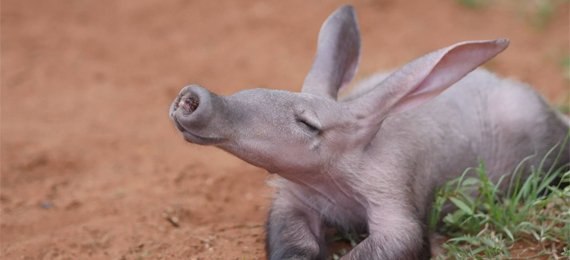
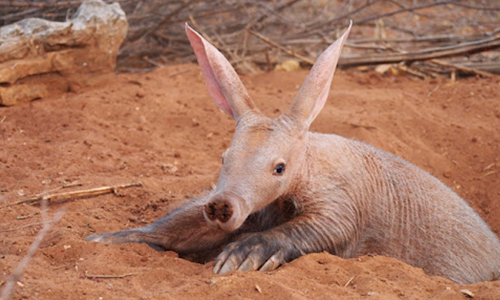
Aardvarks are one of those animals you rarely think about—until you do, and then they blow your mind. With a pig-like snout, rabbit-like ears, and a tail resembling a kangaroo’s, aardvarks are Mother Nature’s odd mash-up. But beyond their unique appearance lies an even more intriguing life. Let’s dig into some of the strangest and most fascinating fact about aardvark you never knew!
1. Aardvarks Are Not Anteaters
Despite their similar insect-eating diet, aardvarks are not related to South American anteaters. They belong to a completely different order—Tubulidentata.
2. They’re the Only Surviving Member of Their Order
The aardvark is the only living species in its order, making it a biological one-of-a-kind.
What is the primary food source for aardvarks?
- A. Grass
- B. Fruits
- C. Ants and termites
- D. Small rodents
3. Aardvarks Have No Teeth Enamel
One surprising fact about aardvark is that their teeth are tubular and lack enamel. They never stop growing throughout their life.
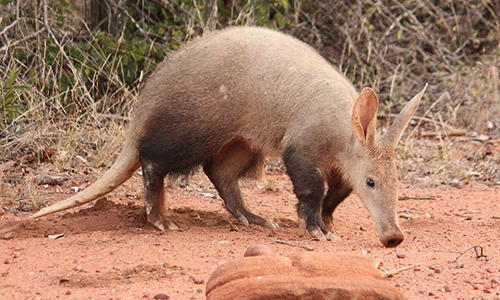
4. Masters of Digging
Aardvarks can dig a yard of soil in under 5 minutes. They use their powerful claws to tunnel into the earth in search of food or shelter.
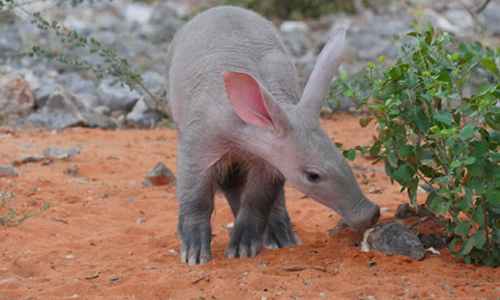
5. Nocturnal and Shy
These animals are nocturnal, spending their nights foraging and their days hiding in burrows to avoid predators and heat.
6. Ants and Termites Are Their Main Course
Aardvarks use their 10-inch-long sticky tongue to gobble up up to 50,000 insects a night, mostly ants and termites.
7. Aardvark Tunnels Benefit Other Animals
Once an aardvark abandons a burrow, it often becomes home to warthogs, wild dogs, hyenas, or reptiles.
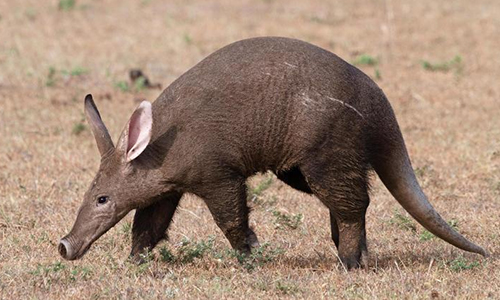
8. Found Only in Africa
You’ll only find aardvarks in Sub-Saharan Africa, where dry soil and an abundance of termites make for ideal habitat.
9. Aardvark Means “Earth Pig”
The word “aardvark” comes from Afrikaans/Dutch, meaning “earth pig” due to their digging habits and pig-like snout.
10. Excellent Sense of Smell
Aardvarks have poor eyesight but incredible sense of smell, helping them detect termites underground.
Frequently Asked Questions
What is the scientific name of an aardvark?
Orycteropus afer is the scientific name of the aardvark.
Are aardvarks endangered?
No, they are currently listed as Least Concern, though habitat loss is a growing threat.
Can aardvarks be domesticated?
No, aardvarks are wild, solitary, and nocturnal animals not suited for domestication.
What do aardvarks eat besides ants and termites?
Occasionally they eat soft fruits like cucumbers, especially the “aardvark cucumber.”
How big can an aardvark get?
Adult aardvarks can weigh between 130–180 pounds and measure 3 to 4 feet in length, excluding the tail.
How do aardvarks protect themselves?
They dig fast to escape and also defend themselves with strong claws if threatened.