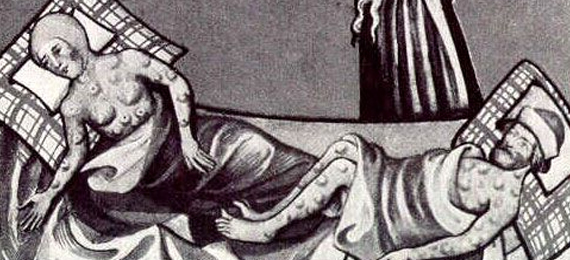
When people talk about the Black Death, we picture plague doctors, abandoned towns, and a tragedy that wiped out nearly half of Europe. Now the question is, did the Black Death tweak European genes? Scientists now believe that the medieval pandemic permanently altered human DNA.
So yes, a 14th-century disease may still be living inside us today… not as a germ, but as a genetic imprint.
Let’s explore the chilling and mind-blowing journey of how a pandemic changed evolution.
What caused the Black Death?
- A. Influenza virus
- B. Yersinia pestis
- C. E.coli bacteria
- D. Smallpox virus
What Was the Black Death Again?
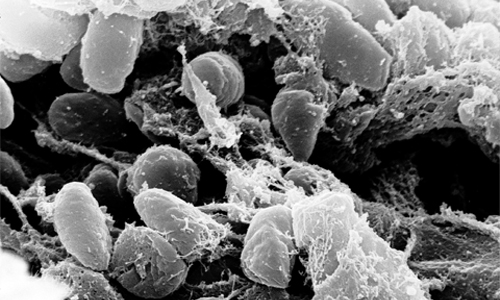
The Black Death (1346–1353) was caused by the bacterium Yersinia pestis and resulted in one of the most devastating pandemics in human history. It killed an estimated 50 to 200 million people, reshaping society, culture, religion, and now — according to new research — our genes.
The Genetic Discovery That Shocked Scientists
A pathbreaking study from McMaster University and the University of Chicago analyzed bones from plague-era burial sites in London and Denmark. What they found was stunning:
Certain genetic variants that helped people survive the Black Death were passed on to future generations.
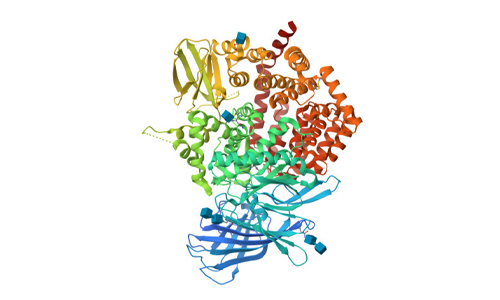
One standout gene: ERAP2
| Gene | Impact |
| ERAP2 | Increased ability to fight plague bacteria |
People who had this version of the ERAP2 gene were more likely to survive and, therefore, more likely to have children who inherited the same genetic advantage. This is how the Black Death tweaked European genes through natural selection.
Evolution Has a Cost
Here’s the unexpected downside.
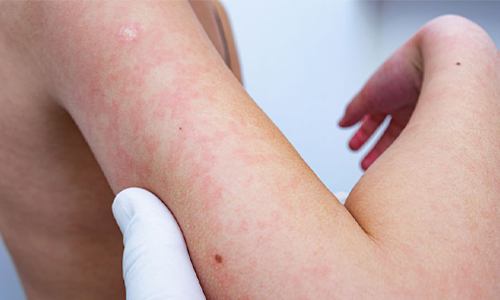
The same genetic traits that protected Europeans from plague may now increase the risk of autoimmune diseases such as:
- Crohn’s disease
- Lupus
- Rheumatoid arthritis
In other words, surviving the plague may have turned on a “super immune switch” — and that switch sometimes goes too far today, attacking the body instead of protecting it.
Evolution can be helpful… and complicated.
Real-World Example of Genetic Evolution
Think of it like this:
| 1347 | 2025 |
| Genes shifted to fight deadly plague | Genes may overreact to harmless triggers |
| Selection made the immune system ultra-aggressive | The immune system may cause modern autoimmune disorders |
Humanity survived the Black Death… but evolution doesn’t always give gifts without consequences.
Trivia Facts
| Fact | Did You Know? |
| Death toll | Up to 60% of Europeans died |
| Spread by | Fleas on rats — and airborne droplets |
| First major outbreak | Mongolia → Silk Road → Europe |
| Oldest plague samples | Over 5,000 years old |
| Still exists today | 1,000+ cases reported yearly worldwide |
Yep — the plague still exists, but medicine makes it treatable now.
Frequently Asked Questions
Did the Black Death reshape human DNA?
Yes — evidence shows it altered immune-related genes in European populations.
Did everyone inherit the plague-resistant gene?
Not everyone, but the advantageous genes became more common over centuries.
Does the Black Death still affect us today?
Indirectly — some immune disorders trace back to the same genetic traits that once offered protection.
Can evolution happen in just a few centuries?
Yes — pandemics and survival pressures can accelerate genetic change.
Why did Europeans survive the Black Death better over time?
Genetic selection favored people with immune traits that fought plague-causing bacteria effectively.
Did children inherit immunity from plague-surviving parents?
They inherited genetic adaptations, not immunity. But these genes improved their chances of survival when future outbreaks occurred.
Does plague resistance protect from all infections?
No — genetic traits are disease-specific.
Is plague I-related evolution unique to Europe?
No — genetic adaptation happens worldwide, but this particular effect is clearest in European populations due to historical DNA records.
- The Black Death tweaked European genes
- Genetic survivors passed on plague-resistant traits
- Those same traits may now be linked to autoimmune disorders
A medieval pandemic didn’t just change history… It rewrote human biology.