You’re standing on the tee, eyes locked on the fairway, when a curious thought sneaks into your mind—how many dimples are on a golf ball? Sure, it’s not the kind of thing that’ll help your swing (or will it?), but believe it or not, those tiny dimples have a huge job! These little aerodynamics experts turn a basic shot into something far more magical, helping the ball cut through the air like a pro. Ready to dive into the science behind these mysterious dimples? Spoiler: there are more than you think, and they’re more important than you’d ever imagine.
Why Do Golf Balls Have Dimples?
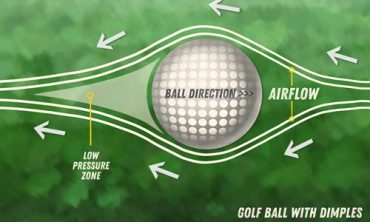
Dimples aren’t just for decoration, they affect how air flows around the ball. When a golf ball is hit, dimples reduce air resistance (drag) and create lift. This allows the ball to travel far and more accurately. Without dimples, a smooth golf ball would travel less distance and be harder to control. The dimples help stabilize the ball in the air and provide the necessary spin and lift for different types of shots.
What was the first material used to make golf balls?
- A. Leather
- B. Rubber
- C. Wood
- D. Plastic
The Evolution of Dimples in Golf Balls

Golf balls didn’t always have dimples. In the early days, golf balls were smooth, made from wood or leather stuffed with feathers. As the sport evolved, players noticed that older, scuffed-up balls traveled far more than brand-new ones. This led to the discovery that imperfections, like bumps and cuts, improved the ball’s flight. Manufacturers soon began designing balls with intentional textures, and over time, the small dimples we see today became standard.
Today, every golf ball is carefully engineered with dimples to maximize performance. But why do they work so well?
The Fact
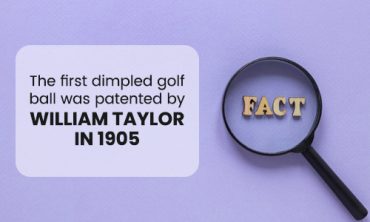
The first dimpled golf ball was patented by William Taylor in 1905.
Do More Dimples Mean Better Performance?

Having more dimples on a golf ball doesn’t always mean it will perform better. While the number of dimples can affect how the ball flies, the pattern, depth, and design of the dimples are also important. Too many dimples can reduce lift, while too few can create too much drag. Manufacturers aim to balance the number and design of dimples to improve distance, control, and spin.
Different brands design their balls for various types of players, which is why some have more or fewer dimples. So, more dimples don’t always mean a better fit for your game.
Quick Insight
The number of dimples on a golf ball typically ranges between 300 and 500, but performance is about quality, not just quantity.
The Exact Estimate of Dimples on Golf Balls
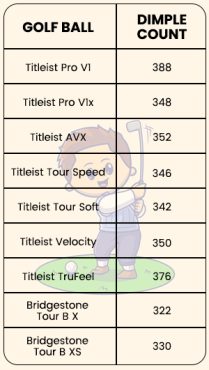
The number of dimples on a golf ball varies depending on the brand and model. Most golf balls have between 300 and 500 dimples, with the average being around 336 dimples. Some balls, like the Titleist Pro V1, have 352 dimples, while others might have a bit more or less, depending on the manufacturer’s design goals.
Different Dimple Patterns and Their Effects
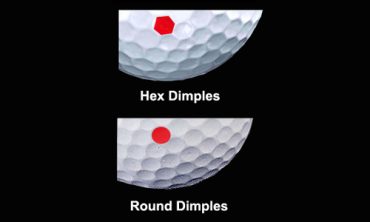
Dimple patterns also play a huge role in a golf ball’s performance. Not all dimples are created equal; different shapes (circular, hexagonal, or other designs) and patterns affect how the ball spins and flies. For example,
- Circular dimples are most common and help with consistent flight.
- Hexagonal dimples, used in some brands, can provide more stability and reduce air drag.
Manufacturers experiment with different patterns to create balls that cater to various playing styles, from maximizing distance to offering more control.
What is the Size of the Dimples on a Golf Ball?
The size of the dimples on a golf ball typically ranges between 0.010 to 0.020 inches in depth. This might seem like a tiny detail, but the depth of the dimples is key to how the ball behaves in the air. Shallower dimples can reduce drag but might not create as much lift, while deeper dimples provide more lift but may increase drag. This balance between dimple size and depth is crucial in designing a high-performing golf ball.
Common Golf Balls and Their Dimple Count
Can I Buy a Golf Ball That Doesn’t Have Dimples?
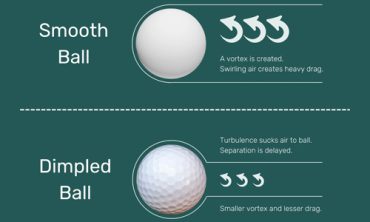
Yes, you can use smooth golf balls, but it’s not a good idea. They are still available for display purposes, but they’re not meant for playing. Without dimples, a golf ball would fly unpredictably and not go very far. The smooth surface wouldn’t provide the lift and control that dimples offer, making it a poor choice for serious golfers.
Golf Ball Dimensions
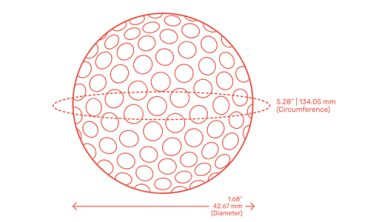
Golf balls may look small and simple, but their dimensions are precisely regulated to ensure fair play in both casual and professional games.
1. Diameter of a Golf Ball
The diameter of a regulation golf ball is 1.68 inches (42.67 mm). This size is set by the USGA (United States Golf Association) and the R&A (The Royal and Ancient Golf Club of St Andrews), which are the two major governing bodies of golf worldwide. This standard diameter ensures that all golf balls, whether used in casual or competitive play, have the same size, promoting fairness.
2. Weight of a Golf Ball
A golf ball can weigh no more than 1.62 ounces (45.93 grams). This maximum weight allows for the ball to travel at optimal speed and distance without giving an unfair advantage. Lighter balls wouldn’t fly as far, while heavier balls could gain extra momentum, which is why this specific weight is the standard across the game.
3. Dimple Depth and Size
The depth of the dimples on a golf ball typically ranges between 0.010 to 0.020 inches. While this may seem small, the depth of each dimple plays a crucial role in how the ball interacts with the air around it. Deeper dimples can provide more lift, while shallower dimples can reduce drag, influencing the overall flight path of the ball.
4. Circumference of a Golf Ball
Given the standard diameter, a golf ball’s circumference (the distance around the ball) is about 5.28 inches (134.05 mm). This rounded measurement helps maintain the consistency of the ball’s flight and ensures uniformity across all balls.
Why These Dimensions Matter
The size and weight of a golf ball are carefully regulated to maintain fairness and consistency in the game. These dimensions affect how the ball is struck, how it travels through the air, and how far it rolls once it hits the ground. Whether playing in a local tournament or watching the pros, every golf ball on the course will adhere to these precise measurements.
Dimples might look like a small detail, but they are important for how a golf ball performs. They help improve flight and control spin. The design of the dimples, along with the size and weight of the ball, is all aimed at helping players get the best results with every shot. Whether you’re a beginner or a seasoned player, knowing how dimples influence your game can guide you in choosing the best ball for your style.