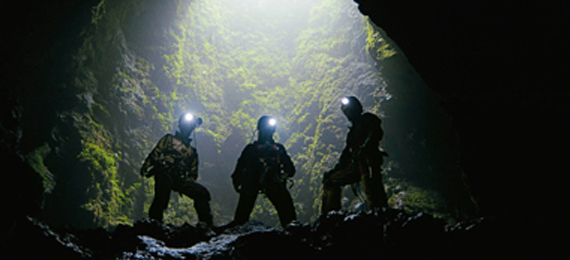
From the narrow tunnels of Wind Cave to the waterlogged passages of Florida’s Wakulla Springs, cave explorers have been mapping and discovering the subterranean world for centuries. What once started as a curious descent into darkness has now evolved into a sport, science, and cultural phenomenon. This blog is your all-in-one guide to caving, also known as spelunking, including iconic personalities, top destinations, essential equipment, and tips for beginners.
Who Are Cave Explorers?
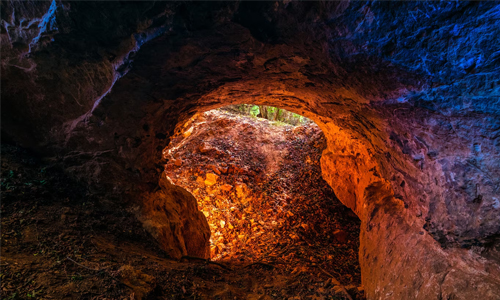
Cave explorers, often called cavers or spelunkers, are adventurers who investigate natural underground spaces. Whether driven by scientific inquiry, personal challenge, or the pursuit of discovery, they enter some of the most hidden and awe-inspiring locations on Earth.
What essential gear combination helps protect your head and light your way inside a cave?
- A. Beanie and flashlight
- B. Helmet with headlamp
- C. Hard hat and candle
- D. Sunglasses and LED torch
10 Famous Cave Explorers and the Caves They’ve Charted
From squeezing through impossibly tight passages to diving into dark underwater caverns, these cave explorers (also known as cavers or spelunkers) have pushed human boundaries in some of the most unforgiving environments on Earth:
Sheck Exley
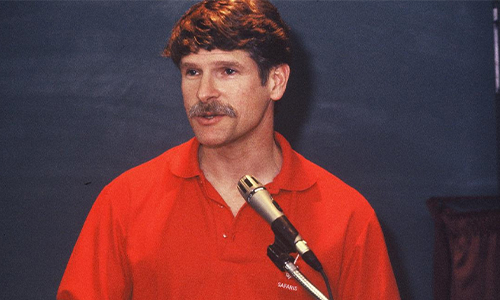
Explored Florida’s Wakulla Springs and Sistema Nohoch Nah Chich in Mexico. A legendary figure in cave diving, known for depth records and developing diving safety protocols.
Bill Stone
Known for exploring Sistema Huautla in Mexico, one of the deepest caves in the world. He also developed life-support tech for long cave missions and future Mars explorations.
Ricky Stanton
A British cave diver famed for leading the dramatic 2018 Tham Luang cave rescue in Thailand, saving 12 boys and their coach.
Veronika Mikos
Explored caves in the Aggtelek Karst region in Hungary and Slovak Karst, contributing to conservation-focused cave exploration.
Chris Jewell
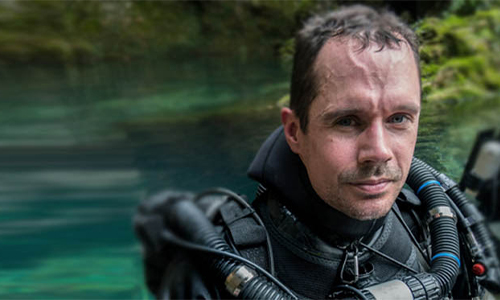
From the Thai cave rescue team, known for cave diving explorations in the UK’s Wookey Hole Caves and Cheddar Gorge.
Rob Parker
Conducted critical mapping of Lechuguilla Cave in New Mexico, the 8th longest cave in the world, known for its unique mineral formations.
Michel Siffre
Explored Scarasson Cave in the French Alps and famously conducted underground isolation experiments to study human perception of time.
Patricia Kambesis
A trailblazer in cave cartography, she mapped many cave systems, including parts of Mammoth Cave (Kentucky), the world’s longest known cave.
Martyn Farr
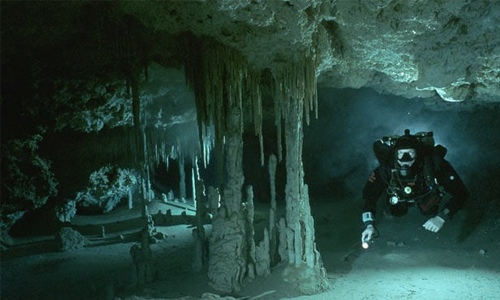
A pioneer in British and international cave diving, including explorations of Ogof Ffynnon Ddu and Dan yr Ogof in Wales.
Alexander Klimchouk
Helped discover the depths of Krubera Cave in Georgia (Arabika Massif), once considered the deepest cave in the world at over 7,200 feet deep.
Cave Explorers Who Lost Their Lives in the Depths
Sheck Exley
One of the most legendary cave divers in history, Exley died in 1994 while attempting to set a world record at Sistema Zacatón in Mexico. His death is believed to be due to acute nitrogen narcosis or equipment malfunction at extreme depth.
Dave Shaw
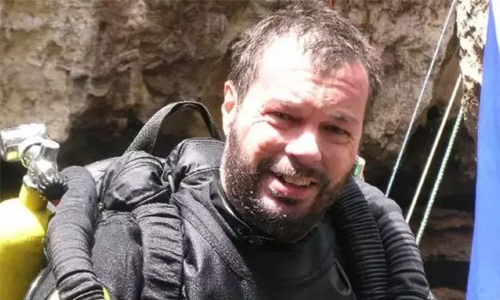
An experienced cave diver, Shaw died in Boesmansgat Cave, South Africa, in 2005 during an attempt to recover a fellow diver’s body from a previous expedition. He suffered from blackout due to extreme pressure at depth.
John Edward Edwardes
Died in 1995 while diving in Wookey Hole Caves, England. Despite being well-trained, a suspected equipment failure led to his drowning.
John Edward Jones
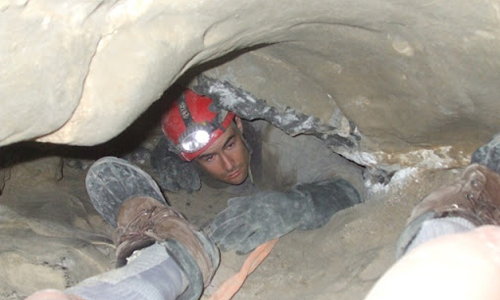
Not a professional explorer, but his story deeply impacted the caving community. In 2009, he became stuck in Utah’s Nutty Putty Cave, and tragically died after 26 hours despite massive rescue efforts. His body was never recovered and the cave was permanently sealed.
Artur Kozłowski
One of Ireland’s top cave divers, Kozłowski died in 2011 while diving in Pollonora Cave, Ireland. He was known for setting record-breaking cave dive depths in the region.
Ben McDaniel (Disappearance)
While not confirmed dead, McDaniel disappeared during a solo dive in Vortex Spring, Florida, in 2010. Despite extensive searches, his body was never found, leading to speculation and theories about his fate.
Jim Bowden’s Diving Partner – Parker Turner
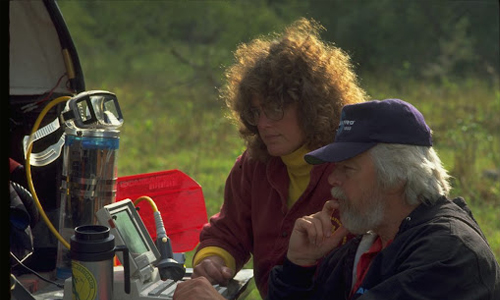
During a 1992 deep dive at Sistema Zacatón, Parker Turner died from equipment failure at extreme depths, despite being alongside the experienced Jim Bowden.
Deon Dreyer
Died in 1994 at Boesmansgat Cave, and his body remained unrecovered for a decade until Dave Shaw attempted to retrieve it—only to perish in the same cave.
Richard Stanton’s Dive Partner- Eric Establie
Establie died during a 2010 cave dive in Ardèche, France, when he became trapped behind a silted-out restriction. Rescue attempts were unsuccessful.
David Shaw’s Recovery Partner – Don Shirley (Survived, but suffered)
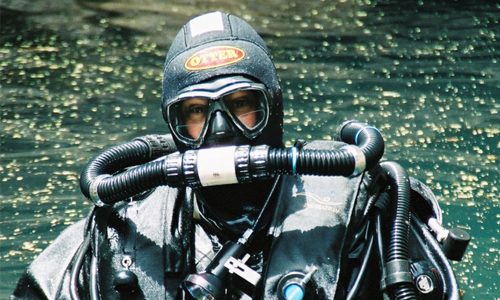
While he survived, Don Shirley was critically injured during Shaw’s fatal dive and suffered permanent inner ear damage.
Spelunking & Cave Diving FAQ: Gear, Safety, and Top Sites
What equipment do I need for caving?
Caving (or spelunking) involves navigating rugged, pitch-dark environments. Here’s what you’ll need:
- Helmet with mounted headlamp (plus extra batteries)
- Sturdy waterproof boots for grip and protection
- Gloves and kneepads to shield against sharp rocks and tight passages
- Backpack stocked with water, snacks, and a first-aid kit
- Ropes and harness if vertical climbing is involved
Your gear may vary depending on whether you’re visiting a tourist-friendly dry cave or embarking on a more advanced expedition.
Why is a helmet with a headlamp so important?
Caves are completely dark and filled with unpredictable terrain. A helmet protects your head from bumps and falling rocks, while a headlamp ensures your hands stay free and your path illuminated.
Can beginners go spelunking?
Yes—but start simple. Look for dry, commercial caves that offer guided tours. A quick search for “cave exploring near me” can help you find beginner-friendly locations. Always go with a group, tell someone your plans, and follow Leave No Trace principles.
Do I need different gear for cave diving?
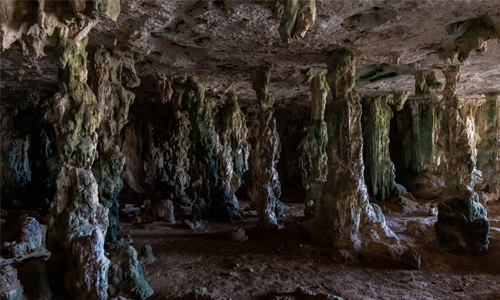
Absolutely. Cave diving is a completely different ball game from dry caving. In addition to scuba training, cave divers need:
- Redundant air supplies (e.g., twin tanks or side-mount setup)
- Dive computers and backup gauges
- Reel and line systems
- Dive lights (primary and backups)
- Wet or dry suit, depending on water temperature
- Buoyancy control gear
Is cave diving safe for beginners?
No. Cave diving is extremely risky and requires specialized training. If you’re new to diving, start with open water certification, progress to cavern diving, and only attempt full cave dives under the guidance of certified instructors.
What makes cave diving so dangerous?
Unlike open water, you can’t ascend directly to the surface in a cave. Poor visibility, tight passages, and disorientation are serious risks. Equipment failure or poor air management can be fatal. Only attempt this activity if you’re fully trained.
What are the top cave diving locations in the world?
Here are three legendary sites known for their beauty—and their challenges:
- Wakulla Springs, Florida (USA) – A vast system with a rich history of exploration
- Dos Ojos, Mexico – Known for its crystal-clear water and accessibility for trained divers
- Blue Hole, Dahab, Egypt – Stunning and infamous, this spot has claimed many lives
These locations are suitable only for experienced, certified cave divers.
Do I need to buy all my caving gear upfront?
Not at all. Beginners can rent or borrow gear from outdoor or spelunking clubs. As you gain experience, invest in high-quality equipment that matches your style of exploration—whether it’s dry caving, vertical descents, or cave diving.
How can I practice cave safety?
Here are golden rules every caver and cave diver should follow:
- Never explore alone
- Inform someone of your plans and estimated return time
- Use a buddy system
- Carry backup lights and gear
- Leave caves as you found them—no graffiti or touching delicate formations
Best Caves to Explore in the US
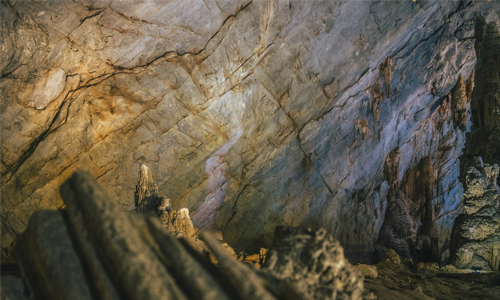
- Carlsbad Caverns (New Mexico) – A massive show cave with a 750-foot descent.
- Mammoth Cave (Kentucky) – The world’s longest known cave system.
- Wind Cave (South Dakota) – Known for its unique boxwork formations and historical cave explorers like Alvin McDonald.
- Jewel Cave (South Dakota) – A great spot for spelunking and geological studies.
- Luray Caverns (Virginia) – Ideal for cave exploring for beginners with paved paths and guided tours.
Cave explorers are not just adrenaline junkies; they’re historians, geologists, scientists, and thrill-seekers. Whether you’re planning a weekend crawl or training for a cave diving expedition, there’s a world beneath your feet waiting to be discovered. So grab your caving gear, choose your trail, and prepare for an unforgettable journey into the Earth’s most mysterious corners.