Sports
Football League
Soccer
Basket Ball
Baseball
Ice Hockey
Tennis
Golf
Auto Racing
Wrestling
Badminton
Entertainment
Fashion
Movies
Music
Pop Culture
Beauty
Famous Celebrities
Awards
TV Shows
General
Technology
What, Why & How
Weird Facts
Modern Gadgets
Weird laws
History
Inventions
Architecture
Culture
Natural Disasters
Ancient History
Kings & Queens
Famous Monuments
Literature
War History
U.S History
Brands
Us trivia
Washington DC
California
Texas
Hawaii
Florida
New York
Colorado
Pennsylvania
New Jersey
Minnesota
Arizona
Georgia
Ohio
Michigan
Alaska
Indiana
Vermont
Virginia
More
Happening Now
Science
Animals
Aquatic Life
Discoveries
Disease
Human Body
Space Science
Species
Travel
Famous Cities
Geography
Interesting Facts
Popular Countries
Top Destinations
Tourist Attractions
Holiday
Christmas Trivia
New Year’s Trivia
Valentine’s Day Trivia
St. Patrick’s Day
Easter Trivia
Labor day
Halloween
Search
Search
Sports
Football League
Soccer
Basket Ball
Baseball
Ice Hockey
Tennis
Golf
Auto Racing
Wrestling
Badminton
Entertainment
Fashion
Movies
Music
Pop Culture
Beauty
Famous Celebrities
Awards
TV Shows
General Knowledge
Technology
What, Why & How
Weird Facts
Modern Gadgets
Weird laws
History
Inventions
Architecture
Culture
Natural Disasters
Ancient History
Kings & Queens
Famous Monuments
Literature
War History
U.S History
Science
Animals
Aquatic Life
Discoveries
Disease
Space Science
Species
Human Body
Happening Now
Brands
Us trivia
Washington DC
California
Texas
Hawaii
Florida
New York
Colorado
New Jersey
Minnesota
Vermont
Colorado
Pennsylvania
New Jersey
Minnesota
Arizona
Georgia
Ohio
Michigan
Alaska
Indiana
Vermont
Virginia
Travel
Famous Cities
Geography
Interesting Facts
Popular Countries
Top Destinations
Tourist Attractions
Holiday
Christmas Trivia
New Year’s Trivia
Valentine’s Day Trivia
St. Patrick’s Day
Easter Trivia
Labor day
Halloween Trivia
Home
Question and answser
Why Tuna Can Never Stop Swimming?
Emma | 18 - 06 - 2026
Updated:June 18, 2026 9:00 pm IST
0%
0 out of 0
Questions 1 - 10
Tuna must keep swimming continuously because they need a constant water flow through their gills. What is this process called?
A. Buccal pumping
B. Ram ventilation
C. Gill filtration
D. Branchial cycling
Questions 2 - 10
How many gill slits do most tuna species typically have?
A. 2
B. 3
C. 4
D. 5
Questions 3 - 10
What happens to a tuna's gills if it stops swimming and becomes stationary?
A. They don't receive enough oxygen, and the fish suffocates
B. They expand, and the fish inflates
C. They produce their own oxygen temporarily
D. They close automatically as a protective reflex
Questions 4 - 10
Unlike some fish, tuna cannot use buccal pumping. What is buccal pumping?
A. Using their pectoral fins to move water
B. Using their mouth and pharynx to manually pump water over gills
C. Extracting oxygen from their swim bladder
D. A burst swimming technique for quick escapes
Questions 5 - 10
Tuna are known as obligate ram ventilators. Which of the following best describes this term?
A. Fish that only swim backwards
B. Fish that must move forward continuously to breathe
C. Fish that charge at objects to catch prey
D. Fish with extremely muscular bodies
Questions 6 - 10
What is the primary energy cost of tuna's constant swimming?
A. Maintaining body temperature
B. Moving their muscles continuously to generate thrust
C. Producing slime for protection
D. Keeping their eyes open
Questions 7 - 10
Some tuna species, like yellowfin and bluefin, can maintain elevated body temperatures. What is this adaptation called?
A. Thermogenesis
B. Homeostasis
C. Endothermy or regional endothermy
D. Thermoregulation
Questions 8 - 10
If a tuna is physically unable to swim (such as in a net), what typically happens?
A. It will slow down its metabolism
B. It will quickly die from oxygen deprivation
C. It will enter a hibernation state
D. It will develop auxiliary breathing organs
Questions 9 - 10
How does the tuna's streamlined body shape relate to its need for constant swimming?
A. It makes them faster swimmers and more fuel-efficient
B. It helps them hide from predators
C. It reduces drag and energy expenditure during movement
D. It allows them to change colors quickly
Questions 10 - 10
Which of the following fish species shares a similar obligate ram ventilation system with tuna?
A. Goldfish
B. Mackerel
C. Catfish
D. Angelfish
Read Next
Ambergris Facts: Unveiling the Secrets of the Ocean’s Floating Gold
Aquatic Life
15 World's Biggest Sea Creatures
Aquatic Life
Shocking Tiger Fish Facts
Aquatic Life
How Deep is the Mariana Trench?
Aquatic Life
Unbelievable Facts about the Star Sand Beach
Aquatic Life
Highly Migratory Marine Species: Dive into Their World
Aquatic Life
Elephant Seals: Fun Facts, Sleep Spiral, and More
Aquatic Life
9 Unknown Characteristics of Jellyfish
Aquatic Life
Fascinating facts about Eels.
Aquatic Life
15 Quick Facts About Sandfish
Aquatic Life
Recent Questions
Uncategorized
Micronations: The Wild, Weird, and Totally Real “Countries” You’ve Never Heard Of
History
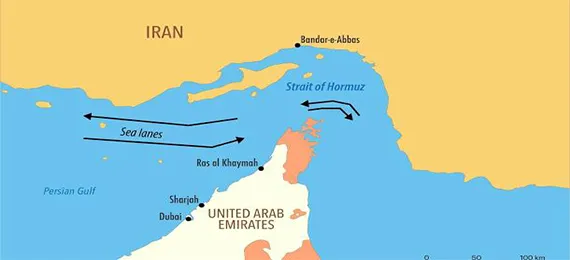
Facts About the Strait of Hormuz: Key Insights
General Knowledge
Assisted Suicide in the US: The Essential Guide
Sports
How Long Is a Marathon? Everything You Need to Know
Entertainment
The Ultimate Video Game Quiz Challenge to Test Your Gaming IQ
Science
Happy Face Spider: The Tiny Arachnid With a Smiling Mystery
Read Next
Ambergris Facts: Unveiling the Secrets of the Ocean’s Floating Gold
Aquatic Life
Highly Migratory Marine Species: Dive into Their World
Animals
9 Unknown Characteristics of Jellyfish
Animals
Sign in
Facebook
Google
or
Enter Email Address
Email
SIGN IN
Joining Trivia sharp is free! Test your knowledge on topics ranging from movies to history. By clicking “Sign Up" you are agreeing to our privacy policy.