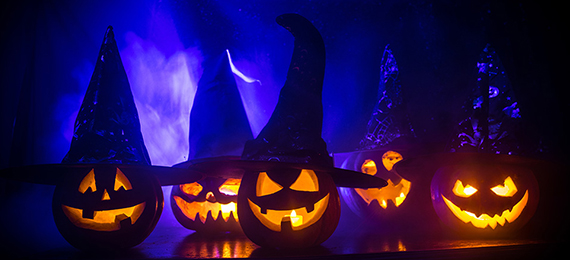
Halloween isn’t just about costumes, candy, and carved pumpkins—it’s also about color. Every October, our world turns into a vivid mix of orange and black, echoing the warmth of autumn and the chill of mystery. But have you ever stopped to wonder why these two shades became the traditional colors of Halloween?
Let’s peel back the history, folklore, and symbolism behind these haunting hues.
The Iconic Duo: Orange and Black
From pumpkins on porches to flickering candles in carved lanterns, orange and black dominate Halloween decorations across the world. But this wasn’t a random color choice—each carries a deep symbolic meaning that dates back to ancient times.
What Do Halloween Colors Signify?
- A. Fall-Winter Connection
- B. Good-Evil Connection
- C. It Is a Myth
- D. None of the Above
Orange: The Color of Harvest and Firelight
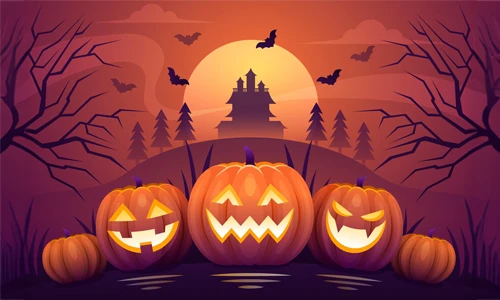
Orange represents warmth, life, and the bounty of the harvest season. It’s the color of falling leaves, ripe pumpkins, and autumn sunsets. Historically, it symbolized the cycle of life, the changing seasons, and the transition from abundance to the darker months ahead.
For the ancient Celts celebrating Samhain, the festival that inspired Halloween, orange represented the firelight that guided spirits and protected the living. Today, that fiery glow continues in our jack-o’-lanterns, string lights, and candy wrappers.
Black: The Shade of Mystery and the Spirit World
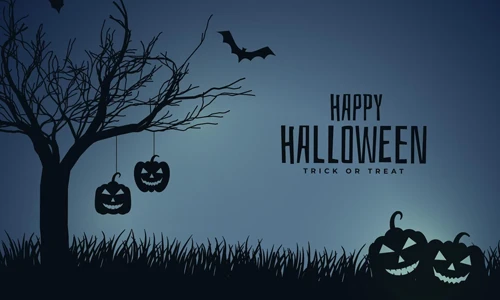
If orange embodies life, black stands for what lies beyond it. The color black has long been linked with death, night, and the unknown—themes that define Halloween’s spooky atmosphere.
In Celtic lore, Samhain marked a time when the boundary between the living and the dead grew thin. People dressed in dark robes to disguise themselves from wandering spirits. Black thus became a symbol of protection, mourning, and mystery, giving Halloween its haunting aesthetic.
Purple Joins the Party
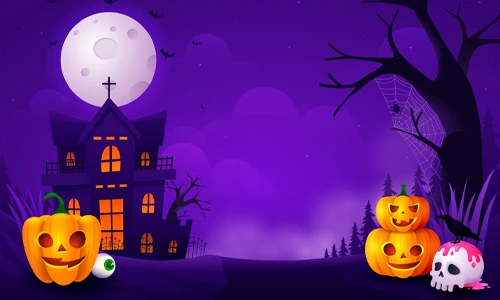
While not one of the traditional colors of Halloween, purple has crept into modern celebrations as a nod to witchcraft and magic. Some legends say a purple door once marked a witch’s home, while others claim it became popular through clever marketing to make Halloween decor more vibrant and playful.
Whether mystical or commercial, purple now adds an enchanting touch to modern Halloween displays—especially when paired with glowing orange and shadowy black.
From Ancient Rituals to Candy Aisles
The pairing of orange and black isn’t just symbolic—it’s visually striking. The contrast between warmth and darkness mirrors Halloween’s dual nature: celebration and fear, light and shadow, life and death.
From candy wrappers to costumes, this color combo continues to dominate every Halloween scene. It’s hard to imagine trick-or-treat bags, pumpkin carvings, or haunted house décor without them.
The Legacy of Halloween Colors
Every holiday has its signature colors—red and green for Christmas, pastels for Easter, and orange and black for Halloween. These traditional Halloween colors remind us that behind every spooky decoration lies centuries of history and folklore.
So the next time you hang orange lights or cut out black paper bats, remember—you’re continuing a centuries-old tradition that bridges the ancient and the modern.
Want to dive deeper into Halloween lore?
- Discover the Top 10 Halloween Superstitions
- Explore the Scariest Halloween Costumes
Or test your knowledge with our Halloween Trivia Questions and Answers