
Pandemics don’t just kill people. They rewrite borders, collapse empires, change medicine, spark superstition, and sometimes… remind humanity how fragile it really is. Long before airplanes and global travel, diseases still managed to circle the globe with terrifying efficiency.
Below is a chronological, structured breakdown of the worst pandemics in history, including death tolls, causes, and unforgettable facts, without skipping a single major outbreak.
Ancient Pandemics: When Medicine Didn’t Exist
Plague of Athens (430–426 BCE)
Which pandemic is considered the deadliest in recorded human history overall?
- A. Spanish Flu
- B. Black Death
- C. Smallpox
- D. COVID-19
- Estimated Deaths: 75,000–100,000
- Cause: Unknown (possibly typhoid fever or Ebola-like virus)
- Why It Spread: Overcrowded city during war
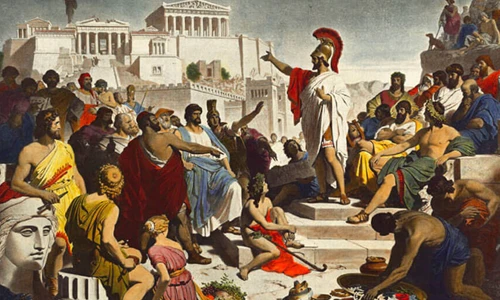
This pandemic struck Athens during the Peloponnesian War and killed nearly one-third of the city’s population, including its leader, Pericles. It weakened Athens so badly that it changed the course of Greek history.
Trivia fact: Doctors were among the first to die because they treated patients directly.
Antonine Plague (165–180 CE)
- Estimated Deaths: 5 million
- Cause: Likely smallpox
- Affected Region: Roman Empire
Carried home by soldiers, this pandemic devastated Rome and is considered one of the major reasons for the decline of the Roman Empire.
Plague of Cyprian (249–262 CE)
- Estimated Deaths: Millions
- Symptoms: Vomiting, diarrhea, throat sores
Named after Saint Cyprian, this outbreak caused mass panic and societal collapse. Some cities lost 5,000 people per day.
Medieval Pandemics: Death Goes Global
The Justinian Plague (541–549 CE)
- Estimated Deaths: 25–50 million
- Cause: Bubonic plague
- Origin: Egypt
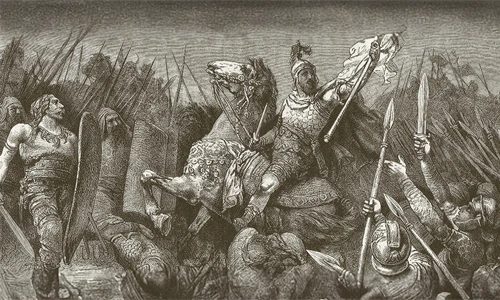
This was the first known plague pandemic, spreading across Europe, Asia, and North Africa. At its peak, Constantinople lost 10,000 people per day.
The Black Death (1347–1351)
- Estimated Deaths: 75–200 million
- Cause: Yersinia pestis bacteria
- Transmission: Fleas on rats
The most infamous pandemic in history wiped out up to 60% of Europe’s population. Entire villages vanished. Graveyards overflowed. Society never recovered the same way.
Trivia fact: The labor shortage caused by the Black Death helped end feudalism in Europe.
Early Modern Pandemics: Disease Meets Exploration
Smallpox (Global, 15th–20th Century)
- Estimated Deaths: 300–500 million
- Cause: Variola virus
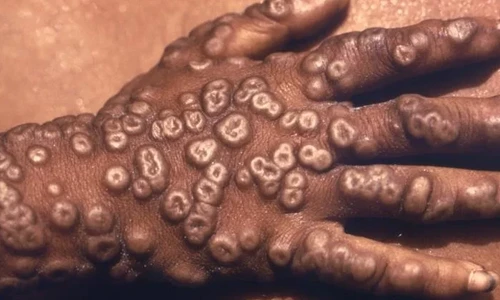
Smallpox didn’t just kill. It reshaped continents, wiping out up to 90% of Indigenous populations in the Americas after European contact.
Historic milestone: Smallpox became the first disease eradicated by vaccines in 1980.
Cholera Pandemics (1817–1923)
- Number of Waves: 7 global pandemics
- Estimated Deaths: Tens of millions
- Cause: Contaminated water
Cholera revealed the deadly importance of clean water and sanitation, transforming urban planning worldwide.
Yellow Fever (18th–19th Century)
- Cause: Mosquito-borne virus
- Impact: Americas, Africa, Europe
Yellow fever outbreaks halted trade, killed tens of thousands, and even delayed construction of the Panama Canal.
Industrial Age Pandemics: Faster Travel, Faster Spread
Russian Flu (1889–1890)
- Estimated Deaths: 1 million
- Cause: Possibly a coronavirus
Often forgotten, this pandemic spread rapidly via railroads, proving how technology could accelerate disease.
Spanish Flu (1918–1920)
- Estimated Deaths: 50–100 million
- Cause: H1N1 influenza virus
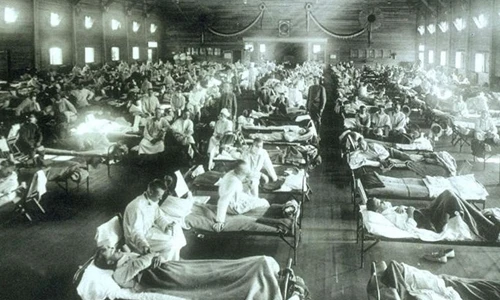
The deadliest pandemic in modern history infected one-third of the world’s population. Unlike most flu viruses, it killed healthy young adults at alarming rates.
Trivia fact: It was called “Spanish Flu” only because Spain freely reported cases, not because it started there.
20th Century Pandemics: Medicine vs Mutation

Asian Flu (1957–1958)
- Deaths: 1–2 million
- Cause: H2N2 virus
Hong Kong Flu (1968–1970)
- Deaths: 1 million
- Cause: H3N2 virus
Both pandemics led to rapid vaccine development, saving countless lives.
HIV/AIDS (1981–Present)
- Deaths: Over 40 million
- Transmission: Blood, sexual contact
HIV/AIDS remains one of the deadliest pandemics in history, changing medicine, public health policy, and social attitudes forever.
21st Century Pandemics: A Connected World Pays the Price
SARS (2002–2004)
- Deaths: ~800
- Fatality Rate: ~10%
Swine Flu (H1N1, 2009)
- Deaths: 150,000–575,000
- Global Spread: Within weeks
MERS (2012–Present)
- Fatality Rate: ~35%
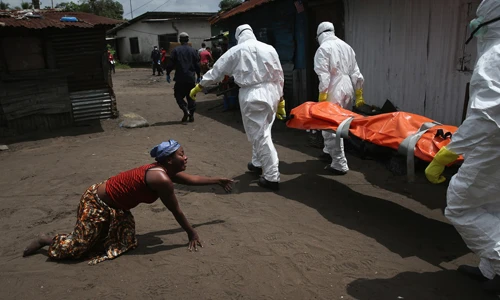
Ebola Outbreaks (2014–2016 peak)
- Fatality Rate: Up to 90%
Zika Virus (2015–2016)
- Impact: Birth defects, neurological damage
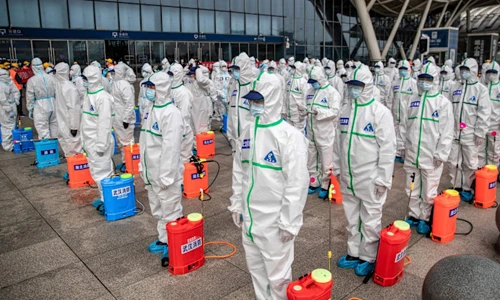
COVID-19 (2019–Present)
- Deaths: 7+ million officially
- Cause: SARS-CoV-2 coronavirus
COVID-19 shut down the world. Borders closed. Cities emptied. It became the most disruptive pandemic in modern history, affecting every country on Earth.
Known fact: Mosquito-borne diseases have killed more humans overall than wars, a reminder that nature is humanity’s oldest enemy.
Quick Comparison Table: Worst Pandemics in History
| Pandemic | Time Period | Estimated Deaths |
| Smallpox | 15th–20th Century | 300–500M |
| Black Death | 1347–1351 | 75–200M |
| Spanish Flu | 1918–1920 | 50–100M |
| Justinian Plague | 541–549 | 25–50M |
| HIV/AIDS | 1981–Present | 40M+ |
| COVID-19 | 2019–Present | 7M+ |
FAQs
What was the worst pandemic in history?
Smallpox holds the record for the highest death toll across centuries.
Which pandemic killed the most people in a short time?
The Black Death and Spanish Flu caused catastrophic deaths within just a few years.
Are pandemics becoming more common?
Yes. Global travel, urbanization, and climate change increase outbreak risks.
What caused most historic pandemics?
Poor sanitation, animal-to-human transmission, and lack of medical knowledge.
Pandemics are not just medical events. They are turning points in human history. Every outbreak leaves scars, lessons, and warnings for the future. And history makes one thing clear: ignoring disease has always been humanity’s most dangerous habit.