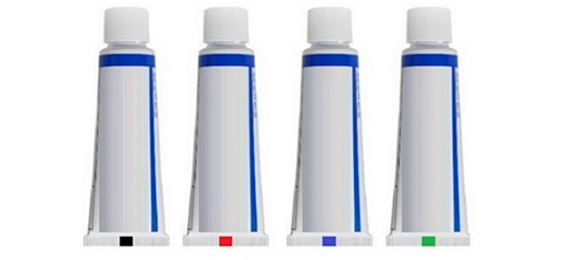
Have you ever picked up a tube of toothpaste and noticed a tiny colored square or rectangle at the bottom?
Maybe it was black.
Maybe it was green.
What is the real purpose of toothpaste colour codes?
- A. Ingredient labels
- B. Quality ratings
- C. Manufacturing alignment marks
- D. Expiration indicators
Perhaps it was blue or red.
Then someone told you:
- Green means all-natural ingredients.
- Blue means natural plus medicine.
- Red means natural and chemical ingredients mixed.
- Black means pure chemicals.
Suddenly, brushing your teeth felt less like a dental routine and more like decoding a secret spy message.
But is there any truth behind these claims?
The answer may surprise you.
Today, we’ll dig deep to decode the toothpaste colour code, one of the internet’s most persistent myths. Along the way, we’ll uncover what those colored marks really mean, explore common misconceptions, and learn some surprising toothpaste facts that might change the way you look at your bathroom shelf forever.
What Does the Toothpaste Colour Code Mean?
The coloured square or rectangle at the bottom of a toothpaste tube does not indicate whether the toothpaste is natural, chemical, herbal, or medicinal. It is a manufacturing registration mark, also known as an eye mark, used by packaging machines to align, cut, and seal the tube correctly during production.
What Is a Toothpaste Colour Code?
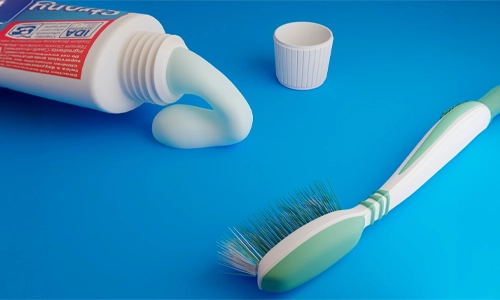
The term toothpaste colour code refers to the small colored blocks printed near the sealed end of a toothpaste tube.
They usually appear as:
🟩 Green
🟥 Red
🟦 Blue
⬛ Black
For years, social media posts and chain messages claimed these colors reveal what’s inside the toothpaste.
According to the myth:
| Color | Claimed Meaning [Myth] |
| Green | All natural ingredients |
| Blue | Natural plus medicinal ingredients |
| Red | Natural and chemical ingredients |
| Black | Purely chemical ingredients |
Sounds convincing, doesn’t it?
Unfortunately…
It’s completely false.
Where Is the Toothpaste Colour Code Located?
The coloured mark is usually printed on the crimped end of the toothpaste tube, opposite the cap. Depending on the manufacturer, it may appear as a small square, rectangle, or block in black, green, blue, red, or another contrasting colour. Its location helps automated packaging equipment detect where each tube should be cut and sealed.
The Real Meaning of Toothpaste Colour Codes
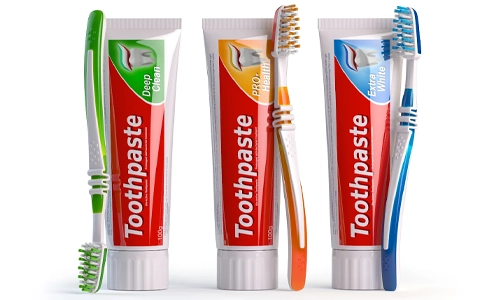
Here’s the truth.
Those colored squares aren’t ingredient indicators at all.
They’re actually called eye marks or registration marks.
Manufacturers use them during the packaging process.
Imagine a factory producing thousands of tubes every hour.
Machines need a way to know:
- Where to cut the tube
- Where to seal it
- How to align the printed design
The colored mark acts as a guide for optical sensors.
The machine “sees” the mark and knows exactly where to perform the next manufacturing step.
That’s it.
No secret formula.
No hidden chemical warnings.
No ingredient classification system.
Just factory machinery doing its job.
What Are Registration Marks?
Registration marks, sometimes called eye marks, are printed reference points used in automated manufacturing.
Packaging machines use optical sensors to detect these marks so they can:
- Cut packaging accurately
- Seal tubes correctly
- Align printed graphics
- Maintain consistent product quality
Similar registration marks can also be found on snack wrappers, cosmetic tubes, medicine packaging, and food pouches.
Why Did the Toothpaste Colour Code Myth Become Popular?
People love mysteries.
A tiny colored square sitting at the bottom of a tube looks suspiciously important.
The myth became popular because:
It Seems Logical
People assume the color must represent something meaningful.
It Feels Like Insider Knowledge
Discovering a “hidden secret” makes people feel informed.
Social Media Loves Simple Explanations
A colorful chart is easier to share than a technical manufacturing explanation.
Before long, the claim spread across emails, Facebook posts, WhatsApp messages, and websites worldwide.
Toothpaste Colour Chart: Myth vs Reality

Here’s the most accurate toothpaste colour chart you’ll find.
| Color | Internet Myth | Actual Meaning |
| Green | Natural ingredients | Packaging alignment mark |
| Blue | Natural and medicinal ingredients | Packaging alignment mark |
| Red | Natural plus chemicals | Packaging alignment mark |
| Black | Pure chemicals | Packaging alignment mark |
No matter what color appears on the tube, it does not reveal the ingredient list.
For that information, always read the actual ingredients panel.
Why Are the Colours Different?
The colour of the registration mark depends on what provides the highest contrast against the tube’s printed design.
For example:
- A white tube may use a black mark.
- A dark package may use a lighter colour.
- Different factories may choose different colours for easier machine detection.
The colour is selected for manufacturing efficiency—not to communicate product ingredients.
Do Famous Toothpaste Brands Use Different Colour Codes?
Yes.
Many major toothpaste brands may have different colored marks on different products.
For example, you might find colored marks on tubes from:
- Colgate
- Crest
- Sensodyne
- Parodontax
- Aquafresh
Interestingly, the same brand may use different colored marks across different production runs.
If the colors truly represented ingredients, manufacturers would need a consistent universal system.
They don’t.
That’s another clue the myth isn’t true.
How Can You Tell What’s Really Inside Your Toothpaste?
Instead of checking the colored square, look for:
Ingredients List
This is your best source of information.
Active Ingredients
These help prevent cavities or reduce sensitivity.
Fluoride Content
Many dentists recommend fluoride toothpaste for cavity protection.
Product Claims
Manufacturers clearly state if a product is:
- Whitening
- Sensitive-teeth formula
- Herbal
- Fluoride-free
- Enamel repair
The information is already on the package.
No detective work required.
Other Toothpaste Facts Most People Don’t Know
Toothpaste Wasn’t Always Mint-Flavored
Ancient civilizations cleaned teeth using mixtures containing:
- Crushed shells
- Charcoal
- Salt
- Herbs
Modern mint toothpaste is a relatively recent innovation.
The First Toothpaste Was More Like Powder
Long before squeezable tubes existed, people used powdered cleaning mixtures.
Toothpaste as we know it became popular in the 19th century.
Toothpaste Tubes Were Inspired by Paint Tubes
The collapsible toothpaste tube was inspired by artists’ paint tubes.
A brilliant idea that changed dental care forever.
You Only Need a Pea-Sized Amount
Many toothpaste commercials show a brush completely covered in toothpaste.
Dentists generally recommend a much smaller amount.
Your wallet will thank you.
The Psychology Behind Toothpaste Myths
Why do people keep believing the toothpaste colour code story?
Because humans naturally look for patterns.
A mysterious green square appears.
Someone explains.
Our brains happily connect the dots.
Even when the explanation isn’t true.
It’s the same reason urban legends spread so quickly.
How to Check Toothpaste Ingredients Correctly
Instead of relying on internet myths, check:
- Active ingredients
- Fluoride concentration
- Abrasive ingredients
- Whitening agents
- Herbal extracts
- ADA or local dental association recommendations
The ingredient label is always the most reliable source of information.
Fun Trivia: If Toothpaste Colours Really Meant Something…
Imagine toothpaste labels worked like traffic lights.
🟩 Green: “Made by happy forest elves.”
🟦 Blue: “Contains ingredients approved by dolphins.”
🟥 Red: “Brush at your own risk.”
⬛ Black: “Warning: may transform you into a vampire.”
Fortunately, science is much less dramatic.
Did You Know?
Some toothpaste tubes from the same brand can have different coloured marks depending on where they were manufactured. If the internet myth were true, identical toothpaste would somehow contain completely different ingredients simply because it came from another factory—which clearly isn’t the case.
Toothpaste Colour Code Quiz
FAQs
What does toothpaste colour code mean?
The coloured mark at the bottom of a toothpaste tube helps manufacturing machines align, seal, and cut the packaging correctly.
Is the toothpaste colour code related to ingredients?
No. The colours do not indicate whether toothpaste is natural, chemical, medicinal, or herbal.
What is the toothpaste colour chart?
The toothpaste colour chart circulating online is based on a myth. The colours are packaging markers rather than ingredient indicators.
Why do some toothpaste tubes have black marks?
Black marks are simply easier for manufacturing sensors to detect on certain packaging designs.
Does green toothpaste colour code mean natural toothpaste?
No. A green mark does not indicate natural ingredients. Ingredient information can only be confirmed by reading the product label.
Which toothpaste brands use colour codes?
Many brands, including Colgate, Crest, Sensodyne, and Aquafresh, use coloured packaging marks for production purposes.
Why do toothpaste tubes have different coloured squares?
Different colours improve visibility for packaging sensors depending on the tube’s design and printing.
Do all toothpaste brands use registration marks?
Most tube manufacturers use some form of registration mark during automated packaging, although the colour and shape may vary.
Can toothpaste colour codes identify fluoride toothpaste?
No. Whether a toothpaste contains fluoride can only be confirmed by reading the ingredient list.
Is the toothpaste colour code approved by dentists?
No. Dental professionals do not use or recommend colour codes to evaluate toothpaste ingredients.
Where did the toothpaste colour code myth start?
The myth became popular through chain emails, blogs, and social media posts in the early 2000s before being repeatedly debunked by manufacturers and dental experts.
Why Should You Know the Truth
The toothpaste colour code myth may seem harmless.
But it teaches an important lesson:
Always verify health-related information using reliable sources.
A colorful image online can be convincing.
Facts are better.
The next time someone tells you a green mark means “all natural,” you’ll know the real story.
That tiny square doesn’t reveal secrets about the ingredients.
It’s simply helping a machine package toothpaste correctly.
Not exactly exciting…
But definitely true.