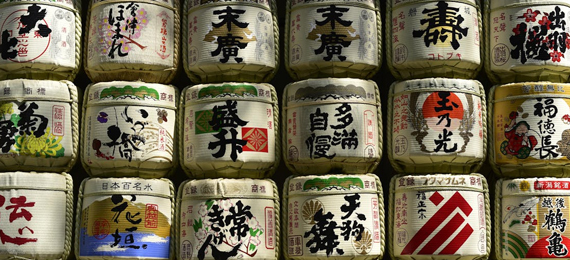
Alcohol is used in various ways, such as for self-medication, recreational purposes, and even in warfare. It is found in fermented beverages like wine, beer, and distilled spirits. So, what is sake? Sake is a traditional Japanese alcoholic beverage made through fermentation, similar to wine and beer. It plays an integral role in Japanese culture and lifestyle. Curious about the origins of sake?
What is Sake
Sake is a traditional Japanese alcoholic drink made from fermented rice. Though often called “rice wine,” its brewing process is closer to that of beer. The flavor of sake varies widely, from light and fruity to rich and earthy, influenced by the type of rice and brewing methods used. A favorite in Japan, it’s enjoyed on its own, in cocktails, or paired with food.
Brief History of Sake
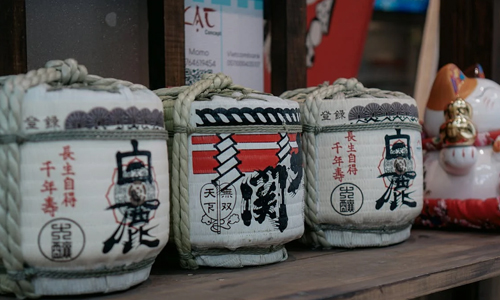
What is sake?
- A. Clear liquid inside the coconut
- B. A yummy drink made of mango
- C. Alcoholic beverage in Japan
- D. Carbonated cola soft drink
In ancient India, the technique of fermenting rice into an alcoholic drink was developed. This method eventually made its way to Japan along with rice cultivation. Over time, the Japanese refined the production process, creating a distinct beverage known as sake. Here’s a detailed look at what sake is and its history.
Ancient Times: 2nd to 3rd Century
Rice cultivation began around 7,000 years ago in China, marking the start of rice-based alcoholic beverages. The first recorded mention of sake in Japan dates back to the 3rd century AD. A historical document noted, “People in Japan drink sake. They drink it in groups when they are mourning.”
Sake Production by Imperial Court: 7 to 10th Century
In the 8th century, the imperial court established a special division to oversee sake brewing. At that time, only the privileged had access to the drink. The first recorded use of mold (koji) in sake brewing is mentioned in the 8th-century document Harima no Kuni Fudoki.
The 10th-century Japanese book Engishiki reveals many traditions and customs related to sake. It outlines the process of sake brewing and its usage on special occasions.
Refined the Sake Brewing Methods: 12 to 14th Century
Between the 12th and 14th centuries, sake production shifted as the government moved from the imperial court to temples and shrines. Brewers began specializing in sake under their trade names, and the brewing techniques advanced during this period. As a result, sake became more accessible to the general public.
Commercial Sake Brewers: 15 to 16th Century
In the 15th century, brewers started using a heat-based disinfection method. The implementation of sake vessels offered an easy method of removing sake, helping people enjoy the drink with friends, family, and colleagues.
Development in Sake Production: 17 to 19th Century
How to make sake? Osaka and surrounding regions like Nada and Itami became star producers of sake. On the other hand, technological advancements led quite improvements in brewing methods. Brewers in Itami started a’ hashira-shochu technique to prevent microbial contamination.
In 1878, sake began being distributed in glass bottles, replacing cedar casks. The National Research Institute of Brewing was established in 1904 to develop brewing techniques. In 1943, the government initiated sake taxation for the first time.
New Flow: 20th Century
At the end of the 1990s, sake production started to decline. Instead of hiring a master, owners took over the brewing. This allowed owners to design the flavor and serve it with Japanese cuisine.
In recent years, the sake industry has started developing. It is also gaining popularity in other countries like China, North America, Australia, and South America. This opens up a new door to the world of sake, globally and domestically.
Types of Sake and Features
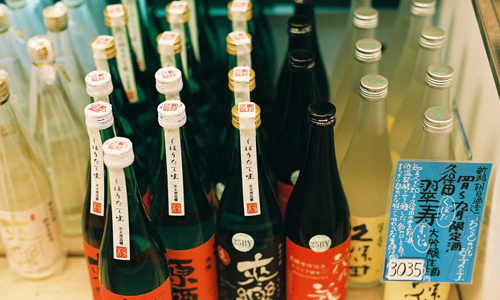
There are several types of sake brewed in different ways. Sometimes, it may be not easy to distinguish one sake from another. Here is an overview of various types of sake and their features.
1. Ginjo-shu
- Made with rice of which 40% is milled.
- Light flavor with a beautiful aroma.
- Fermentation occurs at lower temperatures.
- Served in cold to retain the flavor.
2. Daiginjo-shu
- Made with highly polished rice.
- Delicate taste with high fragrance.
3. Honjozo-shu
- Reasonable level of acidity.
- Made by adding brewer alcohol.
- Ideally served warm.
4. Namazake
- Needs to be refrigerated.
- It often has some koji rice in the bottle.
- Great dessert drink.
5. Tokubetsu Junmai
- Made from rice, koi, and water.
- Mild and creamy texture.
- It can be served chilled or at room temperature.
Vessels Used for Sake Tasting
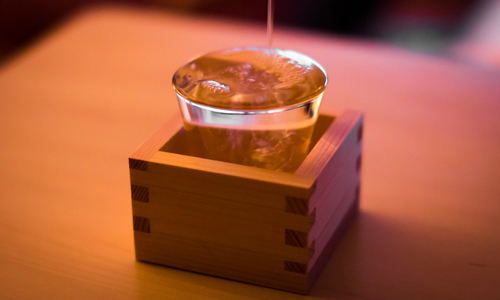
How to drink sake? There are several types of vessels used for drinking sake. From glass to Tokkuri, here is a detailed description:
- Glass
It is easy to serve sake using glass below room temperature. The Sochu Makers Association recommended serving it in a sake glass (60 or 110 ml). Stemmed or Bordeaux glasses are suitable for drinking all types of sake. A burgundy glass is best for enjoying the dried fruits or nut-like taste of aged sake.
- Sakazuki
Porcelain or earthenware vessels are used at ordinary drinking parties in Japan. Skazuki has been used since ancient times by noble ranks at ceremonies and banquets. It is customary for the groom and bride to sip from sakazuki at traditional Japanese wedding ceremonies.
- Tokkuri
This is a traditional vessel for pouring sake. Tokkuri comes in various shapes with simple indigo patterns. These are used to serve cold sake in restaurants. Alternatively, chirori is used to heat sake that is made of copper.
Basic Sake Facts
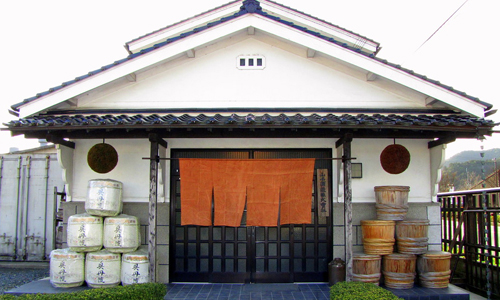
Recently, people around the world have begun to enjoy drinking sake. What is in sake drink? To have a detailed look, let’s look at some well-known facts about sake.
- 15% is the average alcohol content of sake.
- Approximately 1.3x the amount of water necessary to produce sake related to rice.
- The average time taken to brew sake is 40 days.
- Sake is considered Japan’s national drink.
- Yeast is a key flavor component in sake’s quality.
- Sake can be served hot, cold, or at room temperature.
- About 1800 sake breweries in Japan.
- Sake has a higher alcohol content than wine or beer.
I hope you have an idea about sake, its origin, types, and other facts. Today, there have been many advances in sake production and it has gained popularity. Brewers all over the world celebrate October 1st as Sake Day.