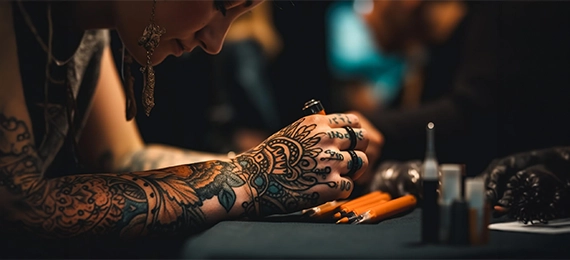
Tattoos may feel like a modern form of self-expression, but the truth is far more fascinating. The origin of tattoos stretches back thousands of years, crossing continents, cultures, and belief systems long before tattoo studios and electric needles existed. What began as ritual, identity, protection, and storytelling has evolved into one of humanity’s oldest art forms etched directly onto skin.
Long before tattoos were seen as fashion statements, they carried deep meaning. They marked warriors, healers, royalty, and outcasts. They were believed to protect the soul, signal adulthood, and even guide the dead into the afterlife. The story of tattooing is not just about ink. It’s about human history itself.
The Earliest Evidence of Tattoos in Human History
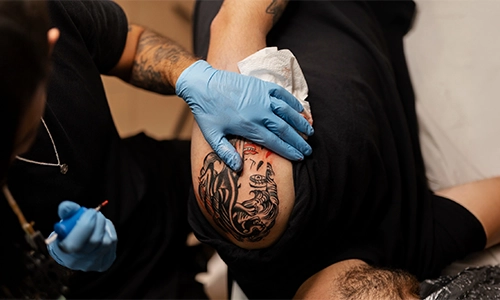
What is the oldest known evidence of tattooing in human history?
- A. Egyptian mummies
- B. Ancient Roman slaves
- C. Ötzi the Iceman
- D. Polynesian warriors
One of the most astonishing discoveries connected to the origin of tattoos came from the frozen Alps. In 1991, scientists discovered Ötzi the Iceman, a 5,000-year-old mummy with more than 60 tattoos on his body. These markings weren’t decorative. They were placed near joints and areas of pain, leading researchers to believe they were linked to early forms of medical treatment or healing practices.
This discovery proved that tattooing existed long before written language and that early humans already understood the symbolic power of marking the body.
The Origin of Tattoos in Ancient Civilizations
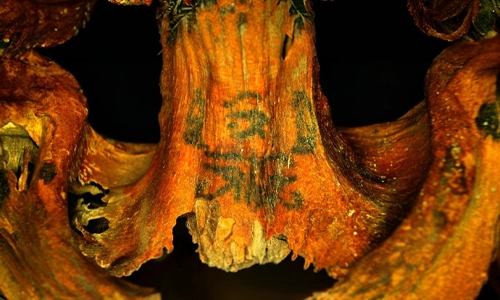
Ancient Egypt played a major role in shaping tattoos. Mummies dating back to 2000 BCE show intricate patterns, particularly on women. They were often linked to fertility, protection during pregnancy, and spiritual rituals. In some cases, priestesses and dancers wore them as symbols of divine connection.
In ancient Nubia and Mesopotamia, they were also associated with status and spiritual belief. Unlike modern tattoos meant for personal choice, early ones often reflected one’s role in society.
Tribal and Indigenous Cultures
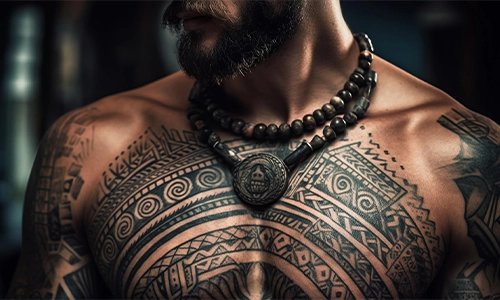
For many indigenous communities, they were never trends. They were traditions. Polynesian cultures, including the Māori and Samoan people, developed complex systems that told stories of ancestry, rank, and achievement. The word “tattoo” itself comes from the Polynesian word “tatau,” meaning “to mark.”
In these cultures, it was a sacred ceremony involving pain, endurance, and honor. Every line carried meaning. Receiving a tattoo was not optional; it was a rite of passage.
Native American tribes also practiced it to symbolize courage, spiritual protection, and tribal identity. In some cases, they were believed to guide warriors safely in the afterlife.
Asia

In Asia, it carries both sacred and controversial histories. In ancient China and Japan, they were sometimes used as punishment, branding criminals so they could never hide their past. However, this perception evolved over time.
In Japan, they are developed into a highly artistic tradition known as irezumi, featuring elaborate designs inspired by mythology, folklore, and nature. These full-body ones were created by hand using traditional tools and techniques, turning the body into a living canvas.
In India, it existed as a folk tradition in rural communities, especially among women, where they symbolized protection, beauty, and social identity.
Tattoos in Ancient Europe and the Roman World
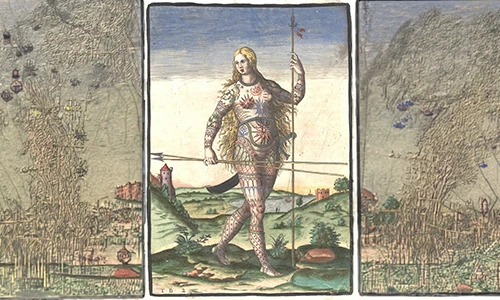
The ancient Greeks and Romans encountered them through their interactions with tribal societies. To them, they often symbolized barbarism or punishment. Roman slaves and criminals were frequently tattooed as a form of identification and control.
Ironically, while they were used to shame individuals in Roman society, neighboring tribes proudly wore them as symbols of strength and belonging. This contrast shows how the meaning of tattoos depended entirely on cultural perspective.
Tattoos and Spiritual Beliefs
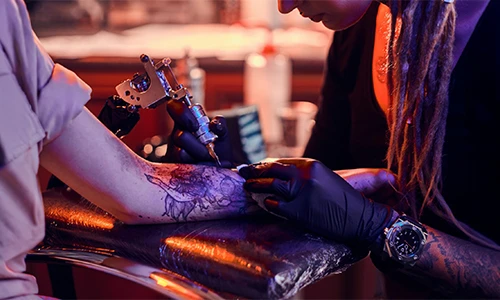
One of the most overlooked aspects of the origin is its spiritual role. Many ancient cultures believed they acted as protective charms or spiritual armor. Symbols were inked to ward off evil spirits, invite blessings, or represent gods and ancestors.
In some cultures, they were believed to carry over into the afterlife, allowing the soul to be recognized or protected beyond death. This belief explains why the placement was often deliberate and ritualistic.
How Tattoos Reached the Modern World

The spread into Western culture accelerated during the age of exploration. Sailors encountered tattooed communities across the Pacific and returned home with their own inked souvenirs. They became symbols of travel, bravery, and survival at sea.
By the 19th century, they were common among sailors, soldiers, and circus performers. However, they were still viewed as rebellious or unconventional until the invention of the electric tattoo machine in the late 1800s made it more accessible.
How We View Modern Body Art?
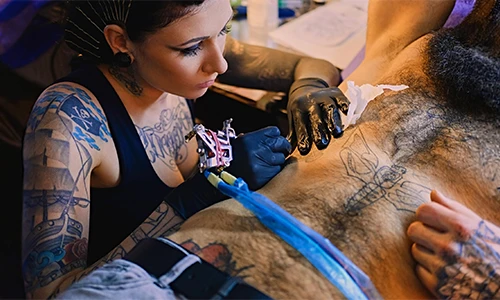
They were never just decoration. They were language, identity, medicine, spirituality, and memory. Today’s tattoos may be personal, artistic, or aesthetic, but they are rooted in traditions that span thousands of years.
Every one carries echoes of ancient rituals, tribal pride, and human storytelling. The needle may have changed, but the meaning behind the ink remains deeply human.
It reveals a powerful truth: humans have always used their bodies to tell stories. From sacred symbols carved into ancient skin to modern expressions of identity, tattooing remains one of the oldest and most meaningful art forms in human history.