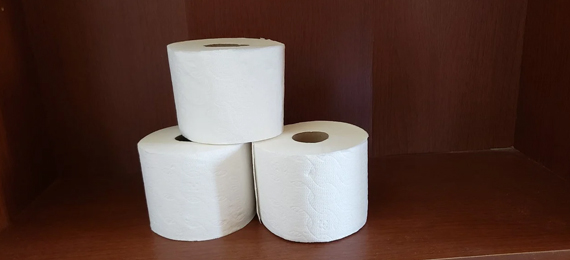
In the U.S., we take flushing toilet paper for granted – at most you’ll see a sign telling women not to flush feminine products. But if you’re traveling and spot a “No paper in this toilet” sign, don’t assume it’s just about sanitary napkins. In many parts of the world, that warning means all toilet paper must go in the bin, not the bowl. For example, a traveler I spoke to recalls landing in Indonesia and being told to “toss your toilet paper into a bin instead of flushing it,” despite the home having a perfectly modern toilet. Americans unaccustomed to this rule are often baffled and definitely grossed out until they learn the plumbing reasons behind it.
Map of Countries Where Flushing Toilet Paper is Permitted or Prohibited
Global maps of toilet etiquette vividly show the pattern: North America and most of Western Europe (green) flush freely, but huge swaths of Asia, Eastern Europe, and Latin America (orange) forbid it. The rule usually exists not for cleanliness reasons but plumbing ones. Many countries still use older sewer systems or narrow pipes. For instance, Greece famously has 2-inch sewer pipes (half the diameter of U.S. pipes), so even a bit of toilet paper can clog the lines. An Athens Airbnb host even joked that if neighbors suddenly smell sewage or hear a motor running, it’s because “someone flushed toilet paper and they had to pump out the pipes”.
In short: flushing where you shouldn’t often results in nasty back-ups, awful odors, and an angry plumber knocking on your door. On the bright side, tossing paper into the provided waste bin isn’t nearly as bad as it sounds.
You can safely flush toilet paper in most parts of Western Europe, including France and Germany.
- A. True
- B. False
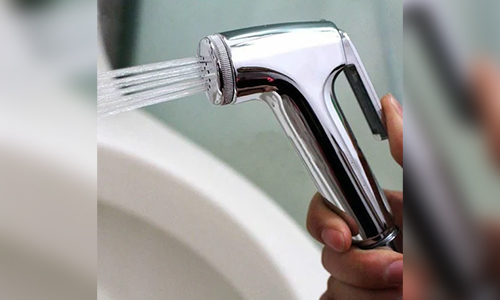
Locals pack used paper into plastic-lined, lidded bins (often opened with a foot pedal), and attendants empty them regularly. As one travel writer found in Thailand and Indonesia, many bathrooms even have a handheld “bum gun” sprayer for cleaning, making the cleanup routine feel cleaner than you expect. So as long as you follow the signs – fold your paper (to be polite) and bin it – you’ll avoid clogging the plumbing while staying surprisingly hygienic.
Countries Where You Can’t Flush Toilet Paper
1. Greece
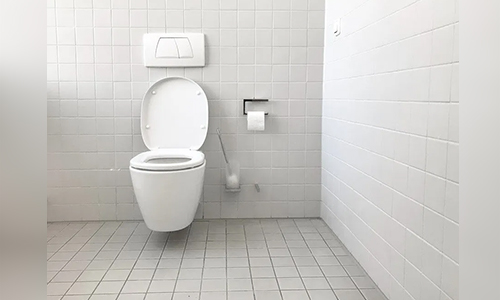
Almost every public and hotel toilet will have a “No Paper” sign. Greek sewer pipes are very small, and even with modern flush toilets the safe approach is to trash the TP. (One Athens local quipped that smelly streets mean someone ignored this rule and clogs had to be pumped out.)
2. Turkey
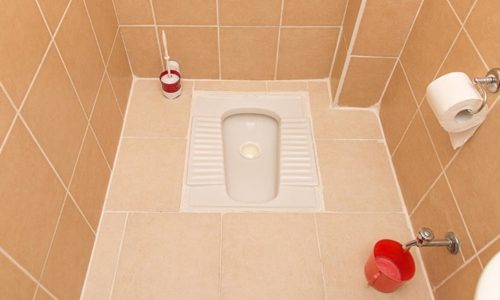
Like its neighbor Greece, Turkey’s plumbing can’t handle paper. You’ll almost always find a little bin next to Turkish toilets for waste paper. Even if a hotel tells you it’s “okay,” many signs in homes and restaurants warn that TP goes in the bin, not the toilet.
3. Cyprus
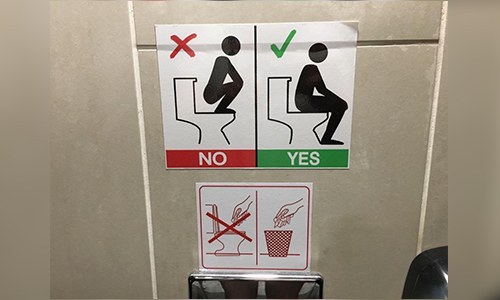
Despite being an EU country, Cyprus often follows the same rule as Greece. Many Cypriot bathrooms have narrow piping and advise you to throw toilet paper into the bin.
4. Bulgaria
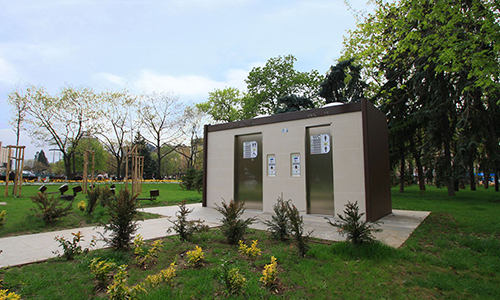
In Bulgaria the sewage systems are old and delicate. Travelers routinely report “Don’t flush TP” signs in Bulgarian toilets. (Bulgarian and Greek pipes suffer the same fate.)
5. Bosnia & Herzegovina
Public and guesthouse toilets in Bosnia-Herzegovina often come with waste bins, not TP-only flush instructions. This is common across the Balkans.
6. North Macedonia
Same as above – Macedonian hotels and cafes usually have a bin for paper. Flushing TP in the toilet can cause immediate clogs in many buildings there.
7. Montenegro
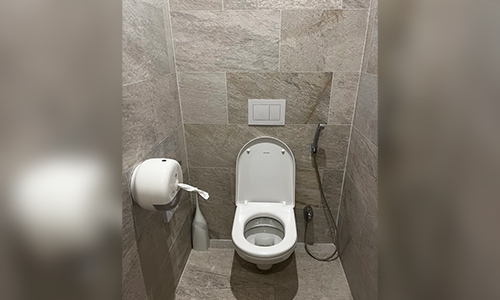
Many guests are surprised in coastal Montenegro when they see a bin beside the throne. Like neighboring countries, Montenegro’s older plumbing can’t dissolve paper fast enough.
8. Moldova
Moldovan sewers are finicky. If you’ve visited Moldova, you likely saw a “No paper” graphic in stalls. The advice is uniform: wastebasket it.
9. Ukraine
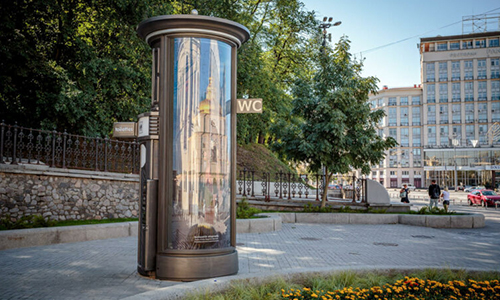
In Ukraine’s big cities you might get away with flushing in fancy places, but rural homes and many older apartments still use bins for toilet paper. Expect signs in smaller towns.
10. Belarus
Belarus, too, inherited many Soviet-era pipes. Signs and common sense say: bin it. Clogged toilets are unpleasant surprises, so local custom is not to flush paper.
11. India
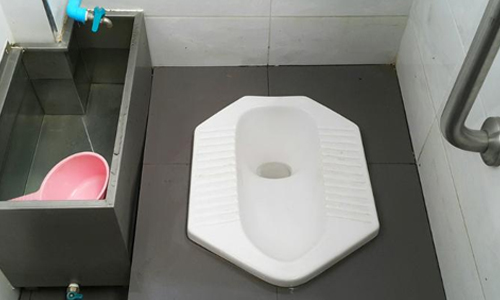
Most Indians use water rather than TP. In India you’ll often find only squat toilets and hoses, with maybe some TP for drying. Important fact: you should NOT flush toilet paper down most Indian toilets. The plumbing wasn’t built for paper – instead, flush liquid waste and deposit used paper in a bin if available.
12. Pakistan
In Pakistan water spray (lota) culture dominates and TP is only for drying. Locals never flush paper – they simply throw it in a small trash can by the toilet. A traveler noted that Pakistanis use the spray nozzle to clean and that “when you use the toilet paper, you don’t flush it… you put it in the trash”.
13. Nepal
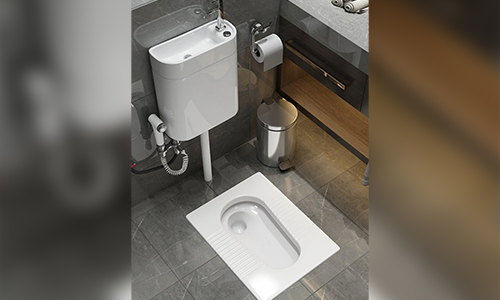
Nearly all Nepalese bathrooms (especially outside luxury hotels) have bins for paper. Nepal’s plumbing “cannot handle toilet paper being flushed”, so waste paper goes straight in the bin. Even if you spot a Western-style toilet, the rule is the same.
14. China
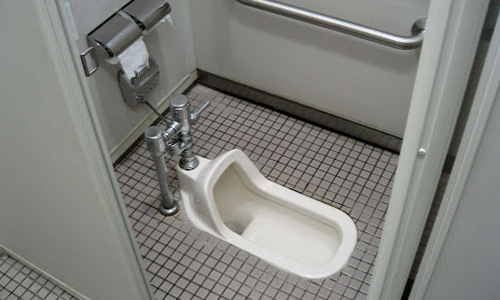
Many places in China advise bringing your own TP (public restrooms often don’t supply any). Large cities have improved sewers, but Chinese travelers still often use bins. It’s safest to assume you need to bin it in local public toilets (especially rural ones).
15. South Korea
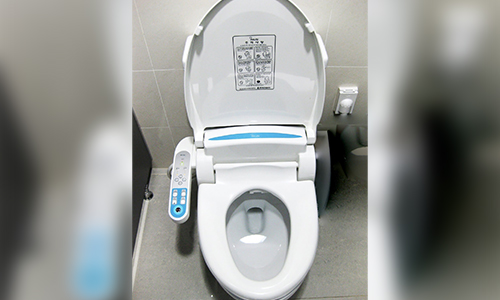
South Korean restrooms usually require you to bring tissue. This isn’t because the pipes are tiny (the infrastructure is good), but because paper theft in public loos meant sometimes no TP is provided. When TP is provided, flush is usually fine, but many travelers still carry a pack just in case.
16.Thailand
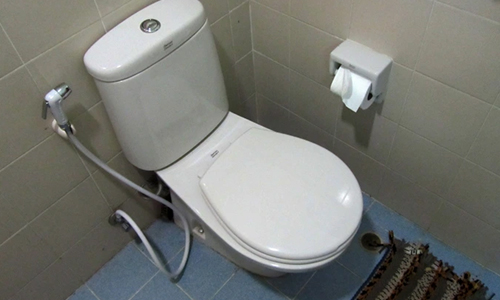
In Thailand plumbing varies. Bangkok hotels usually allow flushing, but many smaller hotels and public toilets say no TP in the bowl. It’s common to find a sign or even a foot-pedal bin in Thai restrooms. Instead of paper, Thais often use a “bum gun” bidet sprayer and toss any paper. (One visitor noted nearly every Thai toilet has a sprayer, so no-tp rules feel natural there.)
17. Vietnam
Most public restrooms in Vietnam come with bins. Vietnamese pipes can clog easily, so they often request you to bin the paper. Like Thailand, Vietnam favors water cleaning.
18. Cambodia
In Cambodia’s cities and villages, toilet paper goes in the wastebasket. If you flush it in Cambodia’s plumbing, expect instant clogging. Cambodians routinely provide a bin for used TP.
Indonesia: Even in modern Indonesian hotels you’ll usually be instructed not to flush paper. As one visitor wrote, “I stayed in a luxury home…except you had to toss your toilet paper into a bin instead of flushing it”. Indonesia’s public and private toilets almost always come with a bin and a sprayer.
19. Egypt
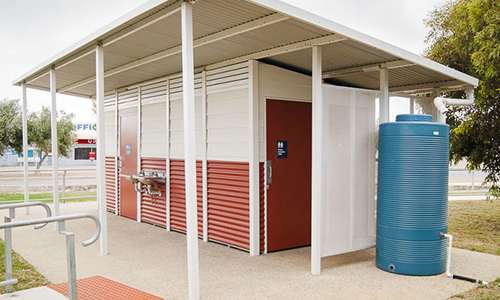
Virtually all of Egypt follows this rule. From Cairo to rural villages, the sewers “can’t cope” with TP. If you flush paper in Egypt, you may create a backup – locals simply use a small bin. (This isn’t limited to ancient sites – even modern hotels often remind guests to bin it.)
20. Morocco
Many Moroccan toilets (especially outside big cities) advise against flushing TP. Like in Egypt, Moroccan sewage often uses septic tanks or simple treatment that paper clogs. You’ll usually see a “no paper” sign.
21. Costa Rica
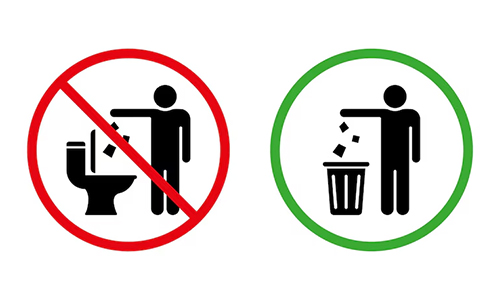
Here’s a classic example – the mantra “No tirar papel al inodoro” (Don’t throw paper in toilet) is everywhere in Costa Rica. Almost all Costa Rican homes and businesses have small septic systems. Signs warn you that only the “no-soiled” end of a tissue is flushed and the rest goes in the bin. If you ignore it, you’ll cause messy backups in the pipes.
22. Mexico
Most visitors to Mexico learn quickly: Don’t flush toilet paper outside major resorts. The reasons are debated, but one expert notes smaller drains and septic tanks make flushing impractical. As a result, in Mexican homes, restaurants and cheap hotels you’ll find a little wastebasket by the loo and the custom is to bin used TP. (Upscale resorts often have beefed-up plumbing so flush is OK, but the general rule in towns is “bin it.”)
23. Brazil
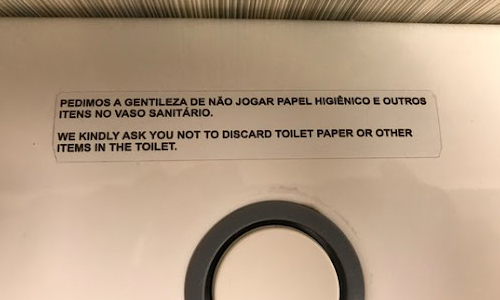
In Brazil, flushing toilet paper is generally a no-go. Brazilian pipes are often narrow, and it’s common practice to put used paper in a bin. One travel blog bluntly puts it: “Because of [narrow piping], you are not permitted to flush anything that did not first pass through your body…This includes…toilet paper”. You’ll almost always find a wastebasket in Brazilian stalls.
24. Peru
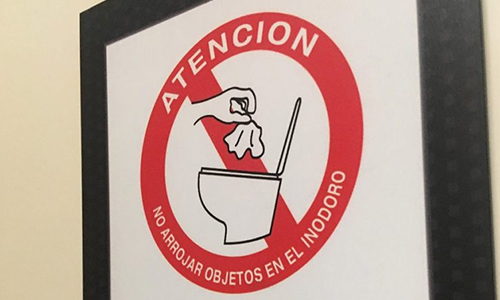
Flushing TP is usually discouraged in Peru’s older buildings. Many Peruvian cities have aging sewer systems that clog easily, so locals expect visitors to use the bin. (Signs in Peru often emphasize only human waste in the bowl.)
25. Ecuador
As in neighboring Peru, numerous Ecuadorian towns ask you not to flush paper. Ecuador’s plumbing – especially in the Andes – is often unable to handle TP. You’ll see the same “no paper” warnings.
26. Rural South America
Outside the big cities, many Latin American villages and rural areas have septic or simple sewage. As a rule of thumb in much of South America, if a sign or bin is provided, follow it. Towns across the continent (in the Andes, Amazon region, and Caribbean coast) may consider flushing paper a plumbing offense.
27. Caribbean Islands
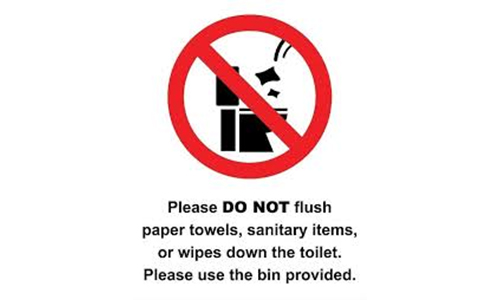
On smaller Caribbean islands (e.g. Cuba, many parts of Central America/Caribbean), septic tanks are common and often small. Travelers report that even brand-new hotels in Cuba insist on binning TP. In general, if you’re on an island with limited infrastructure, it’s safer to use the bin. (Larger resorts with their own treatment plants are an exception.)
Countries Where You can Flush Toilet Paper
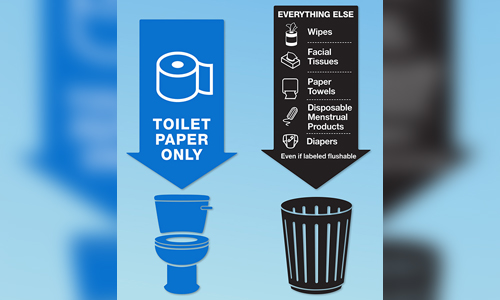
It’s worth noting that some developed countries routinely flush TP with no worries – for example, the U.S., Canada, Australia, Japan, Scandinavia, France, Germany, and most of Europe outside the above list. These places have robust sewage systems (at least in cities). But when in doubt, look for a sign or ask a local.
What Happens if You Flush Anyway?
The short answer: a toilet disaster. You’re likely to cause clogs. In places with tiny pipes or septic tanks, flushing paper can mean sewage backing up (sometimes visibly!). It’s expensive and gross. One US traveler describes how tourists who flush in Greece eventually “shut down our toilet and produced an unexpectedly rushed trip by plumber” (not a vacation souvenir anyone wants). As Upworthy noted, your innocent flush might result in a “terrible sewage smell” wafting through the street until the clogged pipes are blasted.
In extreme cases, the bowl can overflow. In short – don’t be that person who floods the bathroom because “it flushes at the source.” Follow the rule or endure the (smelly) consequences. What to do instead: When in a “no-flush” country, look for the waste bin. Fold or wrap your TP and drop it there.
Always carry a small packet of tissues or wet wipes when traveling in these regions. Also, embrace the sprayer or bucket: many travelers find water cleaning cleaner anyway (and possibly more hygienic). If you absolutely must flush (say you’re in a pinch), do only a tiny wad of paper at a time, but it’s better to politely use the bin. As one piece of travel folklore advises: “when in doubt, toss it out.”
FAQs You Must Know Before Flushing Your Toilet Paper
Which countries can’t flush toilet paper?
Many countries have signs banning TP flushing. Notable examples include Greece, Turkey, Cyprus, much of Eastern Europe (e.g. Bulgaria, Bosnia, Montenegro, North Macedonia, Moldova, Ukraine, Belarus), as well as India, Pakistan, Nepal, China, South Korea, Egypt, Morocco, and most of Latin America (Mexico, Peru, Ecuador, Costa Rica, Brazil, and rural areas throughout South America). Other places like Cuba and many Caribbean islands also follow this rule. Essentially, if a country has older plumbing or septic tanks, expect a “bin it” sign.
Why can’t you flush toilet paper in some countries?
The main reasons are plumbing and sewage design. In many places, sewer pipes are narrow or antiquated, and flushing paper would clog the system. For example, Greek pipes are only 2 inches wide. Some countries use septic tanks that can’t break down paper quickly. Because of this, they require all toilet paper to go into a special bin, and only liquid waste is flushed. It’s not about dirtiness; it’s about protecting the plumbing.
What happens if I ignore the rule and flush anyway?
You might trigger a clog or sewage backup. This can lead to a smelly bathroom disaster or even flooding. In worst cases, neighbors may smell waste or hear pumps running to clear the blockage. Plus, it’s embarrassing and costly for the bathroom owner. Simply: flushing where it’s forbidden creates plumbing emergencies.
Are there signs or hints in the bathroom?
Yes. Look for pictograms or text like “Do not flush paper” or “Use bin for sanitary waste.” In unfamiliar alphabets, any bin next to the toilet is a clue. Many restrooms have labeled bins, sometimes with foot pedals and lids, just for this purpose. If you see one, it means TP goes there, not down the drain.
If I can’t flush TP, what do I do instead?
Most places that ban flushing either provide a bum-gun sprayer (handheld water spray) or expect you to wash with a small bucket of water. The water method is common in Asia and the Middle East. Carry tissues or wet wipes with you, then dispose of them in the bin. After you’re done, throw (or flush) the water you used as is customary. Essentially, clean with water and bin the paper. It may feel odd at first, but it works!
Can you flush toilet paper in Europe?
For the most part, Western Europe allows TP flushing. Germany, France, Italy, Spain, the UK, Scandinavia and others all use US-style plumbing where TP is flushable. However, several European countries do NOT allow it: Greece, Turkey, Cyprus, and many Eastern European/Balkan states (Bosnia, Bulgaria, North Macedonia, Montenegro, Moldova, Ukraine, Belarus) require binning. So in Europe, “yes” in the west and “no” in parts of the south/east.
Which cultures don’t flush toilet paper?
It’s more about infrastructure than culture, but it correlates with regions that traditionally use water for cleaning. In much of South Asia (India, Pakistan, Bangladesh), the Middle East, and Southeast Asia, people have long used a hand-held bidet or bucket and water instead of solely paper. In those cultures, using paper isn’t emphasized anyway, so asking to bin the paper fits the local hygiene habits. In contrast, Western cultures traditionally wipe with paper and have plumbing to match.
Are there any countries where you can flush toilet paper safely?
Absolutely. Developed countries with modern sewer systems generally allow it. The U.S., Canada, Australia/New Zealand, Japan, South Korea, China (in big cities), and most Western and Northern European countries (UK, France, Germany, Italy, Spain, Nordics, Benelux, etc.) all treat TP as flushable. In these places, you won’t typically see a “no paper” sign. Always check local advice, but these nations are green-lit for TP flushing.
Where can I find a map of which countries flush TP?
Online travel blogs have made maps, like the one above. They color-code each nation (green means “yes, flush OK”, red means “no, use bin”). One popular map categorizes most of Asia, Eastern Europe, and Latin America in red. Searching for “toilet paper flush world map” should find similar infographics.
Why don’t some countries flush toilet paper instead of using water?
In many of the countries that ban TP flushing, water cleaning is the norm anyway. For example, in India, using a bidet/spray (or even just a pot of water) is standard. These cultures never relied on paper alone, so plumbing was never designed for paper. In short, they already have an effective cleaning routine with water, and the waste system is built around liquid waste. Therefore, “toilet paper culture” never took over.
What if I’m in Europe or North America – can I be lax?
Even in flush-friendly countries, be careful. Many older homes in Europe (like apartment buildings) still have limited plumbing, so always check signs. But in general, yes – if you’re in the US, Canada, or Western Europe, you can flush normally unless you see a specific warning.
Where is this practiced in rural areas?
In rural or undeveloped areas worldwide, flushing TP is often impossible simply because toilets are septic or pit-latrines. Across rural South America, Africa, or Asia, expect no flush – locals usually carry their own TP or use water. The only real way to know is to see if a bin is provided.
Is it rude or unsanitary to use the bin?
Absolutely not – locals consider binning normal, not disgusting. As one guide explained, many people worry about used paper sitting in a bin, but bins are lined and emptied frequently. By thoughtfully wrapping your paper before tossing, you’ll cause no offense. It’s far better (for everyone’s health) than gumming up the toilet.
Americans and other flush-culture folks will often be surprised by these bathroom rules. But for local hosts, it’s just common sense. Nearly everywhere that bans TP-flushing has a simple reason: avoiding plumbing calamities. So next time you travel, keep an eye on the sign – and when in Rome (or Cairo, Athens, Mexico City, etc.), do as the locals do: bin it, don’t flush it.