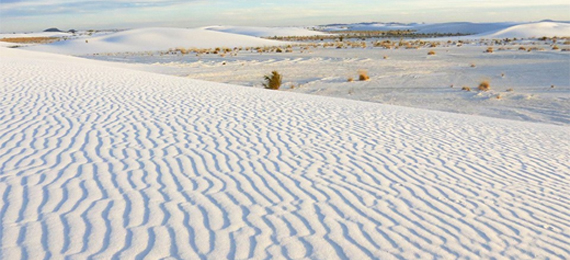
Nestled in the heart of New Mexico, White Sands National Park is a place where nature’s beauty and mystery come together in a way that feels almost magical. Unlike traditional dunes composed of silica, White Sands’ dunes offer a unique and otherworldly experience. Well, in this blog, we’ll explore White Sands from multiple angles that will make you want to pack your bags and head straight for the dunes!
A Day in the White Sands National Park New Mexico
1. The Magic of Gypsum
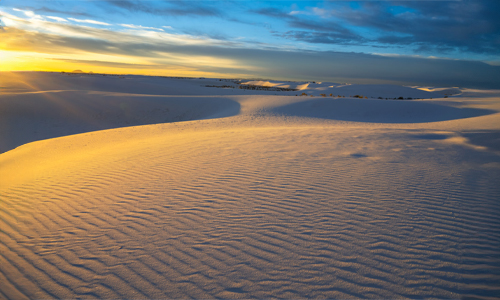
As the first rays of dawn paint the sky in hues of orange and pink, a dune in White Sands National Park awakens. Its surface, composed of millions of tiny crystals of gypsum, reflects the light, creating a dazzling spectacle. Its soft, powdery texture and ability to reflect light make it unlike any other sand. This mineral, usually dissolved and washed away by water, remains here because the Tularosa Basin is landlocked, leaving behind these dazzling white grains.
What mineral primarily composes the dunes at White Sands National Park?
- A. Quartz
- B. Gypsum
- C. Limestone
- D. Granite
2. A Cool Oasis in the Desert Heat
As the day progresses and the desert sun reaches its peak, you might expect the dunes to become scorching hot. Surprisingly, they remain cool to the touch. This phenomenon is a result of gypsum’s low thermal conductivity, which means it doesn’t conduct heat as efficiently as other materials. This keeps the dunes comfortable to walk on even during the hottest parts of the day.
3. Twilight Transformations
As the sun begins its descent, the dunes undergo a dramatic transformation. The winds pick up, gently shifting the sand and subtly reshaping the landscape.
Secrets Beneath the Sands

Did you know that millions of years ago, White Sands National Park was the bottom of a vast, ancient sea? Over time, as the sea evaporated, it left behind massive gypsum deposits. Fast forward a few million years, the land shifted and rose, and the gypsum was exposed and shaped by wind and water, creating the stunning dunes we see today.
4. Fossil Finds beneath the Dunes
Paleontologists have discovered ancient fossils beneath the surface of these white sand dunes. These fossils, some dating back thousands of years, provide a glimpse into the prehistoric life that once roamed this area, including marine creatures, reptiles, and even early mammals.
5. Underground Waterways
And beneath these shifting sands lies another secret—underground rivers and aquifers contribute to the formation and preservation of the dunes, creating a delicate balance in this desert ecosystem.
White Sands: A Natural Phenomenon in Numbers
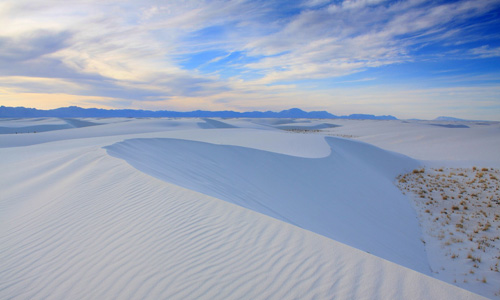
Let’s talk numbers for a moment because they put into perspective just how extraordinary this place is.
6. The Size and Scale
White Sands National Park covers an area of approximately 275 square miles (712 square kilometers). That’s bigger than some entire cities! The dune field itself is approximately 115 square miles, making it one of the largest gypsum dune fields in the world. It’s a vast, ever-changing sea of white that attracts nearly 600,000 visitors each year.
7. The Age of the Dunes
These dunes aren’t just large—they’re ancient. The gypsum crystals that make up the dunes are estimated to be millions of years old. The dunes themselves are believed to have formed over thousands of years as wind and water sculpted the gypsum deposits. The rate of dune movement varies depending on wind conditions. The dunes shift up to 30 feet every year, constantly reshaping the landscape in ways that are hard to imagine until you see it.
8. Wildlife by the Numbers

And let’s not forget the wildlife. Over 600 species of plants and animals call this park home, each perfectly adapted to survive in this extreme environment. From the bleached earless lizard, the desert tortoise, and various species of birds to the soaptree yucca.
Myths and Mysteries of the White Sands

With a place as unique as White Sands, it’s no surprise that myths and legends abound.
9. The Legend of the White Sea
Some legends speak of a mystical white sea that once covered the land, leaving behind the sands as it retreated. While these stories are captivating, science tells us that the dunes are the result of ancient sea beds drying up, leaving behind the gypsum that forms today’s dunes.
10. The Spirit of the Sands
Some believe that the dunes are inhabited by spirits or otherworldly beings. The eerie sounds created by the wind and shifting sands can sometimes be unsettling, leading to tales of ghostly encounters. They say that at night, you can hear whispers on the wind, the voices of those who once wandered these dunes.
11. The Disappearing Footprints
It’s a common experience for visitors to White Sands to leave footprints in the sand only to find them mysteriously erased a short time later. The sudden disappearance of footprints can add to the sense of mystery and wonder that surrounds the park.
Time Traveler’s Tour of White Sands

Let’s take a journey back in time. Imagine standing in White Sands, not as it is today, but millions of years ago when it was part of a vast prehistoric ocean. The ancient sea was home to a variety of marine creatures, including fish, sharks, and even marine reptiles. It’s a landscape that has seen dramatic transformations, from ocean to desert, with each stage leaving its mark.
12. The Age of Mammals
Fast forward to the age of mammals, when giant creatures like camels and horses roamed this land. The oldest fossils of these ancient animals have been unearthed in the park, offering a tantalizing glimpse into a time when the world was very different.
13. White Sands National Monument New Mexico
White Sands has a rich history in the modern era as well. The first humans to inhabit the White Sands region were the Mescalero Apache tribe. They lived in harmony with the land, utilizing the natural resources for their survival. In 1933, the area was designated a national monument, protecting the unique dunes and their surrounding ecosystem, and finally, a national park in 2019. Each era has left its mark, adding layers of history to this already fascinating place.
White Sands Survival: Adapting to an Extreme Environment
Life in White Sands is anything but easy.
14. Flora and Fauna
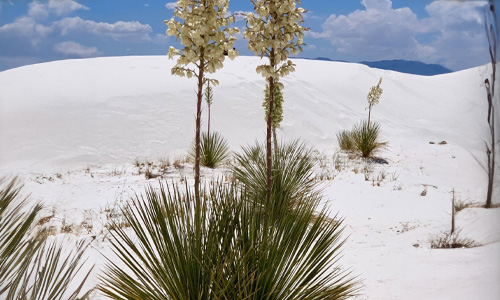
The plants and animals here have had to adapt in some incredible ways. Take the soaptree yucca, for instance. This hardy plant has deep roots that tap into underground water, allowing it to survive in the arid environment. Then there’s the bleached earless lizard, whose pale coloration reflects sunlight and stays cool. It helps it blend in with the white sands, offering protection from predators.
15. Human History
The Mescalero Apache tribe and Native Americans, such as the Jornada Mogollon have a long history of living in the White Sands region. They developed a deep understanding of the land and its resources, adapting their lifestyle to the harsh conditions. Archaeological evidence suggests that they used the dunes for shelter and as a source of gypsum for tools and pottery.
16. Modern Adaptations
Today, White Sands National Park is a popular tourist destination. The park’s infrastructure, including roads, trails, and visitor centers, has been carefully designed to minimize its impact on the environment. Sustainable practices, such as solar power, water conservation, waste management, and careful visitor management are just a few of the ways that the park is working to ensure that White Sands remains a natural treasure for generations to come.
Traveler’s Guide: Unexpected Facts About White Sands
Planning a trip to White Sands? Here are some tips mixed with a few surprising facts.
17. Plan Your Visit

When planning a trip to White Sands National Park, it’s important to be prepared for the unique conditions. The best time to visit White Sands National Park largely depends on your preferences for weather and activities, but here are some general recommendations:
Best Time for Comfortable Weather
Late Fall (October to November) and Early Spring (March to April):
These months offer mild temperatures, making them ideal for hiking, exploring, and photography. Daytime highs range from the 60s to 70s °F (15-25 °C), and the cooler evenings are perfect for stargazing.
Summer months (June to August) can be extremely hot, with temperatures often exceeding 100 °F (38 °C). If you visit during this time, plan outdoor activities for early morning or late evening to avoid the heat.
By choosing the time that best suits your interests, you can have a memorable experience at White Sands National Park.
Visitors should bring plenty of water, sunscreen, sunglasses, and a hat to protect themselves from the sun. And don’t forget a good pair of shoes—the sand may be cool, but it can still be tough on your feet. It’s also a good idea to bring a camera to capture the stunning scenery.
18. Top Spots to Explore
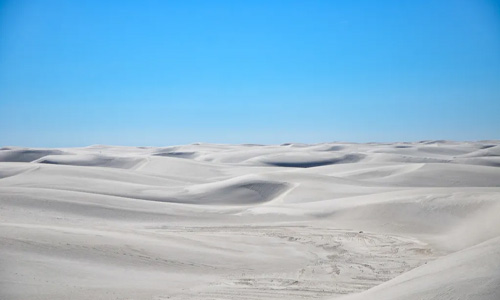
White Sands National Park offers several other interesting areas to explore. Lake Lucero, a natural lake formed by groundwater, is a popular destination for birdwatching and fishing. This seasonal lake is where the gypsum crystals first form before being carried by the wind to the dunes. The Alkali Flats, a flat, white expanse of salt-encrusted land, is another unique feature of the park.
White Sands National Park: A Photographer’s Dream
If you’re into photography, White Sands is a dream come true. The interplay of light and shadow on the white sands creates stunning, almost surreal images that are unlike anything else.
19. Best Times to Capture the Dunes
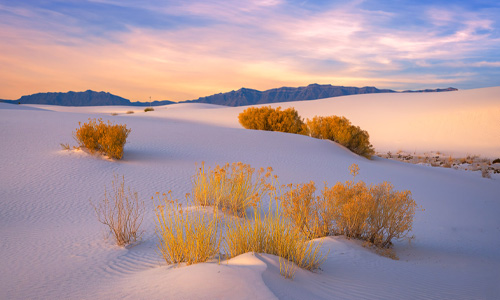
The best time to photograph White Sands National Park is during the golden hours—just after sunrise and before sunset, when the light is soft and the shadows are long. The light during these times adds depth and warmth to the already stunning landscape.
20. Wildlife and Nature Photography

White Sands National Park offers excellent opportunities for wildlife photography. Visitors can spot a variety of animals and various species of birds. The park’s unique ecosystem provides a stunning backdrop for nature photography. While it might be challenging to spot them, the reward is worth it.
A Symphony in White: The Sounds of White Sands
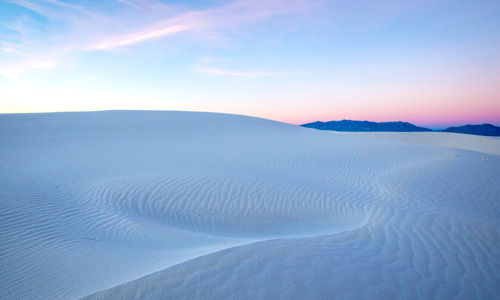
White Sands isn’t just a feast for the eyes—it’s an experience for the ears as well. The dunes themselves seem to whisper as the wind moves the sand, creating a sound that’s both eerie and soothing.
21. Wildlife Calls
At night, the park comes alive with the sounds of wildlife. From the calls of owls, and the rustle of small mammals, to the occasional howl of a coyote, the desert is far from silent after dark. These sounds are a testament to the thriving ecosystem that exists here, even in the absence of water.
22. The Sound of Silence
In today’s noisy world, true silence is a rare commodity. White Sands offers one of the few places where you can experience it. The park’s quiet zones are specially designated areas where visitors are encouraged to embrace the silence, offering a meditative experience that’s increasingly hard to find.
Night at White Sands: Under the Desert Sky
When the sun sets, White Sands transforms into a whole new world.
23. Stargazing Opportunities
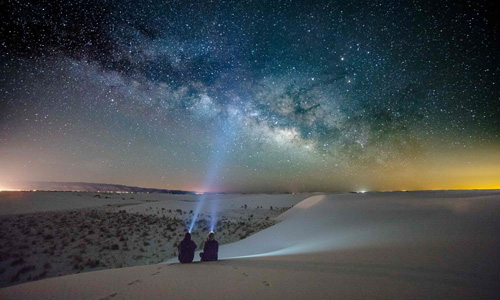
As a designated dark sky site, White Sands offers some of the best stargazing opportunities in the country. With minimal light pollution, the night sky here is a canvas of stars, offering breathtaking views of celestial events like stars, planets, and galaxies.
24. Night Tours and Activities
The park offers night tours that provide a unique perspective on this magical landscape. These tours often include stargazing sessions, guided hikes, and campfire programs.
25. The Moonlit Dunes
There’s something truly magical about seeing the dunes under the light of the moon. The gypsum reflects the moonlight, creating a glowing, almost ethereal landscape that feels like something out of a dream. It’s an experience that’s hard to describe but impossible to forget.
White Sands: A Must-Visit Destination
White Sands National Park is a place of wonder, where nature’s beauty and mystery come together in a landscape like no other. It’s a place that captivates the imagination and invites exploration. Whether you’re a first-time visitor or a seasoned traveler, there’s always something new to discover at White Sands. So, why not plan a trip and see it for yourself? And if you’ve already been, share your experiences or any interesting facts you’ve learned—because at White Sands, there’s always more than meets the eye.