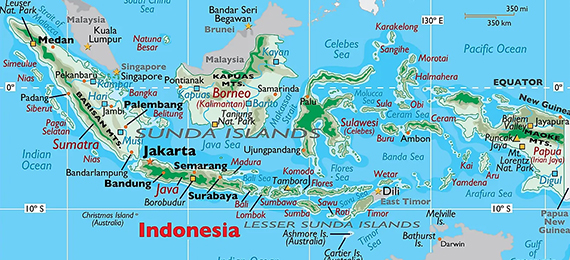
Indonesia, a stunning Southeast Asian archipelago of over 17,000 islands, is nestled between the Indian and Pacific Oceans. Its geographic location—along the Pacific Ring of Fire—makes it extremely vulnerable to volcanic eruptions, earthquakes, and tsunamis. Over the centuries, the country has faced several devastating natural disasters. Here’s a look at the worst disasters that have shaken Indonesia to its core.
List of Indonesia’s Worst Natural Disasters
Tambora Eruption (April 10, 1815)
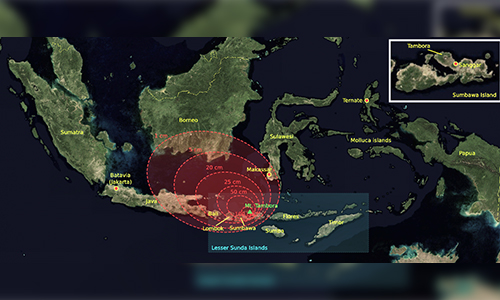
Mount Tambora’s eruption on April 10, 1815, in Sumbawa, is considered one of the most violent volcanic eruptions in recorded history. The explosion killed an estimated 100,000 people directly and indirectly through starvation and disease, triggered by drastic climate changes. The eruption was so powerful it contributed to the “Year Without a Summer” in 1816, affecting global agriculture.
What was the deadliest natural disaster in Indonesia’s history?
- A. Krakatoa eruption (1883)
- B. Tambora eruption (1815)
- C. Palu tsunami (2018)
- D. Lombok earthquake (2018)
Indian Ocean Tsunami (December 26, 2004)
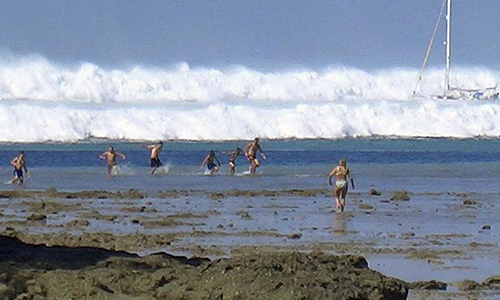
The 2004 tsunami remains one of the deadliest disasters in modern history. Triggered by a 9.1-magnitude undersea earthquake, the tsunami devastated Indonesia’s Aceh province, killing over 170,000 Indonesians and 230,000 people worldwide. It also caused widespread destruction in Thailand, Sri Lanka, and India. Entire communities were wiped out, and it took years to rebuild lives and infrastructure.
Yogyakarta Earthquake (May 24, 2006)
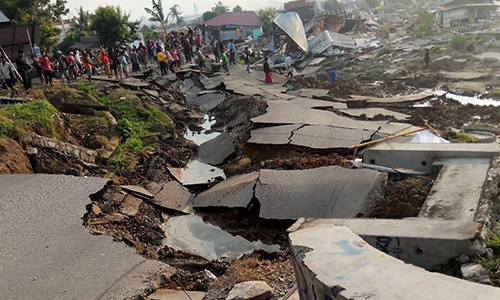
At around 5:54 AM, a powerful 6.4 magnitude earthquake struck the province of Yogyakarta and Bantul regency, claiming the lives of 5,700 people. More than 45,000 were injured, and thousands of buildings were damaged. Despite its medium strength, the quake’s shallow depth and proximity to residential areas magnified its devastation.
Lombok Earthquakes (July 29 – August 18, 2018)
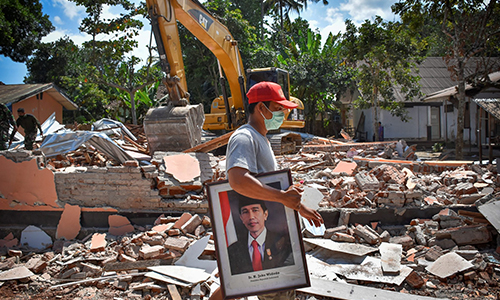
Lombok, a favorite tourist destination, was hit by a series of earthquakes in mid-2018. The strongest reached 6.9 magnitude, killing over 560 people and injuring more than 1,000. These back-to-back tremors led to landslides, damaged infrastructure, and mass evacuations. Fear and panic rippled through communities as the quakes continued for weeks.
Palu Earthquake and Tsunami (September 28, 2018)
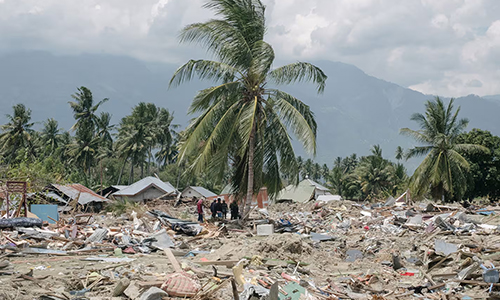
A 7.5 magnitude earthquake off the coast of Sulawesi triggered a tsunami that struck the city of Palu. The combination of quake, tsunami, and liquefaction (where the earth turns to liquid) led to the deaths of over 4,300 people. Entire neighborhoods were swallowed by the earth, and thousands were displaced.
Mount Merapi Eruptions (Multiple Years)
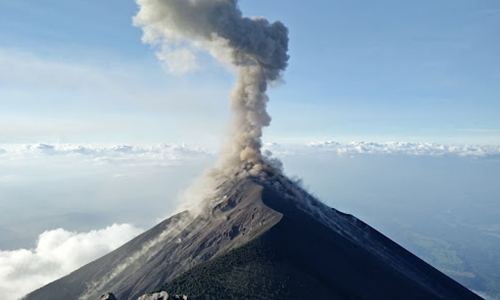
Mount Merapi, one of Indonesia’s most active volcanoes, has erupted numerous times over the years. The 2010 eruption killed more than 350 people and forced the evacuation of nearly 400,000 residents. The volcano continues to pose a threat, with minor eruptions recorded in 2020, 2021, and 2023. The area remains under close geological surveillance.
Indonesia’s Approach to Disaster Management
Indonesia has made significant strides in disaster preparedness and response. With the establishment of BNPB (National Disaster Management Authority), early warning systems, and better infrastructure planning, the country is more resilient than ever. However, due to its geological vulnerability, disasters remain a part of daily life—and constant readiness is essential.
From volcanic explosions to devastating tsunamis, Indonesia has faced the wrath of nature countless times. While it continues to rebuild and adapt, these tragedies remain a stark reminder of the country’s geographical challenges and the resilience of its people.
Everything You Must Know about Worst Diasters of Indonesia
What caused the 2004 Indian Ocean tsunami?
It was caused by a 9.1-magnitude undersea earthquake near Sumatra, which triggered massive tsunami waves across the Indian Ocean.
Which is the deadliest volcanic eruption in Indonesian history?
The Mount Tambora eruption in 1815 is considered the deadliest, with an estimated 100,000 deaths and global climate effects.
What makes Indonesia prone to so many natural disasters?
Indonesia lies on the Pacific Ring of Fire, where multiple tectonic plates meet, making it vulnerable to earthquakes, volcanic eruptions, and tsunamis.
Is disaster management improving in Indonesia?
Yes, Indonesia has advanced early warning systems, emergency response teams, and public awareness campaigns, but challenges remain due to its diverse geography.
How often does Mount Merapi erupt?
Mount Merapi is one of Indonesia’s most active volcanoes, with frequent eruptions almost every few years. Major eruptions occurred in 2010, 2018, and 2020.