Airports are one of the busiest places in the world as it is always filled with people from all walks of life. Did you know the world’s biggest busy airport? If not, this blog is specially curated for you!
Here is a detailed explanation of the world’s biggest busy airport based on passenger traffic:
Top 10 World’s Biggest Busy Airport
1. Hartsfield-Jackson Atlanta International Airport (ATL), USA
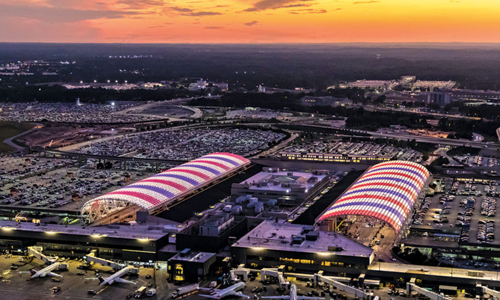
Where is Hartsfield-Jackson Atlanta International Airport (ATL) located?
- A. Texas, USA
- B. Atlanta, Georgia, USA
- C. Paris, France
- D. London, United Kingdom
- Passenger Traffic: 93.7 million passengers annually.
- Location: Atlanta, Georgia, USA.
- Significance: ATL has been the biggest passenger airport in the World since 1998, except for a brief period during the COVID-19 pandemic. It is a major hub for Delta Air Lines and a key connecting point for domestic and international flights across the southeastern United States. Its strategic location makes it a crucial gateway for both passenger and cargo traffic.
- Facilities: The airport has two terminals (Domestic and International) with multiple concourses (T, A, B, C, D, E, and F. It offers extensive amenities for travelers including a wide variety of dining options, shopping areas, lounges, and efficient ground transportation systems like the ATL SkyTrain and MARTA rail service.
2. Dallas/Fort Worth International Airport (DFW), USA
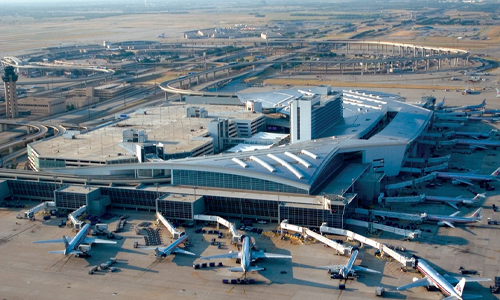
- Passenger Traffic: 81.8 million passengers annually.
- Location: Dallas and Fort Worth, Texas, USA.
- Significance: DFW is a major hub for American Airlines and is one of the largest and busiest airports in the world by area. It plays a crucial role in connecting flights between the East and West coasts of the United States, as well as international destinations. DFW is known for its large area and efficient operations.
- Facilities: DFW has five terminals (A, B, C, D, and E) with a wide array of services, including luxury lounges, hotels, shops, restaurants, a variety of retail shops, and a highly efficient transportation system. It also features an efficient Skylink train system that connects all terminals, enhancing passenger convenience.
3. Denver International Airport (DEN), USA
- Passenger Traffic: 77.8 million passengers annually.
- Location: Denver, Colorado, USA.
- Significance: DEN is one of the largest airports in the USA by land area and serves as a major hub for United Airlines and Frontier Airlines. It serves as a key gateway to the Rocky Mountain region and numerous domestic and international destinations.
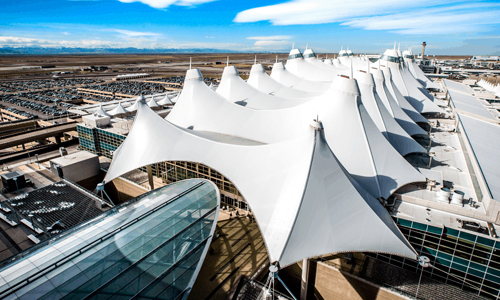
- Facilities: The airport is known for its distinctive tent-like roof design and includes three midfield concourses (A, B, and C). It offers a variety of amenities such as dining, shopping, and art installations. DEN also has extensive ground transportation options, including rail connections to downtown Denver.
4. Chicago O’Hare International Airport (ORD), USA
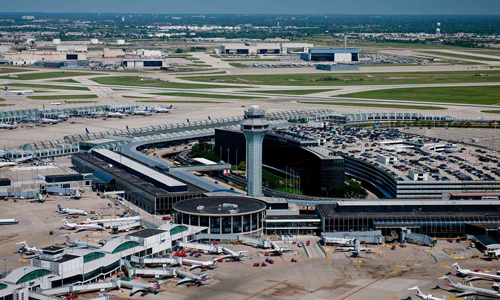
- Passenger Traffic: 75.7 million passengers annually.
- Location: Chicago, Illinois, USA.
- Significance: ORD is one of the world’s biggest busy airports in the United States and a major hub for both United Airlines and American Airlines. It is a critical connection point for flights throughout North America, Europe, and Asia. ORD consistently ranks among the top in terms of both passenger and cargo traffic.
- Facilities: The airport has four terminals (1, 2, 3, and 5) with numerous amenities, including shops, restaurants, and lounges, as well as robust ground transportation options like the ATS (Airport Transit System) which connects all terminals and parking lots.
Must Read: Countries That Don’t Have Airport
5. Dubai International Airport (DXB), UAE
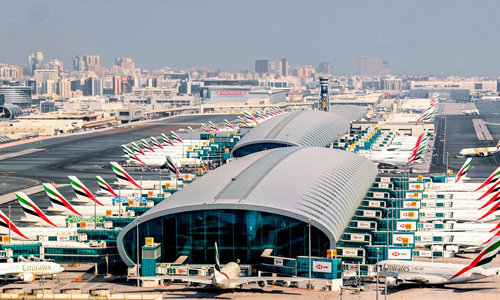
- Passenger Traffic: 66.1 million passengers annually.
- Location: Dubai, United Arab Emirates.
- Significance: DXB is a major global hub and the busiest airport outside of the United States and serves as the primary hub for Emirates and Flydubai. It facilitates long-haul flights between the Americas, Europe, Asia, and Australia.
- Facilities: The airport consists of three terminals (T1, T2, and T3). T3, dedicated to Emirates, is one of the largest airport terminals in the world. DXB is renowned for its luxury shopping, dining options, and amenities, including a large duty-free shopping area and numerous lounges. It also features a state-of-the-art baggage handling system and efficient ground transportation options.
6. Los Angeles International Airport (LAX), USA
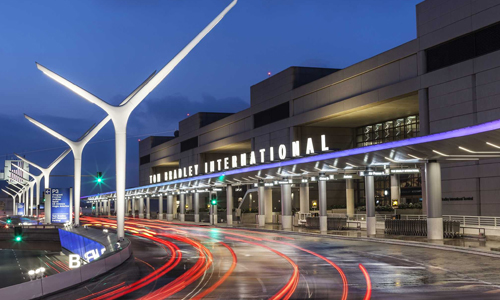
- Passenger Traffic: 65.9 million passengers annually.
- Location: Los Angeles, California, USA.
- Significance: LAX is a major gateway for international travel, particularly to and from the Asia-Pacific region. It is a hub for several major airlines, including American Airlines, Delta Air Lines, and United Airlines.
- Facilities: LAX has nine terminals connected by a U-shaped two-level roadway. Each terminal offers extensive services including shopping, and dining options and lounges. The airport is undergoing significant renovations to improve passenger experience and connectivity, including the Automated People Mover system currently under construction.
7. Istanbul Airport (IST), Turkey
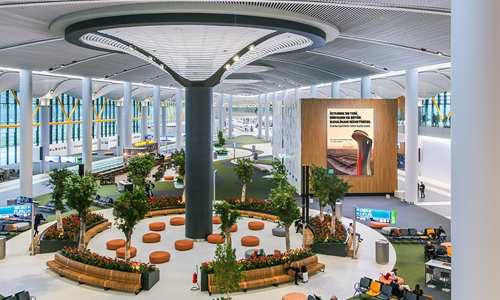
- Passenger Traffic: 64.3 million passengers annually.
- Location: Istanbul, Turkey.
- Significance: IST is a major global aviation hub that opened in 2018. It has quickly become one of the busiest airports in the world. It also serves as the primary hub for Turkish Airlines and connects Europe, Asia, and Africa.
- Facilities: The airport features a single terminal designed for both domestic and international flights. The airport is especially known for its modern design and advanced technological infrastructure, extensive shopping and dining options, efficient ground transportation connections, and modern design aimed at enhancing passenger experience.
8. Heathrow Airport (LHR), UK
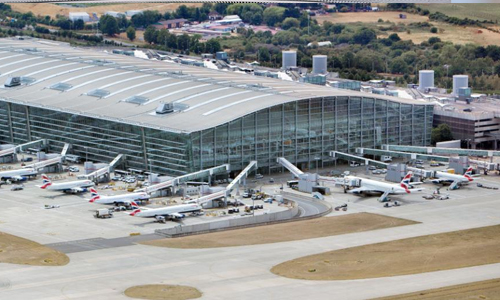
- Passenger Traffic: 61.6 million passengers annually.
- Location: London, United Kingdom.
- Significance: LHR is the world’s biggest busy airport in Europe and a key hub for international travel. It serves as the primary hub for British Airways and is a major gateway for flights between Europe and North America, Asia, and other regions.
- Facilities: Heathrow has four terminals (2, 3, 4, and 5) offering a wide range of services, including premium lounges, extensive shopping, and dining options. The airport is known for its focus on passenger experience and operational efficiency.
Related: Surprising Facts about Air Force One That Will Blow Your Mind
9. Indira Gandhi International Airport (DEL), India
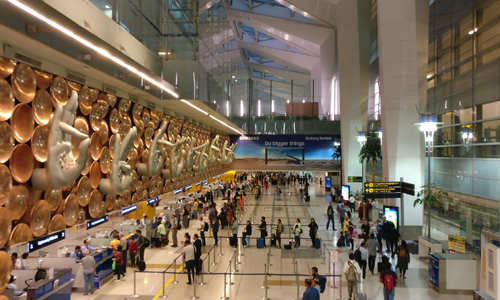
- Passenger Traffic: 59.5 million passengers annually.
- Location: New Delhi, India.
- Significance: DEL is the busiest airport in India and a major hub for international and domestic flights. It serves as the primary hub for Air India, IndiGo, and several other Indian carriers. The airport plays a crucial role in connecting India with the rest of the world.
- Facilities: The airport features three terminals (T1, T2, and T3), with T3 being one of the largest in the world. DEL offers a wide range of amenities including dining, shopping, lounges, and a spa. It also has efficient ground transportation options, including metro and bus services which enhance the passenger experience.
10. Charles de Gaulle Airport (CDG), France
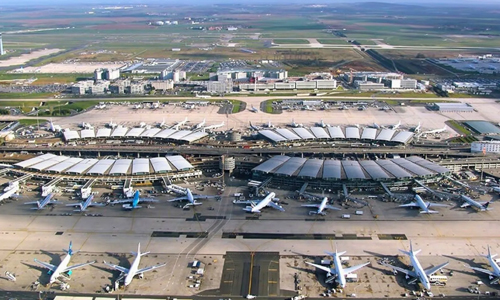
- Passenger Traffic: 57.5 million passengers annually.
- Location: Paris, France.
- Significance: CDG is the largest and busiest airport in France and a major European hub. It serves as the primary hub for Air France and is a key gateway for flights to and from Europe, North America, Africa, and Asia.
- Facilities: Facilities: The airport has three main terminals (T1, T2, and T3) offering a wide range of services including shops, restaurants, and lounges. CDG is known for its efficient transportation connections, including high-speed rail links and extensive public transport options.
Hence, these airports are vital nodes in the global aviation network, facilitating millions of passengers and playing crucial roles in international travel and commerce.