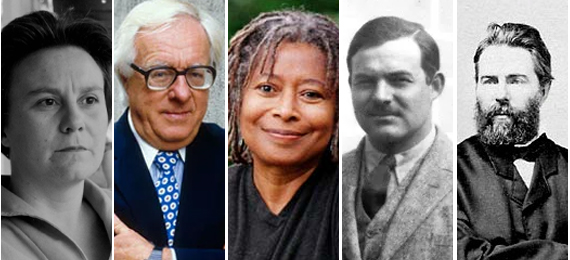
American literature is home to some of the most impactful stories ever written. These writers not only captured the essence of their times but also explored universal themes that continue to resonate today. Here’s a closer look at 55 famous American authors, each accompanied by details about their themes and lives.
55 Famous American Authors
1. Harper Lee
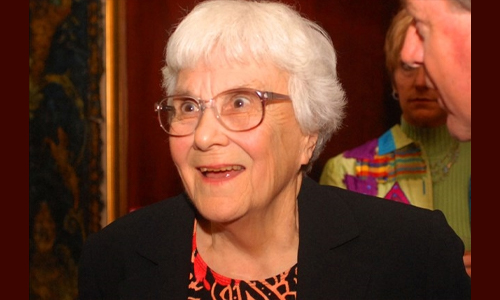
Harper Lee is best known for her groundbreaking novel, To Kill a Mockingbird. Published in 1960, this novel examines racial injustice and moral integrity in the American South through the eyes of young Scout Finch. Lee’s simple, poignant storytelling style captures complex issues, making her work a staple in American classrooms and social justice discussions.
Who wrote To Kill a Mockingbird, a novel about racial injustice?
- A. Harper Lee
- B. F. Scott Fitzgerald
- C. Mark Twain
- D. Sylvia Plath
| Theme | Date of Birth | Date of Death |
| Justice, morality, and compassion | April 28, 1926 | February 19, 2016 |
2. F. Scott Fitzgerald
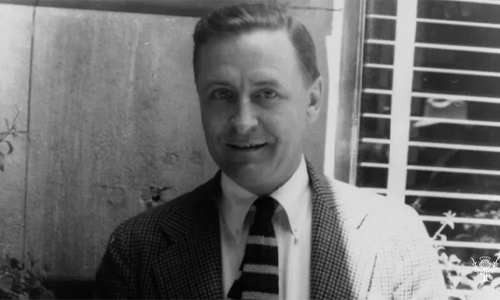
Scott Fitzgerald became one of the defining voices of the Jazz Age with The Great Gatsby, a novel that delves into the opulence, love, and tragedy of the 1920s. Through the character of Jay Gatsby, Fitzgerald reveals the corruption of the American Dream, creating a story of love, wealth, and ambition that has captivated readers for nearly a century.
| Theme | Date of Birth | Date of Death |
| The American Dream, love, and excess | September 24, 1896 | December 21, 1940 |
3. Mark Twain
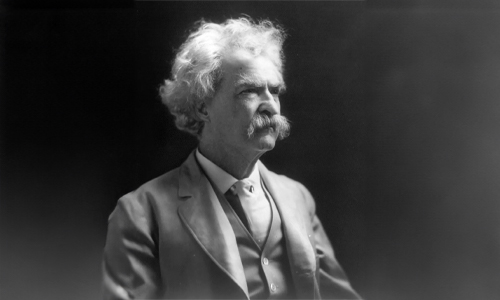
Often called the “father of American literature,” Mark Twain captured the heart of the nation with The Adventures of Huckleberry Finn. Known for his wit and keen social observations, Twain’s work highlights issues of freedom, friendship, and society’s hypocrisy, especially through the unique perspective of Huck, a young boy on the Mississippi River.
| Theme | Date of Birth | Date of Death |
| Freedom, friendship, and social criticism | November 30, 1835 | April 21, 1910 |
4. J.D. Salinger
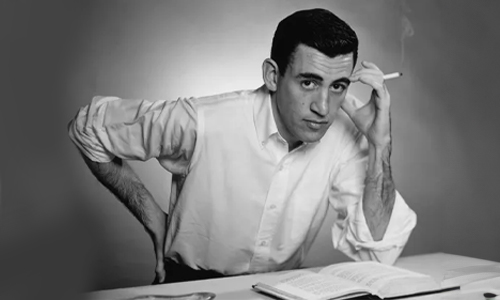
J.D. Salinger’s The Catcher in the Rye became a symbol of teenage rebellion and feeling alone. The story follows Holden Caulfield as Salinger explores the challenges of growing up, feeling isolated, and the quest for realness in “phonies.” This novel is still considered a classic for its honest portrayal of youthful struggles.
| Theme | Date of Birth | Date of Death |
| Alienation and the search for identity | January 1, 1919 | January 27, 2010 |
5. John Steinbeck
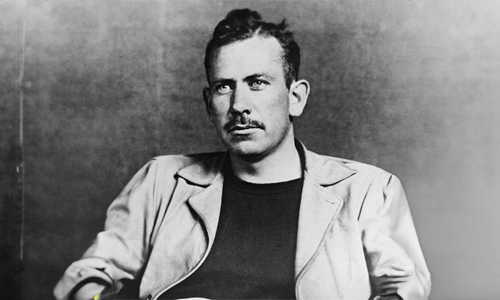
Known for his powerful stories about the American working class, John Steinbeck captured the struggles of ordinary people in works like Of Mice and Men. His stories often take place during the Great Depression and explore themes of friendship, hardship, and the pursuit of dreams, making his works deeply relatable and empathetic.
| Theme | Date of Birth | Date of Death |
| Friendship, dreams, and survival | February 27, 1902 | December 20, 1968 |
6. Ray Bradbury
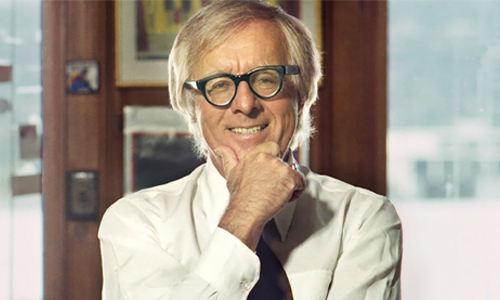
Ray Bradbury is celebrated for his futuristic and dystopian vision in Fahrenheit 451, a novel about censorship, technology, and the power of literature. Set in a world where books are banned, Bradbury’s story serves as a powerful warning about the dangers of suppressing knowledge.
| Theme | Date of Birth | Date of Death |
| Censorship and freedom of thought | August 22, 1920 | June 5, 2012 |
7. Edgar Allan Poe
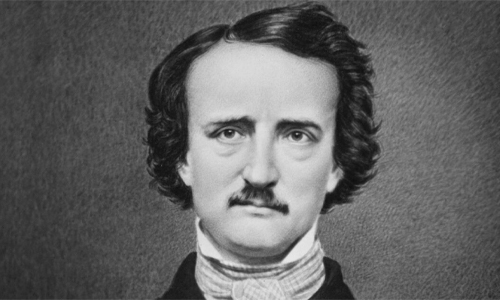
Known as the master of horror and mystery, Edgar Allan Poe is famous for his dark and suspenseful works like The Raven and The Tell-Tale Heart. Poe’s stories delve into the depths of the human mind, exploring themes of madness, love, and fear. His influence on horror and detective fiction is unmatched.
| Theme | Date of Birth | Date of Death |
| Madness, love, and horror | January 19, 1809 | October 7, 1849 |
8. Margaret Mitchell
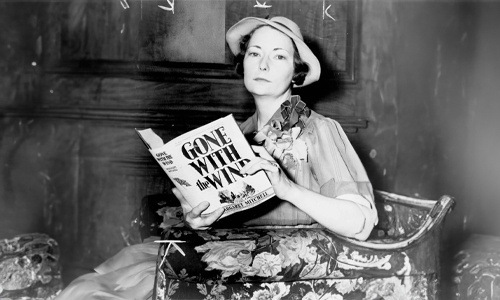
Margaret Mitchell’s Gone With the Wind is an epic Civil War novel that follows the life of Scarlett O’Hara as she navigates love, loss, and survival. This sweeping story has become a classic, depicting the American South in both its grandeur and tragedy.
| Theme | Date of Birth | Date of Death |
| Love, loss, and resilience | November 8, 1900 | August 16, 1949 |
9. Ernest Hemingway
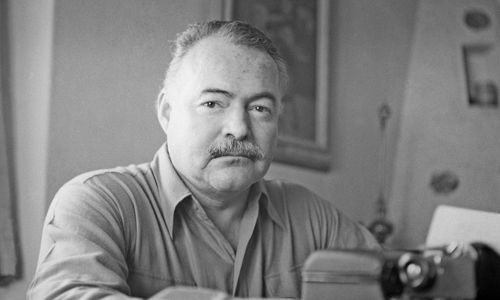
Ernest Hemingway’s The Old Man and the Sea tells the simple yet profound story of an old fisherman’s battle with a marlin. Hemingway’s concise, powerful writing style conveys themes of courage, struggle, and personal victory, making him one of the most influential writers of the 20th century.
| Theme | Date of Birth | Date of Death |
|---|---|---|
| Courage, struggle, and resilience | July 21, 1899 | July 2, 1961 |
10. Alice Walker

With The Color Purple, Alice Walker tells the transformative story of African American women finding strength and resilience in the face of adversity. Her novel, told through letters, touches on themes of abuse, redemption, and sisterhood, shedding light on the experiences of women often overlooked in literature.
| Theme | Date of Birth | Date of Death |
| Resilience, sisterhood, and identity | February 9, 1944 | – |
11. Louisa May Alcott
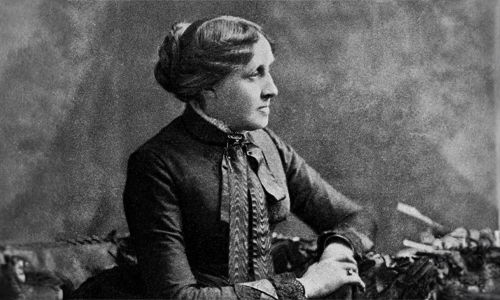
Louisa May Alcott brought us Little Women, a story about the March sisters growing up during the American Civil War. This novel captures themes of family, independence, and personal growth, making it a timeless tale of girlhood and womanhood.
| Theme | Date of Birth | Date of Death |
| Family, independence, and womanhood | November 29, 1832 | March 6, 1888 |
12. Stephen King
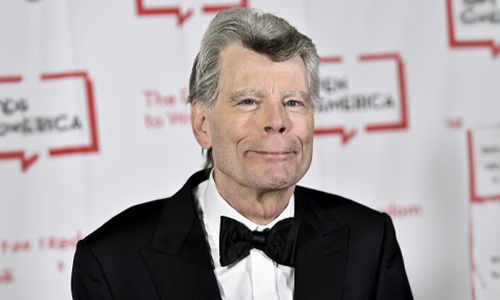
Stephen King is renowned for his contributions to horror, science fiction, and fantasy. With bestsellers like IT, The Shining, and Carrie, King has captivated readers with his ability to explore human fears and supernatural horrors. His vivid storytelling, combined with complex characters, has established him as one of the most successful and influential authors in modern literature.
| Theme | Date of Birth | Date of Death |
| Fear, evil, and resilience | September 21, 1947 | – |
13. Arthur Miller

Arthur Miller is a towering figure in American theater, best known for his plays The Crucible and Death of a Salesman. Miller’s works critique the American Dream and examine morality and societal pressures. His insightful portrayals of human struggle, particularly in the face of injustice, have made him one of America’s most respected playwrights.
| Theme | Date of Birth | Date of Death |
| Morality, societal pressure, identity | October 17, 1915 | February 10, 2005 |
14. Jack Kerouac

A leading voice of the Beat Generation, Jack Kerouac captured the restless spirit of post-war America in his novel On the Road. His journey across the United States with friends became a symbol of freedom, nonconformity, and rebellion. Kerouac’s writing style, filled with spontaneity and jazz-inspired rhythm, is as distinctive as the stories he told.
| Theme | Date of Birth | Date of Death |
| Freedom and identity | March 12, 1922 | October 21, 1969 |
15. Sylvia Plath

Sylvia Plath is best known for her novel The Bell Jar, a semi-autobiographical story about a young woman’s struggle with mental illness and societal expectations. Her candid exploration of depression, identity, and the search for self in a conformist society resonated with readers, making her an enduring voice in American literature.
| Theme | Date of Birth | Date of Death |
| Mental health and identity | October 27, 1932 | February 11, 1963 |
16. Maya Angelou
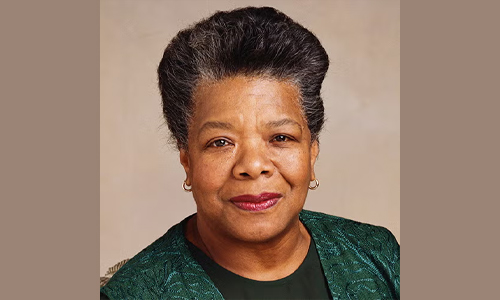
Maya Angelou’s I Know Why the Caged Bird Sings is a powerful memoir that recounts her experiences as a young African American girl facing racial discrimination and personal trauma. Angelou’s work is celebrated for its resilience and poetic language, as well as for her efforts to address issues of race, identity, and healing.
| Theme | Date of Birth | Date of Death |
| Identity, race, and resilience | April 4, 1928 | May 28, 2014 |
17. Nella Larsen
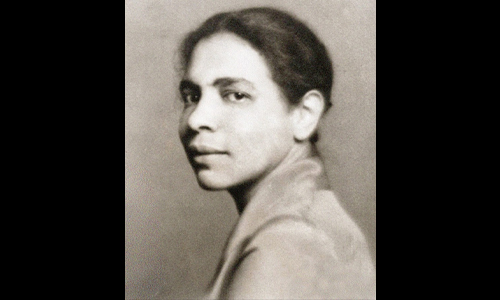
Nella Larsen was a prominent writer during the Harlem Renaissance, best known for her novels Passing and Quicksand. Her works explore complex themes of racial identity, class, and the experience of African American women navigating societal expectations in early 20th-century America.
| Theme | Date of Birth | Date of Death |
| Racial identity, class, gender roles | April 13, 1891 | March 30, 1964 |
18. Kurt Vonnegut
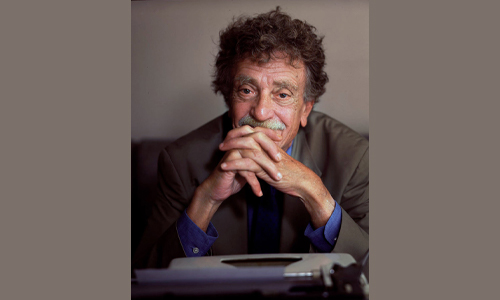
Kurt Vonnegut’s Slaughterhouse-Five is a darkly satirical novel that addresses the absurdities of war and human existence. His unique blend of science fiction, humor, and social critique has made Vonnegut an influential figure in American literature, known for challenging conventional narratives and confronting difficult truths.
| Theme | Date of Birth | Date of Death |
| War, society, and human nature | November 11, 1922 | April 11, 2007 |
19. Toni Morrison
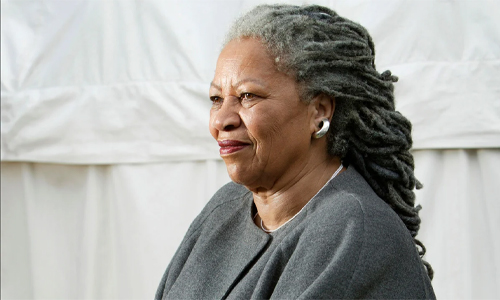
The Nobel Prize-winning Toni Morrison is celebrated for her powerful explorations of African American history and identity. Her novel Beloved delves into the traumatic legacy of slavery and the resilience of African American families. Morrison’s lyrical prose and focus on Black experiences have made her a defining voice in American literature.
| Theme | Date of Birth | Date of Death |
| Race, identity, and trauma | February 18, 1931 | August 5, 2019 |
20. Herman Melville
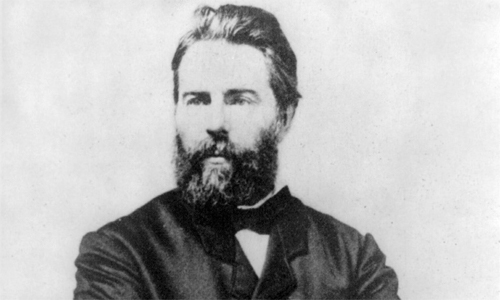
Best known for his novel Moby Dick, Herman Melville explored the darker aspects of human nature, obsession, and adventure. Although his work was not fully appreciated during his lifetime, Moby Dick is now considered a cornerstone of American literature, offering profound insights into humanity’s desire for purpose.
| Theme | Date of Birth | Date of Death |
| Obsession and purpose | August 1, 1819 | September 28, 1891 |
21. Philip K. Dick
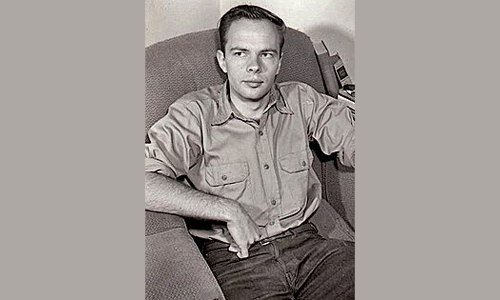
Philip K. Dick was a visionary science fiction writer who explored themes of reality, identity, and technology. His novel Do Androids Dream of Electric Sheep?, which inspired the movie Blade Runner, questioned what it means to be human. Dick’s works continue to influence modern science fiction and spark discussions on artificial intelligence and reality.
| Theme | Date of Birth | Date of Death |
| Reality, identity, and technology | December 16, 1928 | March 2, 1982 |
22. Dr. Seuss
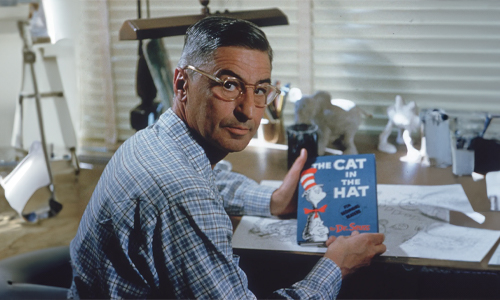
Dr. Seuss (Theodor Seuss Geisel) is a beloved children’s author known for his whimsical rhymes and imaginative illustrations. His books like The Cat in the Hat and Green Eggs and Ham not only entertain but also subtly address social and moral themes.
| Theme | Date of Birth | Date of Death |
| Imagination, morality, and fun | March 2, 1904 | September 24, 1991 |
23. Isaac Asimov
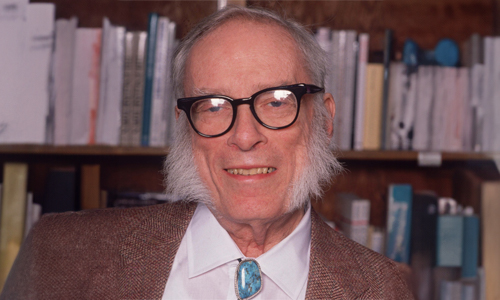
A pioneer in science fiction, Isaac Asimov created groundbreaking works like the Foundation series and I, Robot. His stories explore human interaction with technology and artificial intelligence, influencing countless sci-fi authors.
| Theme | Date of Birth | Date of Death |
| Technology, human ethics, AI | January 2, 1920 | April 6, 1992 |
24. Joseph Heller
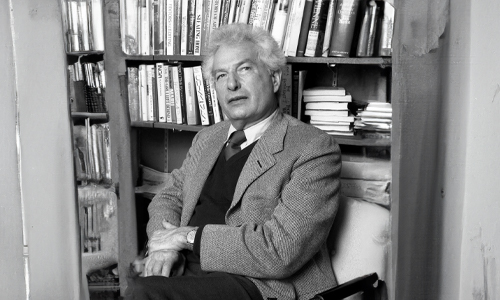
Joseph Heller is best known for his satirical novel Catch-22, which critiques the absurdity of war and bureaucracy. The term “catch-22” has since become synonymous with no-win situations, cementing Heller’s influence on literature and culture.
| Theme | Date of Birth | Date of Death |
| War, absurdity, bureaucracy | May 1, 1923 | December 12, 1999 |
25. Hunter S. Thompson
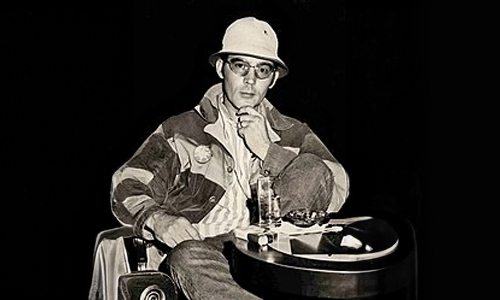
A founding figure of Gonzo journalism, Hunter S. Thompson authored Fear and Loathing in Las Vegas, blending fiction and fact in a raw, chaotic style that captured the countercultural spirit of the 1960s.
| Theme | Date of Birth | Date of Death |
| Counterculture, satire | July 18, 1937 | February 20, 2005 |
26. Harriet Beecher Stowe
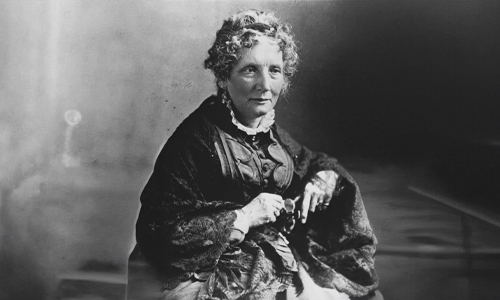
Harriet Beecher Stowe’s novel Uncle Tom’s Cabin was a powerful anti-slavery work that humanized the struggles of enslaved people and fueled the abolitionist movement, making a profound social impact in 19th-century America.
| Theme | Date of Birth | Date of Death |
| Abolition, justice | June 14, 1811 | July 1, 1896 |
27. Bill Bryson

Bill Bryson is a non-fiction author known for his humorous and insightful travel books, like A Walk in the Woods. Bryson’s works explore human nature, culture, and the wonders of the natural world, often with a touch of wit.
| Theme | Date of Birth | Date of Death |
| Humor, travel, nature | December 8, 1951 | – |
28. George R.R. Martin
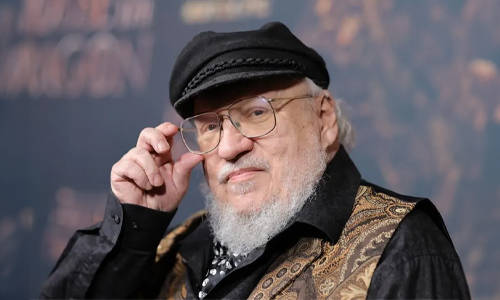
George R.R. Martin’s A Song of Ice and Fire series, which inspired the TV show Game of Thrones, explores themes of power, betrayal, and ambition, set in a detailed, morally complex fantasy world.
| Theme | Date of Birth | Date of Death |
| Power, ambition, morality | September 20, 1948 | – |
29. Maurice Sendak

Maurice Sendak is celebrated for his children’s book Where the Wild Things Are, which explores childhood emotions and imagination. His work invites young readers to embrace adventure and self-discovery.
| Theme | Date of Birth | Date of Death |
| Imagination, adventure | June 10, 1928 | May 8, 2012 |
30. Thomas Harris

Thomas Harris is best known for his psychological horror novels, particularly The Silence of the Lambs. Harris’s dark storytelling and memorable characters have left an indelible mark on the horror genre.
| Theme | Date of Birth | Date of Death |
| Horror, psychology | April 11, 1940 | – |
31. Stan Lee

Stan Lee, co-creator of Marvel Comics superheroes like Spider-Man and Iron Man, has inspired generations with his stories of heroism, resilience, and morality in the face of adversity.
| Theme | Date of Birth | Date of Death |
| Heroism, resilience | December 28, 1922 | November 12, 2018 |
32. Gillian Flynn
Gillian Flynn is known for her psychological thrillers, particularly Gone Girl, which explores themes of deception and the complexity of relationships in a dark, twisted narrative.

| Theme | Date of Birth | Date of Death |
| Deception, relationships | February 24, 1971 | – |
33. Jodi Picoult

Jodi Picoult addresses moral dilemmas in family and society in novels like My Sister’s Keeper, challenging readers with complex questions about love, ethics, and justice.
| Theme | Date of Birth | Date of Death |
| Family, ethics, justice | May 19, 1966 | – |
34. Rick Riordan

Rick Riordan has captured young readers with his Percy Jackson series, blending Greek mythology with modern adventure, emphasizing friendship, courage, and the power of imagination.
| Theme | Date of Birth | Date of Death |
| Friendship, courage, adventure | June 5, 1964 | – |
35. Louis Sachar
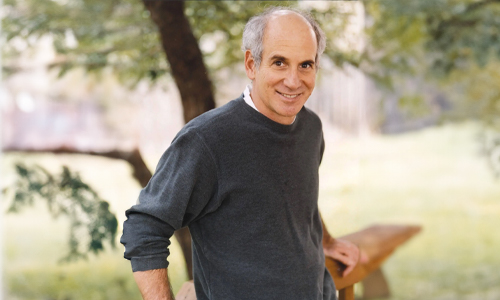
Louis Sachar’s novel Holes is a popular children’s book that combines humor, adventure, and mystery, offering young readers a story of friendship, family, and resilience.
| Theme | Date of Birth | Date of Death |
| Friendship, resilience | March 20, 1954 | – |
36. William Peter Blatty
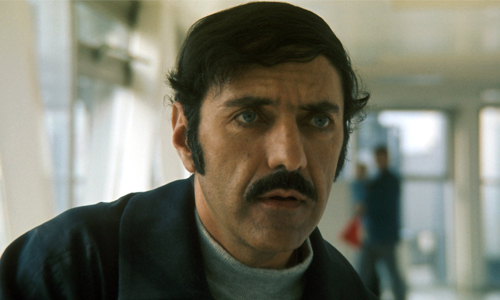
William Peter Blatty is famous for his horror novel The Exorcist, a chilling tale of possession and faith that remains a classic in horror literature and cinema.
| Theme | Date of Birth | Date of Death |
| Faith, horror | January 7, 1928 | January 12, 2017 |
37. R.L. Stine

Known as the “Stephen King of children’s literature,” R.L. Stine created the Goosebumps series, introducing young readers to horror and thrilling adventures.
| Theme | Date of Birth | Date of Death |
| Horror, adventure | October 8, 1943 | – |
38. Jeff Lindsay

Jeff Lindsay is known for his Dexter series, a unique take on crime fiction featuring a vigilante serial killer, blending dark humor and suspense.
| Theme | Date of Birth | Date of Death |
| Crime, morality | July 14, 1952 | – |
39. James Patterson

One of the best-selling authors of all time, James Patterson is known for his suspenseful crime and thriller novels, including the Alex Cross series, focusing on justice and complex human psychology.
| Theme | Date of Birth | Date of Death |
| Crime, justice, psychology | March 22, 1947 | – |
40. Herman Melville
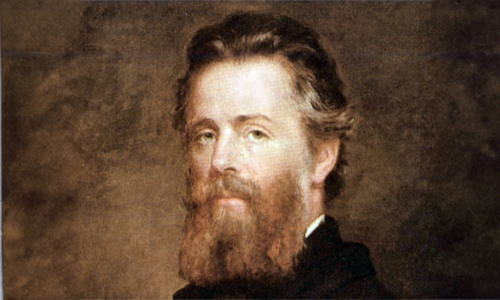
Herman Melville’s Moby Dick is a profound novel about human ambition and obsession, making it one of the most iconic American novels of all time.
| Theme | Date of Birth | Date of Death |
| Obsession, purpose | August 1, 1819 | September 28, 1891 |
41. Langston Hughes
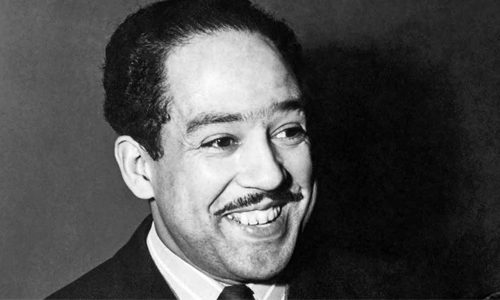
A central figure in the Harlem Renaissance, Langston Hughes was a poet, novelist, and playwright who celebrated African American culture and resilience. His works, including The Weary Blues and Not Without Laughter, reflect themes of racial pride, identity, and social justice, often using jazz-inspired rhythms and accessible language.
| Theme | Date of Birth | Date of Death |
| Racial pride, resilience, social justice | February 1, 1902 | May 22, 1967 |
42. H.P. Lovecraft
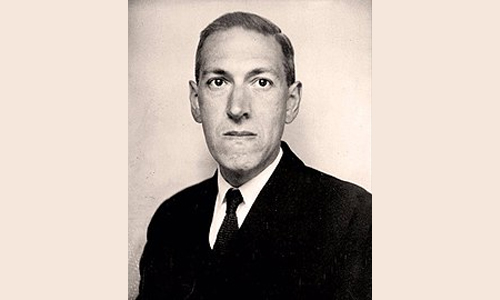
H.P. Lovecraft’s unique brand of cosmic horror, found in stories like The Dunwich Horror, explores the unknown and the terrifying limits of human understanding.
| Theme | Date of Birth | Date of Death |
| Horror, cosmic dread | August 20, 1890 | March 15, 1937 |
43. Tennessee Williams
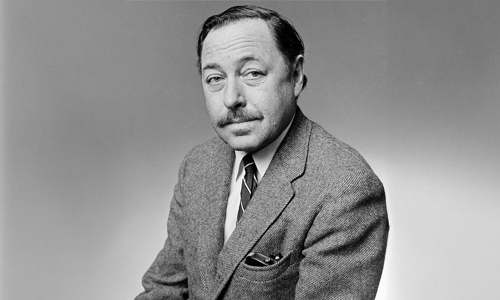
A significant figure in American theater, Tennessee Williams wrote plays like A Streetcar Named Desire, exploring human emotion, fragility, and societal roles.
| Theme | Date of Birth | Date of Death |
| Emotion, societal roles | March 26, 1911 | February 25, 1983 |
44. Truman Capote
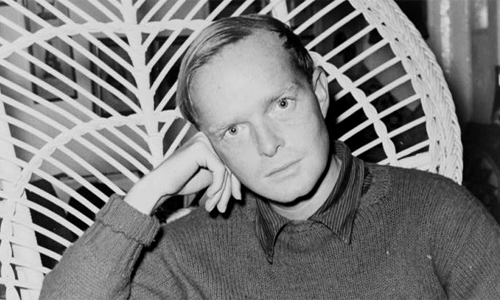
Truman Capote authored Breakfast at Tiffany’s and In Cold Blood, blending fiction and journalism in a compelling narrative style.
| Theme | Date of Birth | Date of Death |
| Society, crime, relationships | September 30, 1924 | August 25, 1984 |
45. Philip K. Dick

Philip K. Dick questioned reality and identity in works like Do Androids Dream of Electric Sheep? exploring the impact of technology on society.
| Theme | Date of Birth | Date of Death |
| Reality, technology | December 16, 1928 | March 2, 1982 |
46. E.B. White
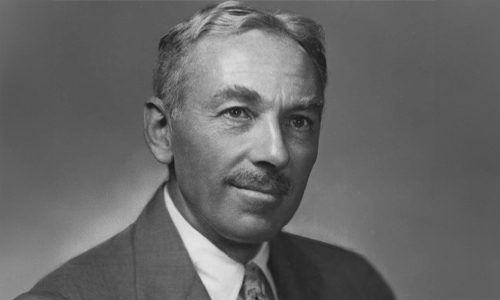
E.B. White’s children’s classic Charlotte’s Web is a tale of friendship, kindness, and resilience, leaving a lasting legacy in children’s literature.
| Theme | Date of Birth | Date of Death |
| Friendship, resilience | July 11, 1899 | October 1, 1985 |
47. Ken Kesey
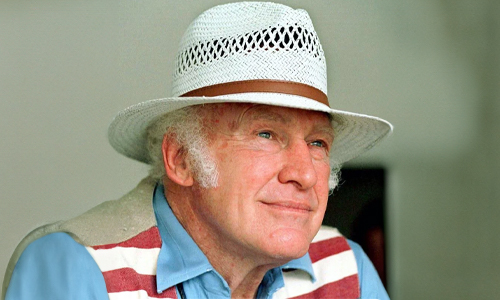
Ken Kesey’s One Flew Over the Cuckoo’s Nest explores freedom and individualism within oppressive systems, challenging societal norms.
| Theme | Date of Birth | Date of Death |
| Freedom, individuality | September 17, 1935 | November 10, 2001 |
48. L. Frank Baum
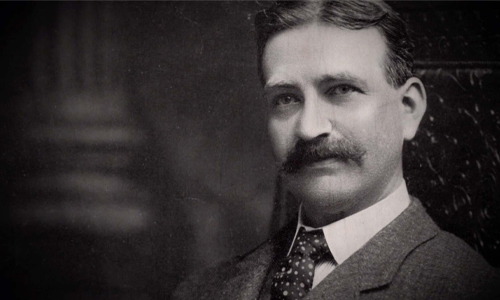
Frank Baum enchanted readers with The Wonderful Wizard of Oz, a tale of courage, friendship, and adventure in a magical land.
| Theme | Date of Birth | Date of Death |
| Adventure, courage, friendship | May 15, 1856 | May 6, 1919 |
49. Chuck Palahniuk
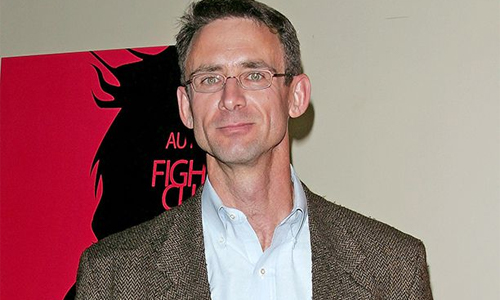
Known for his novel Fight Club, Chuck Palahniuk explores masculinity, identity, and rebellion against societal norms.
| Theme | Date of Birth | Date of Death |
| Identity, rebellion | February 21, 1962 | – |
50. Cormac McCarthy
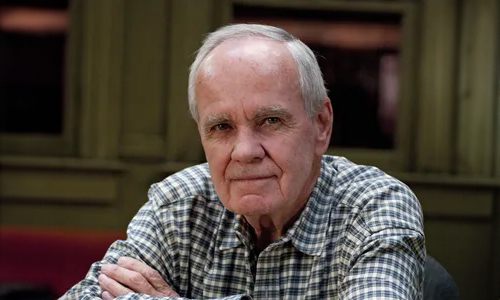
Cormac McCarthy’s The Road examines survival, despair, and the strength of human connection in a post-apocalyptic world.
| Theme | Date of Birth | Date of Death |
| Survival, connection | July 20, 1933 | June 13, 2023 |
51. Washington Irving
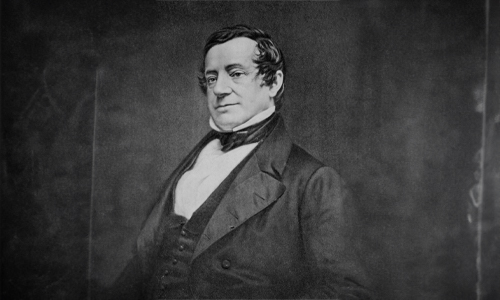
Often considered the “father of American literature,” Washington Irving is best known for his short stories The Legend of Sleepy Hollow and Rip Van Winkle. His works capture early American folklore, blending humor and a touch of the supernatural.
| Theme | Date of Birth | Date of Death |
| Folklore, humor | April 3, 1783 | November 28, 1859 |
52. Zora Neale Hurston
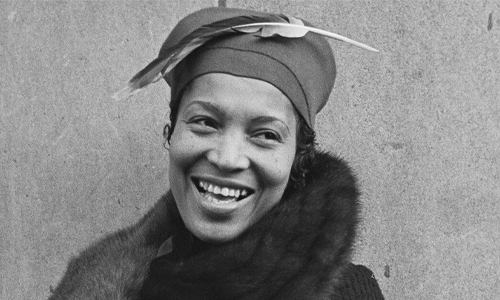
A prominent figure of the Harlem Renaissance, Zora Neale Hurston is celebrated for her novel Their Eyes Were Watching God, which explores the life and identity of an African American woman in the early 20th century American South.
| Theme | Date of Birth | Date of Death |
| Identity, African American experience | January 7, 1891 | January 28, 1960 |
53. Ralph Ellison
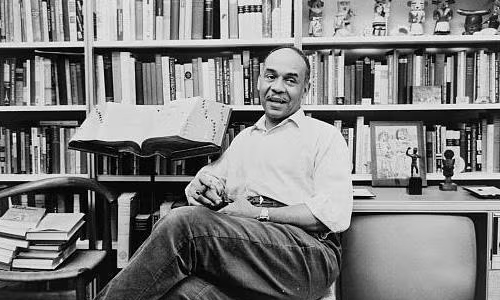
Ralph Ellison’s novel Invisible Man is a powerful exploration of race, identity, and individuality in American society. Through the journey of its unnamed protagonist, the novel delves into themes of invisibility and social isolation.
| Theme | Date of Birth | Date of Death |
| Race, identity, invisibility | March 1, 1914 | April 16, 1994 |
54. Edith Wharton
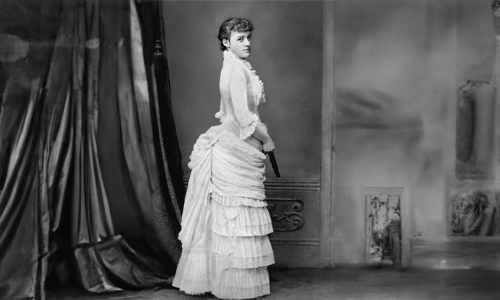
Edith Wharton was the first woman to win the Pulitzer Prize for her novel The Age of Innocence. Her works often explore the conflict between individual desires and social expectations in New York’s upper class during the late 19th century.
| Theme | Date of Birth | Date of Death |
| Social class, individual desires | January 24, 1862 | August 11, 1937 |
55. James Baldwin
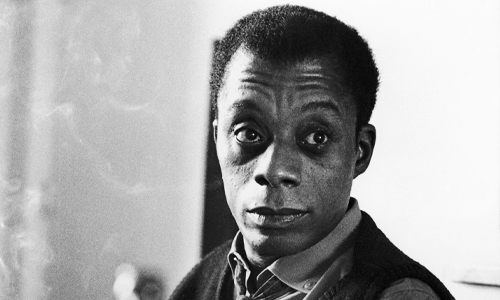
An essential voice in American literature, James Baldwin’s works like Go Tell It on the Mountain and Giovanni’s Room address race, sexuality, and identity. Baldwin’s writing sheds light on the complexities of the Black and LGBTQ+ experiences in mid-20th-century America.
| Theme | Date of Birth | Date of Death |
| Race, sexuality, identity | August 2, 1924 | December 1, 1987 |
Frequently Asked Questions on Famous American Authors
What inspired Harper Lee to write “To Kill a Mockingbird”?
Her childhood in Monroeville, Alabama, and her interest in social justice and moral integrity.
What themes define The Great Gatsby by Fitzgerald?
The American Dream, love, wealth, and moral decay of the Roaring ’20s.
Why is The Adventures of Huckleberry Finn considered a classic of American literature?
For its social realism, witty satire, and candid examination of race and freedom.
What makes Holden Caulfield a memorable literary character?
His raw, rebellious voice and sense of alienation in The Catcher in the Rye.
What was Steinbeck’s main focus in Of Mice and Men?
The struggles of itinerant workers during the Great Depression and the value of human dignity.
What warning does Fahrenheit 451 offer society?
A cautionary tale about censorship and the suppression of critical thinking.
Which Poe work popularized the detective fiction genre?
“The Murders in the Rue Morgue,” often considered the first detective story.
How does Gone With the Wind portray the Civil War South?
Through the lens of Scarlett O’Hara’s resilience, love, and transformation.
What literary style is Hemingway known for?
His minimalist prose and focus on themes like courage and personal struggle.
What is the central theme of The Color Purple?
Sisterhood, resilience, and spiritual growth in the face of abuse.
Why has Little Women remained a beloved classic?
It highlights family bonds, individual growth, and moral strength across generations.
What makes Stephen King a master of horror?
His vivid character development and exploration of everyday fears turned supernatural.
What does Death of a Salesman critique?
The pitfalls of chasing the American Dream and societal pressures on individuals.
What significance does On the Road have in American literature?
It captures the spontaneity and defiant spirit of the Beat Generation.
How does The Bell Jar reflect Sylvia Plath’s personal experiences?
It addresses mental illness, societal pressure, and a young woman’s identity crisis.
What issues does I Know Why the Caged Bird Sings confront?
Racial discrimination, trauma, and personal transformation through resilience.
What does Passing by Nella Larsen explore?
The complexities of racial identity and social class among African Americans.
What genre blend is Slaughterhouse‑Five known for?
A mix of science fiction, satire, and anti-war commentary.
Why is Beloved a powerful novel?
It addresses the haunting legacy of slavery through lyrical prose and deep empathy.
What does Moby-Dick symbolize in American literature?
Obsession, the human condition, and the struggle against nature.
Which Philip K. Dick novel inspired Blade Runner?
Do Androids Dream of Electric Sheep?, exploring reality and artificial life.
What lesson does Green Eggs and Ham teach?
The value of keeping an open mind and trying new things.
What is the central theme of Asimov’s Foundation series?
The interplay between science, psychology, and societal evolution.
What does Catch‑22 satirize?
The absurdity and bureaucracy of war and military life.
What style of journalism did Hunter S. Thompson pioneer?
Gonzo journalism—immersive, first-person, and opinion-driven.
Why was Uncle Tom’s Cabin influential?
It stirred anti-slavery sentiment and helped shape public opinion pre‑Civil War.
What tone does Bryson use in A Walk in the Woods?
Humorous and engaging, making nature accessible to all.
What makes A Song of Ice and Fire notable?
Its moral complexity, political intrigue, and multi-layered characters.
What central theme is in Where the Wild Things Are?
Imagination, emotional growth, and childhood freedom.
Which novel introduced Hannibal Lecter?
The Silence of the Lambs—innovative psychological horror.
What legacy did Stan Lee leave with Marvel Comics?
Iconic heroes defined by humanity, moral dilemmas, and resilience.
What twisty narrative did Flynn popularize in Gone Girl?
The unreliable narrator and exploration of toxic relationships.
What themes does My Sister’s Keeper address?
Family ethics, medical dilemmas, and moral complexity.
What mythological world does Percy Jackson explore?
Greek mythology in a modern setting, highlighting courage and friendship.
What central mystery is in Holes?
A layered puzzle about fate, family curses, and redemption.
What supernatural horror did The Exorcist spark?
A chilling tale of demonic possession and faith-tested.
Why is Goosebumps a standout series?
Accessible, spooky stories aimed at middle-school readers.
What unique character defines the Dexter series?
A forensic specialist who is also a vigilante serial killer.
What makes Alex Cross novels compelling?
Fast-paced crime, moral dilemmas, and strong psychological insight.
What earlier work by Melville preceded Moby Dick?
Typee—a semi-autobiographical adventure in Polynesia.
What artistic movement did Hughes help lead?
The Harlem Renaissance, celebrating Black pride and culture.
What defines Lovecraftian horror?
Cosmic dread, unknowable powers, and human insignificance.
Which play by Williams features Blanche DuBois?
A Streetcar Named Desire—exploring fragility and illusion.
What genre did In Cold Blood help create?
True crime nonfiction with literary flair.
What recurring theme appears across Dick’s works?
The instability of reality and personal identity.
What lessons does Charlotte’s Web teach?
Friendship, loyalty, life cycles, and loss.
What institution is central in One Flew Over the Cuckoo’s Nest?
A psychiatric hospital—symbolic of societal control vs. freedom.
What is Dorothy’s famous destination?
The Emerald City in The Wonderful Wizard of Oz.
What social theme does Fight Club confront?
Toxic masculinity and identity crises in modern society.
What is the primary setting of The Road?
A bleak, post‑apocalyptic landscape emphasizing survival and paternal love.
What spooky legend did Irving write?
The Legend of Sleepy Hollow featuring the Headless Horseman.
What voice does Their Eyes Were Watching God feature?
A strong Black woman’s perspective in early 20th century South.
What metaphor is central in Invisible Man?
The protagonist’s invisibility reflects racial and social exclusion.
Which novel earned Edith Wharton a Pulitzer Prize?
The Age of Innocence, for its portrayal of New York’s elite society.
What themes define Baldwin’s Giovanni’s Room?
Race, sexuality, identity, and inner conflict in mid‑20th-century America.