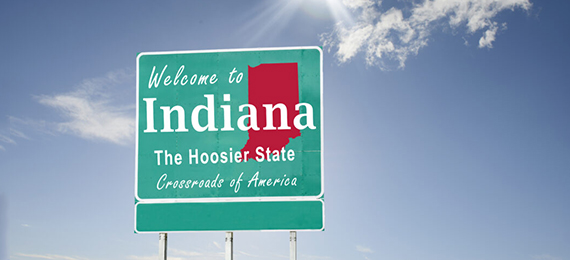
When it comes to the state of Indiana, one term that usually comes to our mind is “Hoosier.” But what exactly does Hoosier mean?
Let’s dive into the blog to learn more about the Hoosier definition, the origin of Hoosier, and the reason behind the name.
What is a Hoosier?
A Hoosier is a term used to represent a resident of the U.S. state of Indiana and was officially used in the year 1840s. Indiana is considered one of the oldest in the state and has gained massive acceptance in a short period than others. Its origin is often associated with pride, hospitality, resilience, and a strong sense of community. Some theories suggest that the word “Hoosier” may be derived from the word “husher”. Some others believe that it could be the variation of the word “hoozer”. Hoozer is the term used to describe a hillbilly or backwoodsman.
The name represents a resident of Indiana called a
- A. Hooshier
- B. Hoosier
- C. Husher
- D. Hoozer
Hoosier are also used in the names of many Indiana organizations and businesses. Indiana University athletic teams have also been named. Also, being an Indiana resident means embracing the state’s rich history and traditions. Hoosiers love their heritage and strive to preserve it for future generations.
Where did the Name Hoosier Come From?

The term “Hoosier” is a mystery kind of regarding the exact origin referring to the state of Indiana and its residents with numerous theories vying to explain it. For you, presented below are the top contenders.
- Southern Roots: According to a good number of historians, “Hoosier” originally began as a pejorative term used by the people of the Southern United States to refer to uneducated country folk or backwoodsmen, and was later brought to Indiana by settlers moving there.
- English Dialect: The word has its origins in the English dialect expression “hoozer” denoting a hill dweller, which is a perfect match for Indiana’s hilly terrain in various parts.
- French Connection: There is another less common theory that holds that the term “Hoosier” is of French origin, specifically from “osier” meaning “someone from the countryside.”
- Folklore Options: There are plenty of fun but rather improbable stories that try to explain the origin of the greeting “Who is there?” as used by Indiana pioneers or a boss known as a Hoosier who allegedly supervised a group of workmen.During the 1830s, there was much debate about where the word “Hoosier” originated from, yet it came to be known by many as a term used to describe Indiana and its inhabitants. In later years, it changed its meaning completely and lost its pejorative sense to become an emblem for Hoosiers, signifying their hospitality and hallowed respect for freedom.
Famous Hoosiers With Indianapolis Connections
Here are some famous Hoosiers with strong connections to Indianapolis:
- David Letterman – The renowned late-night talk show host was born and raised in Indianapolis.
- Kurt Vonnegut – Vonnegut, the renowned author of Slaughterhouse-Five, was born and spent a significant portion of his early life in Indianapolis.
- Peyton Manning – Despite not being originally from Indiana, the NFL legend gained local fame during his tenure with the Indianapolis Colts.
- T.C. Steele – Steele, a renowned American Impressionist painter, spent a significant portion of his life in Indianapolis.
- Mike Epps – Actor and comedian Mike Epps was born in Indianapolis, gaining fame for his roles in movies and stand-up comedy.
- Vivica A. Fox – The actress and producer was born in South Bend, Indiana, but has connections to Indianapolis through her career and public appearances.
- Reggie Miller – A basketball icon, Miller spent his entire NBA career with the Indiana Pacers, making Indianapolis his second home.
Conclusion
I hope you now have a clear understanding of the term Hoosier. It is more than just a geographical identifier; they are known for their hard work, and strong Midwestern values, especially for Indiana Hoosiers Men’s Basketball, and mainly unites people from all walks of life. So, just embrace the spirit of Hoosier and become a part of this dynamic community.