Ever stood in the pasta aisle and felt utterly overwhelmed by the sheer variety? You’re not alone. Pasta isn’t just spaghetti and macaroni—it’s an entire range of shapes, textures, and traditions rooted in centuries of culture. From Italy’s delicate capellini to China’s wide biang biang noodles, pasta comes in more forms than most of us can name. In this guide, we’ve grouped over 40 types of pasta by their origin, making it easier for you to learn where each noodle comes from and how it’s traditionally used. Whether you’re preparing an authentic Italian feast or simply trying to identify a pasta shape you’ve spotted in a dish, this list is your go-to resource. Bookmark it, quiz yourself, and impress your dinner guests the next time you cook!
Types of Pasta by Origin
Italy (The Birthplace of Pasta)
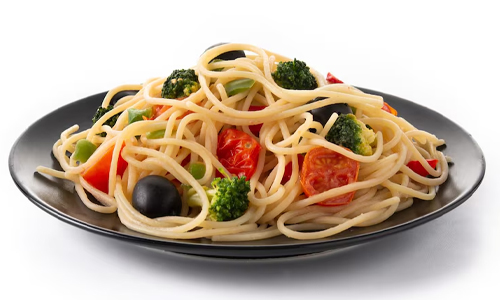
- Spaghetti – Long, thin strands loved globally.
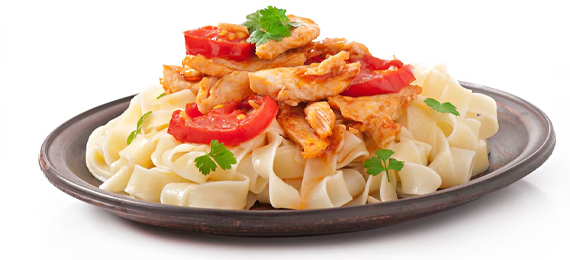
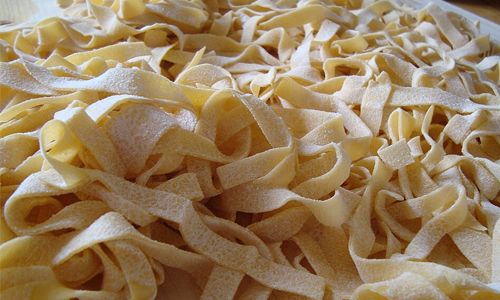
- Fettuccine – Flat ribbons, perfect with Alfredo sauce.
- Tagliatelle – Similar to fettuccine, but a touch narrower.
- Linguine – Slightly flattened spaghetti from Liguria.
- Pappardelle – Wide noodles best with hearty ragùs.
- Bucatini – Like spaghetti but with a hole down the center.
- Tonnarelli – Square-cut pasta, popular in Rome.
- Capellini – Also known as angel hair; ultra-thin strands.
- Maccheroni – Short tubes that inspired the name “macaroni.”
- Rigatoni – Ridged, tube-shaped pasta ideal for baked dishes.
- Penne – Diagonally cut tubes with ridges.
- Ziti – Smooth tubes, often baked with sauce and cheese.
- Tortiglioni – Deeper ridges than rigatoni; holds sauce well.
- Fusilli – Spirals that catch every bit of sauce.
- Rotini – Similar to fusilli, with a tighter corkscrew shape.
- Orecchiette – “Little ears” from Puglia.
- Cavatappi – Corkscrew tubes, a favorite in baked pasta.
- Conchiglie – Shell-shaped pasta that traps thick sauces.
- Gnocchetti Sardi – Small ridged dumplings from Sardinia.
- Strozzapreti – Twisted pasta name means “priest strangler.”
- Farfalle – Bow-tie pasta, popular in salads and light sauces.
- Trofie – Twisted Ligurian pasta great with pesto.
- Cavatelli – Small, rolled pasta with a hollow center.
- Malloreddus – Sardinian semolina pasta with a groove.
- Paccheri – Large tubes from Campania, often stuffed.
- Bigoli – Thick whole-wheat noodles from Veneto.
- Lasagna – Broad sheets, baked in layers.
- Cannelloni – Large tubes meant for stuffing and baking.
- Agnolotti – Stuffed pasta pockets from Piedmont.
- Ravioli – Stuffed square pillows filled with cheese or meat.
- Tortellini – Ring-shaped filled pasta from Emilia-Romagna.
- Mezzelune – “Half moons” filled and folded pasta.
Types of Pastas Famous in China
Which Italian pasta is shaped like small rice grains and often used in soups?
- A. Penne
- B. Gnocchi
- C. Orzo
- D. Bucatini
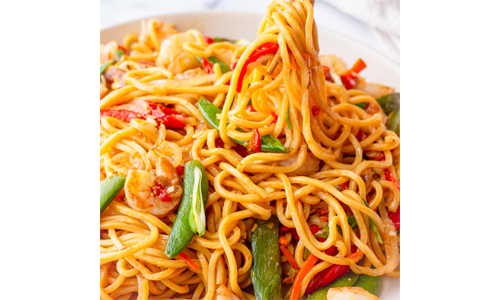
- Lo Mein – Soft wheat noodles, tossed or stir-fried.
- Chow Mein – Stir-fried noodles, often crispy.
- Biang Biang Noodles – Wide, hand-pulled noodles from Shaanxi.
Japan
- Udon – Thick, chewy noodles served hot or cold.
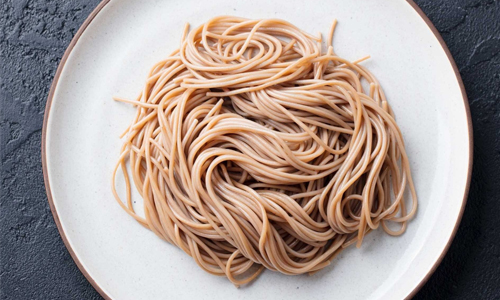
- Soba – Buckwheat noodles with a nutty flavor.
Korea
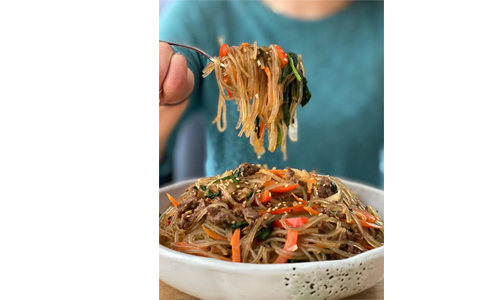
- Japchae – Sweet potato starch noodles, often stir-fried.
Vietnam
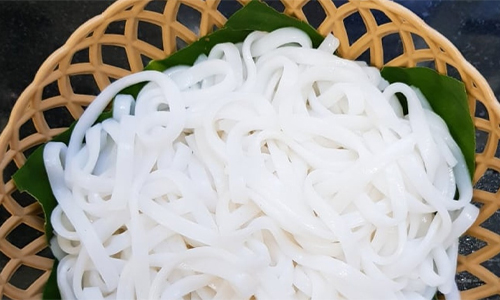
- Bánh Phở – Flat rice noodles used in phở soup.
Thailand
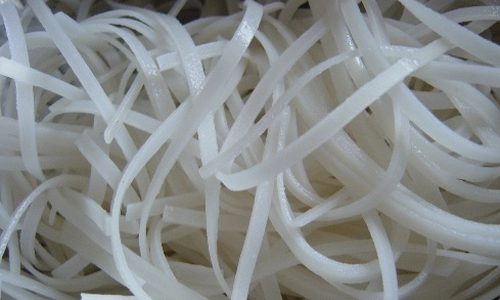
- Sen Lek – Medium-width rice noodles, used in pad Thai.
FAQs on Unique Types of Pasta
- How many types of pasta exist worldwide?
There are over 600 pasta shapes globally, with new variations being introduced regularly. Italy alone contributes hundreds of traditional varieties.
- What’s the difference between spaghetti, linguine, and fettuccine?
Spaghetti is round and thin, linguine is slightly flattened, and fettuccine is flat and wider, usually paired with cream-based sauces. - Are all pasta types originally from Italy?
No. While Italy is considered the birthplace of pasta as we know it, other cultures like China, Japan, Korea, and Vietnam have their own distinct noodles and pasta-like dishes. - Which pasta shapes hold sauces best?
Ridged or hollow shapes like rigatoni, fusilli, and orecchiette are great for clinging to sauces, especially chunky or creamy ones.
- What’s the rarest pasta type?
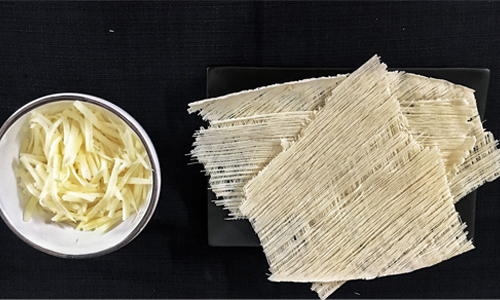
Some regional Italian pastas like su filindeu (meaning “threads of God”) are considered rare due to how difficult they are to make—only a few families still preserve the tradition.
6. Is there a correct pasta to sauce pairing?
Yes! Italians traditionally pair certain shapes with specific sauces. For example, thinner sauces go well with long, thin pasta, while hearty, chunky sauces pair better with tubes or ridged pasta.