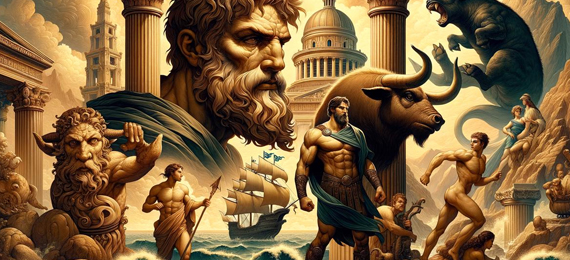
Hey there, myth-lovers! Are you curious about the gods and heroes of ancient Greece and the amazing stories they told? You’re in the right place. Buckle up because we’re about to take a thrilling ride to ancient Greece! Let’s explore the Greek mythology facts.
The Origins of Greek Mythology
A long, long time ago, before there were books or movies, stories were told by word of mouth. These stories were passed down from generation to generation and became what we now know as Greek mythology. The ancient Greeks used these tales to explain the world around them—why the sun rises, why seasons change, and even why we have good or bad luck! Their myths are like action-packed adventure stories filled with powerful gods, brave heroes, terrifying monsters, and magical creatures. These stories have been around for thousands of years, but they’re still super popular today. Why? Because they’re full of amazing stuff that sparks our imaginations and teaches us about important things like good vs. evil, friendship, and courage.
Who is the king of the gods in Greek mythology?
- A. Zeus
- B. Poseidon
- C. Hades
- D. Apollo
The Pantheon: Gods and Goddesses
The ancient Greeks believed in a pantheon of gods and goddesses who lived atop Mount Olympus, each with their unique traits and stories. Find their interesting stories below.
1. Zeus – The King of the Gods
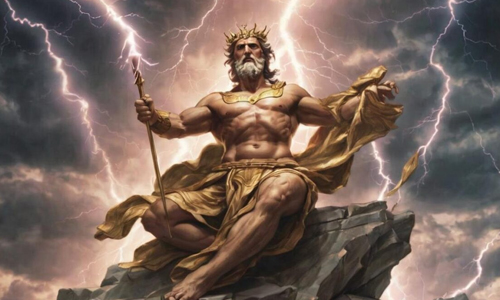
He was not only the protector of justice but also infamous for his numerous affairs, which often resulted in the birth of other gods and heroes.
2. Athena’s Unusual Birth
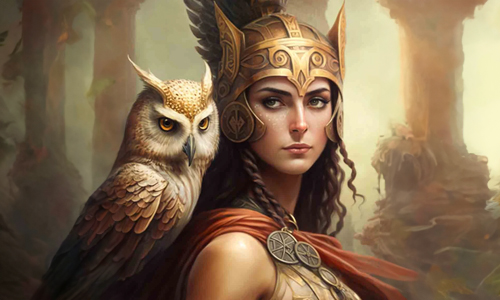
Zeus’s daughter, Athena, had an extraordinary birth—she emerged fully grown and armored from Zeus’s forehead after he swallowed her mother, Metis, to avoid a prophecy that their child would be more powerful than him. Athena, the goddess of wisdom and war, was known for her intelligence and remained a virgin goddess.
3. Poseidon’s Moody Nature
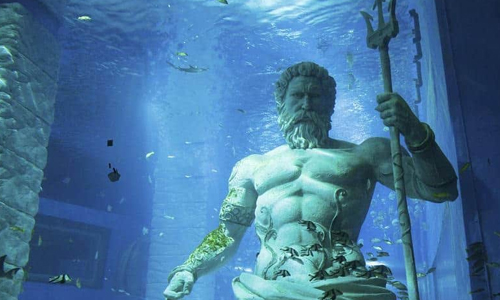
Poseidon, the god of the sea, was notorious for his unpredictable temper. His moods could cause calm seas or massive storms, and sailors would offer sacrifices to appease him.
4. Hera’s Jealousy
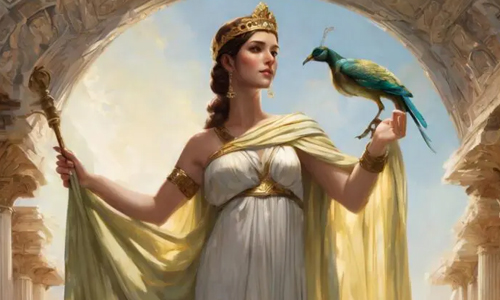
Hera, Zeus’s wife and the goddess of marriage was renowned for her jealousy, often punishing Zeus’s lovers and their children rather than confronting Zeus himself.
5. Apollo’s Twin Sister
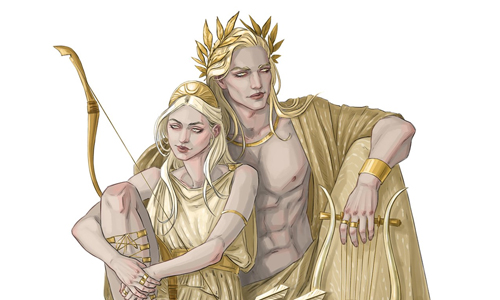
Apollo, the god of the sun and music, was closely linked to healing, while Artemis, the goddess of the hunt and wilderness, was associated with the moon. Their contrasting yet complementary roles showcased the diverse nature of the Greek gods.
Heroes and Mortals: The Legendary Figures
Greek mythology is packed with stories of incredible heroes and daring mortals who took on challenges that seemed impossible. These figures were known for their bravery, strength, and cleverness, and their tales have been passed down through generations. Let’s take a closer look at some of the most famous heroes in Greek mythology.
6. Hercules: The Strongest Hero
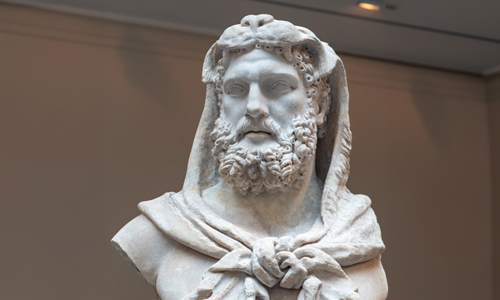
He is the most famous hero in Greek mythology, known for his extraordinary strength and courage. He was the son of Zeus, the king of the gods, which gave him immense power. But his life was far from easy. Driven mad by Hera, who despised him, Hercules tragically killed his wife and children. To atone for this terrible deed, he was given the Twelve Labors—an almost impossible series of tasks. These included slaying the Nemean Lion, whose hide was impervious to weapons, capturing the Golden Hind, a deer so fast it could outrun an arrow, and bringing back Cerberus, the three-headed dog guarding the Underworld. Despite the challenges, Hercules completed all of his tasks, proving his strength and earning his place as a legendary hero.
7. Perseus: The Slayer of Monsters
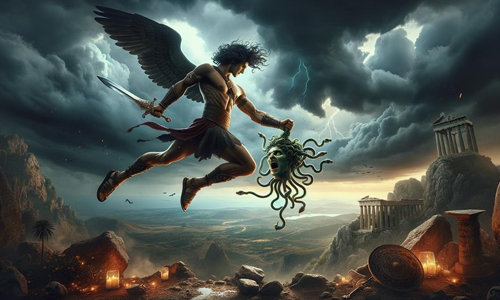
Perseus is best known for his daring adventure to slay Medusa, a terrifying creature with snakes for hair. Anyone who looked directly at Medusa would turn to stone. Perseus, however, was clever—he used a reflective shield given to him by Athena to view Medusa’s reflection, avoiding her deadly gaze. With one swift motion, he cut off her head. After this feat, Perseus continued his heroics by rescuing the princess Andromeda from a fearsome sea monster. Using Medusa’s head, he turns the monster to stone, saving Andromeda and later marrying her. Perseus’s success was due to the help of the gods, who provided him with tools like Hermes’ winged sandals, Athena’s shield, and Hades’ helmet of invisibility.
8. Achilles: The Invincible Warrior
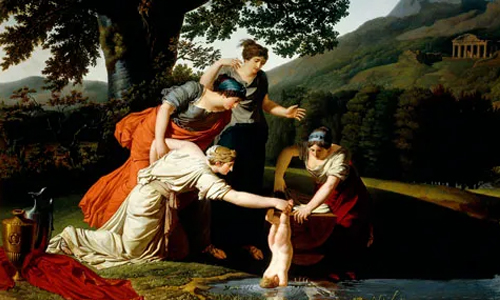
Achilles was a nearly invincible warrior, due to his mother, who dipped him in the magical River Styx as a baby. As she held him by his heel, that spot remained vulnerable and was called by the term “Achilles’ heel.” He fought bravely for the Greeks and became their greatest warrior. Despite his near invincibility, a prophecy foretold that Achilles would die young. His fate was sealed when the prince of Troy shot an arrow into his heel, killing him.
9. Theseus: The King of Athens
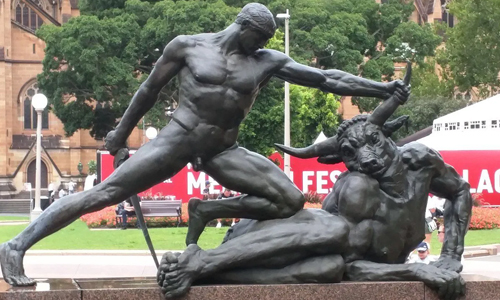
Theseus is celebrated for his intelligence and leadership as well as his heroic deeds. His most famous feat was defeating the Minotaur using a ball of thread given to him by Ariadne. He united the different regions of Attica and laid the foundation for the city’s democratic principles. His story proves his worth by lifting a massive stone to retrieve a sword and sandals, which is similar to the legend of King Arthur in British mythology.
10. Odysseus: The Cunning Voyager
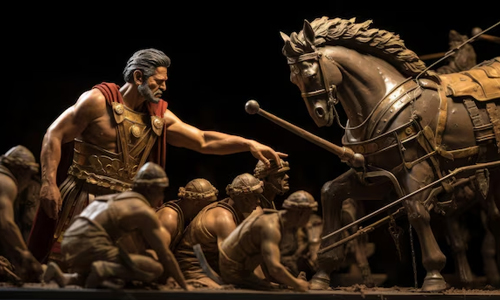
Odysseus is the hero of Homer’s epic poem “The Odyssey,” which tells the story of his long and adventurous journey home after the Trojan War. He is known for his intelligence and cunning and faces many challenges, including outwitting the Cyclops, resisting the Sirens’ song, and navigating past the deadly whirlpool Charybdis. His most famous trick was devising the Trojan Horse, which allowed the Greeks to sneak into the city of Troy and win the war.
11. Jason: The Seeker of the Golden Fleece
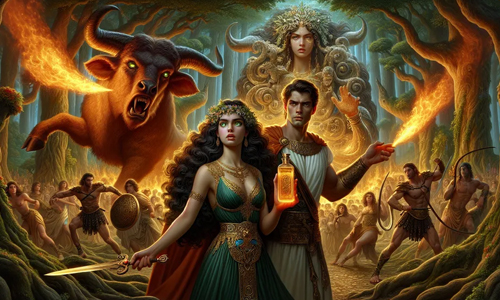
Jason was the leader of the Argonauts, a group of heroes who embarked on a dangerous quest to find the Golden Fleece. Jason’s success was largely due to the help of Medea, who used her magic to assist Jason in overcoming numerous challenges, such as taming fire-breathing bulls and defeating an army of warriors. However, their story ended in tragedy—after Jason abandoned Medea for another woman, she took revenge by killing their children and his new bride, leaving Jason devastated and alone.
Greek Mythology Monsters
The Greeks loved to tell stories about strange and scary creatures. Let’s check out some of these famous mythical creatures and their unique stories.
12. The Minotaur – The Fearsome Creature
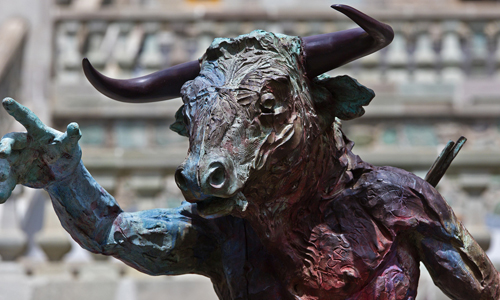
It had the body of a man and the head of a bull. It lived in an elaborate maze called the Labyrinth, designed by the genius Daedalus. The Minotaur was eventually defeated by the hero Theseus.
13. Medusa – One of the Three Gorgon Sisters
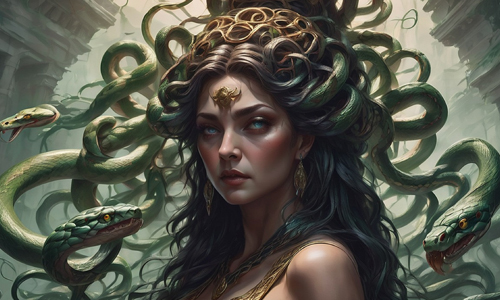
Unlike her sisters, she was mortal. With snakes for hair and a gaze that could turn anyone to stone, Medusa was one of the most feared creatures in Greek mythology. She wasn’t always a monster—Medusa was once a beautiful maiden, but she was cursed by Athena after being wronged by Poseidon in her temple.
14. The Hydra – A Gigantic Serpent
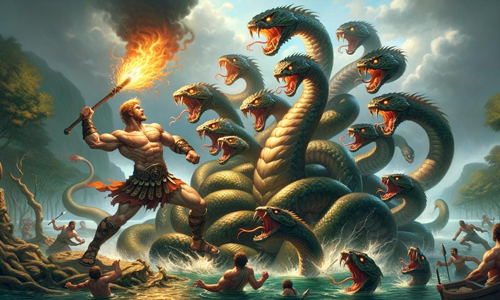
It is with many heads, and for every head that was cut off, two more would grow in its place. The hero Hercules took on the impossible task of defeating the Hydra as one of his Twelve Labors.
15. The Chimera – A Fire-Breathing Creature
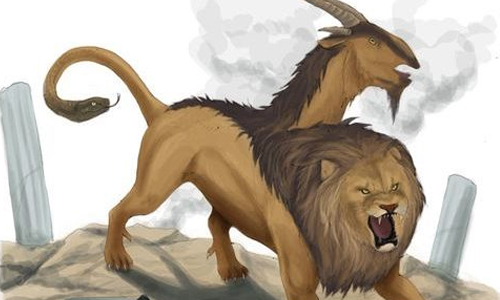
With the head of a lion, the body of a goat, and the tail of a serpent it was a fearsome and deadly beast that terrorized the lands until it was slain by the hero Bellerophon, who was aided by the winged horse Pegasus.
16. Cerberus – The Three-Headed Dog
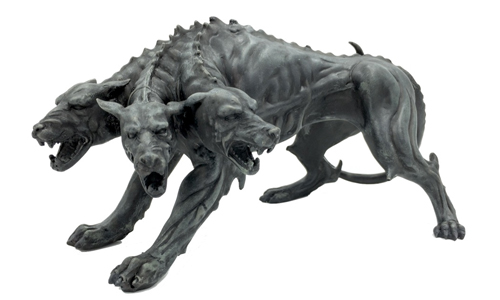
It guarded the entrance to the Underworld, ensuring that no one escaped. Each of its three heads could see in different directions, making it nearly impossible to sneak past. Despite its fearsome appearance, Cerberus was once charmed by the music of Orpheus, allowing him to enter the Underworld and attempt to rescue his beloved Eurydice.
17. The Sirens – The Enchanting Creatures
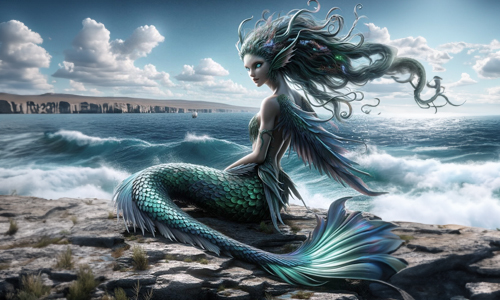
With the bodies of birds and the heads of women, they lived on rocky islands and sang beautiful, hypnotic songs that lured sailors to their doom. Odysseus, the hero of Homer’s Odyssey, famously had his crew plug their ears with beeswax while he was tied to the mast of his ship so he could safely hear their song without being drawn in.
18. The Sphinx
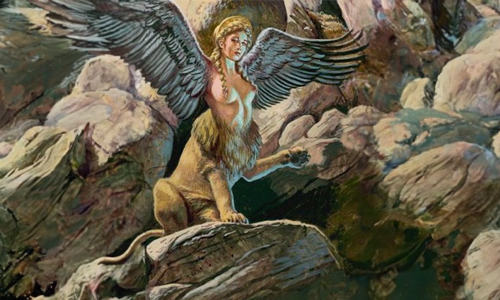
It was a creature with the body of a lion, the wings of an eagle, and the head of a woman. It was known for asking riddles and devouring anyone who couldn’t answer correctly. The most famous riddle of the Sphinx was solved by Oedipus, who answered correctly and saved his city from its wrath.
19. The Cyclops – One-Eyed Giants
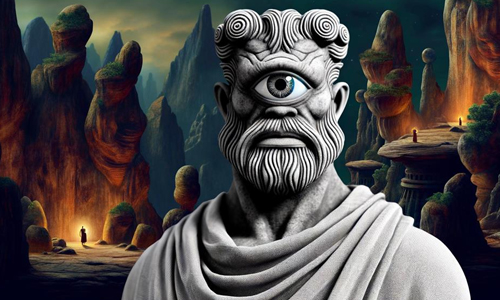
These are known for their incredible strength and craftsmanship. The most famous Cyclops was Polyphemus, who was tricked and blinded by Odysseus during his journey home from the Trojan War.
20. The Griffin – A Majestic Creature
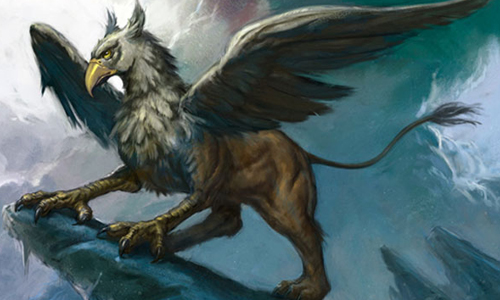
It is with the body of a lion and the head and wings of an eagle. It was known as a symbol of divine power and guardianship. In myths, Griffins were often depicted as protectors of priceless treasures, such as gold and precious jewels.
21. The Harpies – Wind Spirits
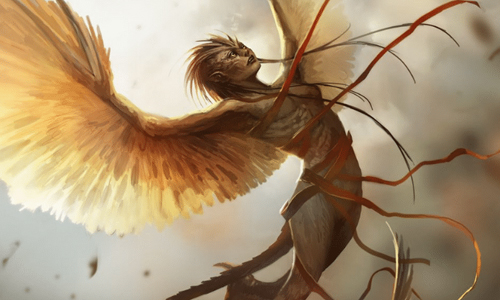
These are with the bodies of birds and the faces of women. They were often depicted as cruel and mischievous creatures who would snatch away people or things in the blink of an eye. In the myth of Jason and the Argonauts, Harpies were sent by Zeus to torment the blind king Phineus by stealing his food every time he tried to eat.
The Underworld: Hades and the Afterlife
When the ancient Greeks talked about the afterlife, they were referring to the Underworld, ruled by Hades. The Underworld wasn’t exactly a fun place—it was dark and gloomy, filled with the souls of the dead.
22. Hades, the Unseen One
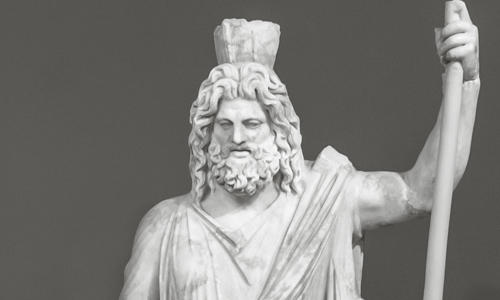
Hades possessed a magical helmet, the Helm of Darkness, which made him invisible. This powerful item was often used by gods and heroes when they needed to hide from enemies or sneak into dangerous places.
23. The River Styx

The souls of the dead had to cross the River Styx to enter the Underworld. The Styx was a boundary between the living and the dead, and it was believed that even the gods feared its powerful waters.
24. Charon, the Ferryman
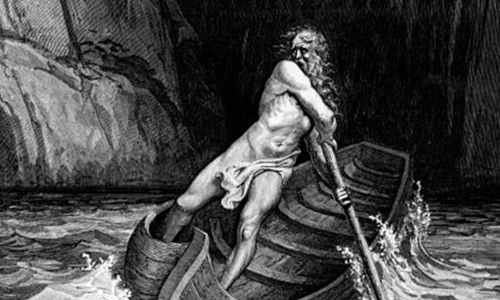
Charon was the gloomy ferryman who transported souls across the River Styx. To pay him, the ancient Greeks placed a coin in the mouth or on the eyes of the dead. Without payment, a soul might wander the shores of the Styx for eternity!
25. Three Judges of the Dead
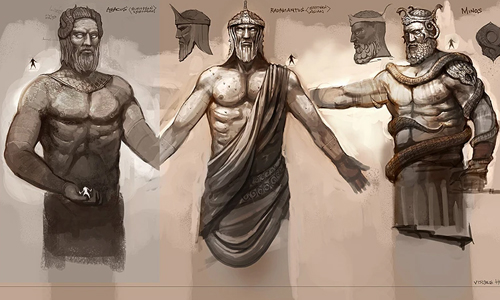
Once in the Underworld, souls were judged by three rulers—Minos, Rhadamanthus, and Aeacus. They decided whether a soul would go to the blissful Elysium, the neutral Asphodel Meadows, or the tormenting Tartarus.
26. Cerberus, the Guardian of the Gates
The Underworld’s entrance was guarded by Cerberus, a fearsome three-headed dog. His job was to keep the dead from leaving and the living from entering. Only a few, like Hercules and Orpheus, managed to sneak past him.
27. Elysium, the Paradise of Heroes

Elysium, or the Elysian Fields, was the final resting place for the heroic and the virtuous. It was a paradise of eternal springtime, where the souls of the brave and good lived in peace and happiness.
28. Tartarus, the Prison of the Damned
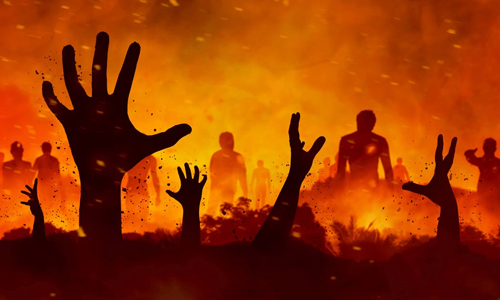
The wicked and evil were sent to Tartarus, a deep abyss far below the Underworld. It was a place of eternal punishment where the worst sinners suffered endless torments, like Sisyphus rolling his boulder up a hill or Tantalus reaching for unreachable fruit.
29. The Lethe, River of Forgetfulness
The Underworld had several rivers, each with its special power. The Lethe was the river of forgetfulness. Souls drank from it to erase their memories of their previous lives before being reincarnated.
30. Persephone, Queen of the Underworld
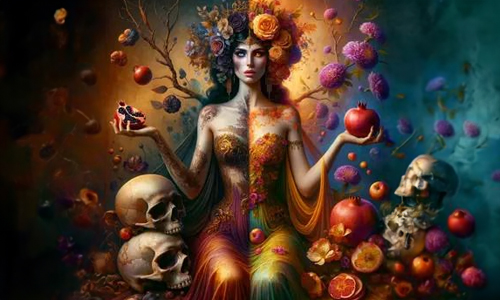
Persephone, the daughter of Demeter, became the queen of the Underworld after being abducted by Hades. Her annual return to Earth marks the arrival of spring, while her descent back to the Underworld brings winter.
The Trojan War: Fact or Fiction?
You might have heard of the Trojan War, a legendary conflict between the Greeks and the city of Troy. Here are some fascinating facts about this legendary conflict.
31. Helen of Troy: The Face That Launched a Thousand Ships
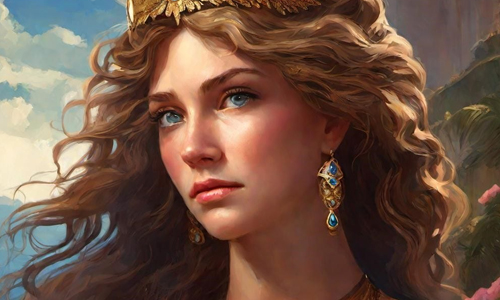
According to myth, Helen was the most beautiful woman in the world. Her abduction by Paris, a prince of Troy, sparked the Trojan War. Whether she was really “the face that launched a thousand ships” or just a symbol of the conflict is still debated by historians.
32. The Trojan Horse: A Legendary Trick
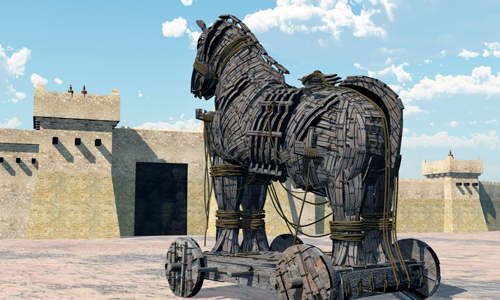
The Greeks supposedly won the war by hiding inside a giant wooden horse, which they presented to the Trojans as a gift. The Trojans brought the horse into their city, unaware that Greek soldiers were inside, leading to their downfall. However, there’s no solid evidence that this wooden horse existed—it might be a symbol for a clever military strategy.
33. Homer’s Epic Poems: The Iliad and The Odyssey
Most of what we know about the Trojan War comes from two epic poems by the ancient Greek poet Homer: The Iliad and The Odyssey. These works are part history, and part myth, and were passed down orally before being written down. Historians believe that these poems mix real events with legendary tales.
34. The City of Troy: Real or Imaginary?
The city of Troy was long thought to be just a myth until archaeologists discovered ruins in modern-day Turkey that they believe could be the ancient city. These ruins, known as Hisarlik, match the location and description of Troy in many ways, but whether they are the actual Troy from the myths is still uncertain.
35. The War Lasted 10 Years (or Did It?)
According to the myth, the Trojan War lasted for ten long years. But in reality, if a war did take place, it’s unlikely it would have lasted that long. The ten years might be symbolic, representing a long and grueling conflict.
36. Achilles: A Mythical Hero with a Fatal Flaw
Achilles, the greatest Greek warrior in the Trojan War, was said to be invincible except for his heel. This story of Achilles’ only weakness gave us the term “Achilles’ heel.” But the real Achilles, if he existed, was likely just a powerful warrior with a reputation that grew into legend.
37. Historians Still Debate the Trojan War
Was the Trojan War a real historical event, or just a grand myth? Historians and archaeologists continue to debate this question. While some believe it was based on a real conflict over trade routes or resources, others think it’s purely a work of fiction. The truth might lie somewhere in between.
38. The Role of the Gods
In the myth, the gods played a huge role in the Trojan War, taking sides and even fighting alongside the humans. Zeus, Athena, Hera, and many others influenced the outcome of battles. Of course, this part of the story is pure myth, reflecting how the ancient Greeks believed the gods were deeply involved in human affairs.
39. The Aftermath: The Fall of Troy
After the Greeks won, the city of Troy was destroyed, and its inhabitants were either killed or taken as slaves. The fall of Troy became a powerful symbol of the consequences of war and the fickleness of fortune. Even if the war didn’t happen exactly as the myths describe, the story of Troy’s downfall had a huge impact on Greek and Roman culture.
40. The Myth Lives On
The story of the Trojan War has inspired countless books, movies, and even video games. It’s a tale that has endured for thousands of years, blending history and myth in a way that continues to captivate our imaginations.
Greek Mythology in Modern Culture
Greek mythology isn’t just ancient history—it’s all around us! From books and movies to video games and TV shows, these myths have inspired countless modern stories.
41. Superheroes and Greek Gods
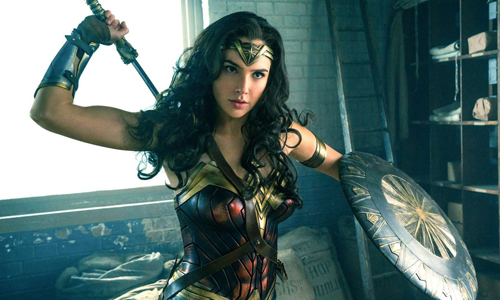
Wonder Woman is linked to the Amazons, fierce warrior women from Greek myths. Even Superman shares traits with Hercules, being a super-strong hero with a larger-than-life origin story.
42. Planetary Greek Mythology Names
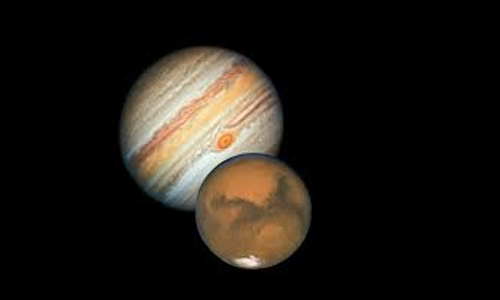
The planets in our solar system are named after Roman gods, who were essentially the Roman versions of Greek gods. For instance, Jupiter is named after Zeus, and Mars is named after Ares.
43. Brands and Logos

Greek mythology influences modern brands too! Nike, the famous sports brand, is named after the Greek goddess of victory. The company’s swoosh logo represents her wing, symbolizing speed and triumph.
44. Movies and TV Shows
From Disney’s Hercules to Percy Jackson, these stories bring ancient myths to life in a way that’s accessible and entertaining for today’s audiences.
45. Language and Expressions
Calling something “a Herculean task” means it’s incredibly difficult, just like the tasks Hercules had to complete. Saying someone has an “Achilles’ heel” refers to their one weak spot, just like the hero Achilles.
46. Astrology and the Zodiac
The zodiac signs have connections to Greek mythology. The sign of Leo is linked to the Nemean Lion, which Hercules fought during his first labor.
47. Greek Mythology Art
Greek myths continue to inspire artists and architects around the world. You can find paintings, sculptures, and even buildings that depict scenes from these ancient stories. The U.S. Capitol Building features a statue of the Greek goddess Athena.
48. Video Games
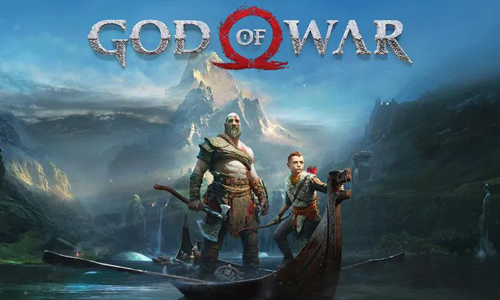
Games like God of War let players step into the shoes of legendary figures and battle mythical creatures straight out of ancient Greece.
49. Modern Literature
Authors like Rick Riordan have brought Greek mythology into modern literature with series like Percy Jackson & the Olympians, making them relatable for today’s readers.
Spot It! Next time you’re watching a movie or reading a book, see if you can spot any references to Greek mythology. You might be surprised at how many there are!
50. Psychology and Myths
The field of psychology uses Greek mythology in concepts like the “Oedipus complex.” Carl Jung also referenced mythological archetypes, which are recurring characters or themes in human stories, showing how deeply these myths resonate with our psyche.
Calling All Future Mythologists!
We’ve only scratched the surface of Greek mythology facts here. There are so many more amazing stories to discover, from quests to battles to journeys to the underworld. Keep reading our blog posts, visit museums that have exhibits about Greek myths, and even check out some classic Greek stories. The more you learn, the more you’ll realize why Greek mythology is so fascinating!
Remember, the next time you hear thunder, it might just be Zeus reminding you of these fascinating tales. Happy exploring!
