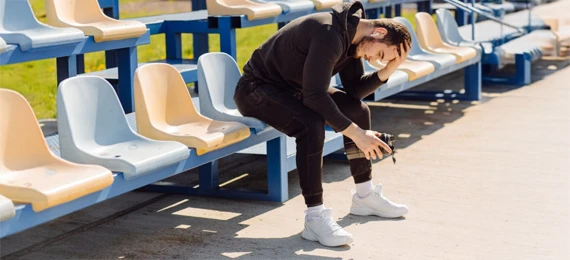
Sports feel eternal. Seasons roll in like clockwork, rivalries simmer, and fans build traditions around dates circled months in advance. But every so often, history barges onto the field and blows the final whistle before the game even begins.
From global wars to pandemics and political storms, cancelled sports events have reshaped schedules, economies, and even the emotional pulse of entire nations. Let’s step into the timeline where stadium lights went dark and explore the stories, reasons, and ripple effects behind the biggest cancellations in sports history.
Why Do Sports Events Get Cancelled?
Which global event caused the cancellation of the 1916 Olympics?
- A. Great Depression
- B. Spanish Flu
- C. World War I
- D. Cold War
Before diving into the historic moments, it helps to understand the main forces that typically halt major sporting events:
- Global conflicts and wars
- Health crises and pandemics
- Political protests or boycotts
- Natural disasters
- Safety or infrastructure concerns
While cancellations are rare, when they happen, they often mirror the world’s biggest challenges.
Major Cancelled Sports Events in History

1. The Olympics During World Wars
Few sporting traditions are as iconic as the Summer Olympics. Yet even this global celebration wasn’t immune to history’s upheavals.
1916 Berlin Olympics
Planned to showcase Germany’s rise, the Games were cancelled due to World War I. The decision symbolized how global conflict can eclipse even the grandest international gatherings.
1940 & 1944 Olympics
Both the 1940 Summer Olympics and 1944 Summer Olympics were cancelled amid World War II. For nearly a decade, the Olympic flame remained unlit, and generations of athletes lost their chance at the world stage.
Impact:
- Interrupted athletic careers
- Loss of global unity symbol
- Financial setbacks for host cities
2. The 2020 Tokyo Olympics Postponement
For the first time in modern history, the Tokyo 2020 Olympics were postponed, not cancelled, due to the COVID-19 pandemic.
While the Games eventually took place in 2021, the postponement was unprecedented and cost billions.
Impact:
- Empty stadiums and strict protocols
- Financial losses estimated in the tens of billions
- Emotional toll on athletes training for peak performance
The event showed how deeply interconnected global health and sports truly are.
3. The Cancellation of Wimbledon 2020
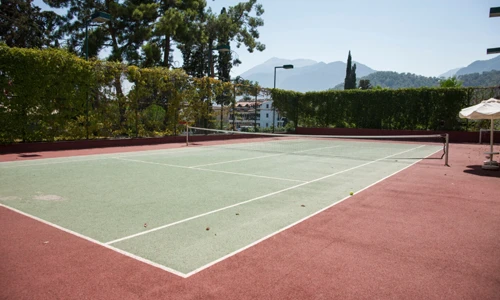
The prestigious Wimbledon Championships had only been cancelled during wartime until COVID-19 forced another pause.
Grass courts went quiet, strawberries and cream sat uneaten, and tennis fans worldwide felt the absence of a cherished summer ritual.
Impact:
- Loss of hundreds of millions in revenue
- Historic break in tournament continuity
- Shift toward insurance planning for future crises
4. The 1919 Stanley Cup Final
The 1919 Stanley Cup Final remains one of the most haunting cancellations in sports history.
Mid-series, the Spanish Flu pandemic forced officials to stop the final between the Montreal Canadiens and Seattle Metropolitans. Tragically, several players fell ill, and one later died.
Impact:
- Highlighted athlete vulnerability during pandemics
- A reminder that health outweighs competition
5. The 1994 MLB World Series
Unlike most cancellations driven by global crises, the 1994 World Series was cancelled due to a labor strike.
It marked the first time since 1904 that baseball’s championship wasn’t played, leaving fans stunned and frustrated.
Impact:
- Decline in fan trust and attendance
- Major financial losses for teams and broadcasters
- Labor reforms in professional sports
6. The Boston Marathon 2020
The Boston Marathon is one of the world’s oldest annual sporting events.
The 2020 edition was cancelled due to the pandemic, breaking a streak that had endured wars and social upheaval.
Impact:
- Economic losses for local businesses
- Shift to virtual racing formats
7. College and Youth Sports Shutdowns (2020)
While professional leagues eventually resumed, countless amateur and youth events were cancelled globally.
For many young athletes, scholarships, exposure, and developmental opportunities vanished overnight.
Impact:
- Lost recruitment opportunities
- Mental health challenges for young athletes
- Greater focus on athlete well-being
Political Boycotts That Felt Like Cancellations
Sometimes events technically happen but lose their competitive spirit due to large-scale withdrawals.
1980 Moscow Olympics Boycott
The 1980 Summer Olympics saw dozens of countries, including the United States, boycott the Games over geopolitical tensions.
Impact:
- Reduced competition quality
- Athletes missing once-in-a-lifetime opportunities
1984 Los Angeles Olympics Boycott
In response, the Soviet Union and allies boycotted the 1984 Summer Olympics, proving how politics can reshape sports narratives.
Natural Disasters and Safety Concerns
2011 Japanese Sports Disruptions
Following the devastating earthquake and tsunami, numerous sporting events across Japan were cancelled or postponed.
The tragedy highlighted how sports pause in the face of national mourning and recovery efforts.
Financial and Organizational Failures
Not all cancellations stem from global crises. Sometimes logistics or finances derail events.
The 2010 Commonwealth Youth Games Relocation
Infrastructure delays forced major changes, showing how preparation is as crucial as competition.
Will Major Sports Cancellations Become More Common?

With climate change, global travel, and evolving geopolitics, uncertainty remains part of the sports landscape. However, leagues today are more resilient than ever, armed with technology, data, and contingency strategies to keep games alive whenever possible.
Sometimes, the absence of a game becomes more memorable than the game itself.
A cancelled event freezes a moment in time, a reminder that sports exist within the larger story of humanity. When the world pauses, so does the scoreboard.
Cancelled sports events are rare, but when they happen, they echo far beyond stadium walls. They reveal how deeply sports are woven into society, reflecting our struggles, priorities, and resilience. Even when seasons stop and trophies go unclaimed, the spirit of competition never disappears. It simply waits, patient and determined, for the next opening whistle.