Sports
Football League
Soccer
Basket Ball
Baseball
Ice Hockey
Tennis
Golf
Auto Racing
Wrestling
Badminton
Entertainment
Fashion
Movies
Music
Pop Culture
Beauty
Famous Celebrities
Awards
TV Shows
General
Technology
What, Why & How
Weird Facts
Modern Gadgets
Weird laws
History
Inventions
Architecture
Culture
Natural Disasters
Ancient History
Kings & Queens
Famous Monuments
Literature
War History
U.S History
Brands
Us trivia
Washington DC
California
Texas
Hawaii
Florida
New York
Colorado
Pennsylvania
New Jersey
Minnesota
Arizona
Georgia
Ohio
Michigan
Alaska
Indiana
Vermont
Virginia
More
Happening Now
Science
Animals
Aquatic Life
Discoveries
Disease
Human Body
Space Science
Species
Travel
Famous Cities
Geography
Interesting Facts
Popular Countries
Top Destinations
Tourist Attractions
Holiday
Christmas Trivia
New Year’s Trivia
Valentine’s Day Trivia
St. Patrick’s Day
Easter Trivia
Labor day
Halloween
Search
Search
Sports
Football League
Soccer
Basket Ball
Baseball
Ice Hockey
Tennis
Golf
Auto Racing
Wrestling
Badminton
Entertainment
Fashion
Movies
Music
Pop Culture
Beauty
Famous Celebrities
Awards
TV Shows
General Knowledge
Technology
What, Why & How
Weird Facts
Modern Gadgets
Weird laws
History
Inventions
Architecture
Culture
Natural Disasters
Ancient History
Kings & Queens
Famous Monuments
Literature
War History
U.S History
Science
Animals
Aquatic Life
Discoveries
Disease
Space Science
Species
Human Body
Happening Now
Brands
Us trivia
Washington DC
California
Texas
Hawaii
Florida
New York
Colorado
New Jersey
Minnesota
Vermont
Colorado
Pennsylvania
New Jersey
Minnesota
Arizona
Georgia
Ohio
Michigan
Alaska
Indiana
Vermont
Virginia
Travel
Famous Cities
Geography
Interesting Facts
Popular Countries
Top Destinations
Tourist Attractions
Holiday
Christmas Trivia
New Year’s Trivia
Valentine’s Day Trivia
St. Patrick’s Day
Easter Trivia
Labor day
Halloween Trivia
Home
Question and answser
Do Plants Feel Pain? This Is What Happens When You Touch or Cut Them
Emma | 28 - 05 - 2025
Updated:May 28, 2025 9:00 pm IST
0%
0 out of 0
Questions 1 - 10
According to the International Association for the Study of Pain (IASP), what is a core component of pain in humans?
A. Nociception
B. An unpleasant sensory and emotional experience
C. Tissue damage
D. Withdrawal reflexes
Questions 2 - 10
What specialized sensory nerve endings detect noxious stimuli in animals?
A. Photoreceptors
B. Mechanoreceptors
C. Nociceptors
D. Chemoreceptors
Questions 3 - 10
Which part of the brain is primarily responsible for processing the emotional aspects of pain?
A. Thalamus
B. Cerebral Cortex
C. Limbic System
D. Frontal Cortex
Questions 4 - 10
Sentience is merely the ability to respond to sensory stimuli.
A. True
B. False
Questions 5 - 10
What is the scientific consensus regarding whether plants possess a brain or central nervous system?
A. They have a simple brain in their roots.
B. They possess a distributed nervous system.
C. They lack a brain and a central nervous system.
D. Scientists are still undecided.
Questions 6 - 10
How do plants primarily communicate warnings about predators to their neighbors through the air?
A. Electrical signals
B. Hydraulic waves
C. Volatile Organic Compounds (VOCs)
D. Mycorrhizal networks
Questions 7 - 10
What is the term for the vast underground network of fungi that connects plants and facilitates resource sharing and communication?
A. Root exudates
B. Xylem network
C. Mycorrhizal network
D. Phloem pathways
Questions 8 - 10
Which of the following is a way plants respond to physical touch or wind, leading to shorter, sturdier growth?
A. Photosynthesis
B. Thigmomorphogenesis
C. Phototropism
D. Chemotaxis
Questions 9 - 10
What is a key reason why many scientists argue plants do not feel pain in the same way animals do?
A. Plants have different cellular structures
B. Plants lack a central nervous system and brain regions for conscious experience.
C. Plants are sessile and cannot move away from danger.
D. Plants primarily use chemical signals, not electrical ones.
Questions 10 - 10
What concept describes plants' ability to
A. Genetic mutation
B. Epigenetic modifications
C. Circadian rhythms
D. Associative learning
Read Next
Happy Face Spider: The Tiny Arachnid With a Smiling Mystery
Science
Why Tuna Can Never Stop Swimming?
Science
Are Birds Dinosaurs? The Mind-Blowing Truth Nobody Told You
Science
Couple Survived California Wildfire by Hiding in a Pool
Science
Unmasking the Dangers of Fake Medicine
Science
Ambergris Facts: Unveiling the Secrets of the Ocean’s Floating Gold
Science
What Is a Black Hole & How Could We See It
Science
What Do Fleas Look Like?
Science
Bull Snake : Habitat, Appearance, Predators, Lifespan
Science
15 World's Biggest Sea Creatures
Science
Recent Questions
Uncategorized
Micronations: The Wild, Weird, and Totally Real “Countries” You’ve Never Heard Of
History
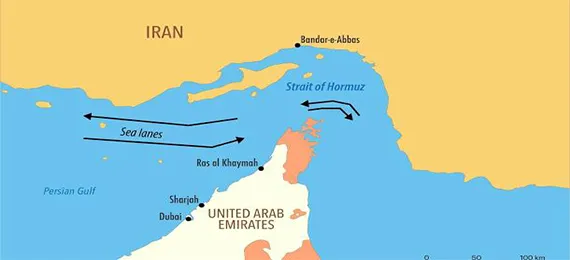
Facts About the Strait of Hormuz: Key Insights
General Knowledge
Assisted Suicide in the US: The Essential Guide
Sports
How Long Is a Marathon? Everything You Need to Know
Entertainment
The Ultimate Video Game Quiz Challenge to Test Your Gaming IQ
Read Next
Animal Claws Quiz: Can You Guess the Animal?
Animals
Is NASA Buying Moon Rocks? The Truth Behind the $1 Deals!
Science
Everything You Need to Know About Groundhog Facts
General Knowledge
Sign in
Facebook
Google
or
Enter Email Address
Email
SIGN IN
Joining Trivia sharp is free! Test your knowledge on topics ranging from movies to history. By clicking “Sign Up" you are agreeing to our privacy policy.