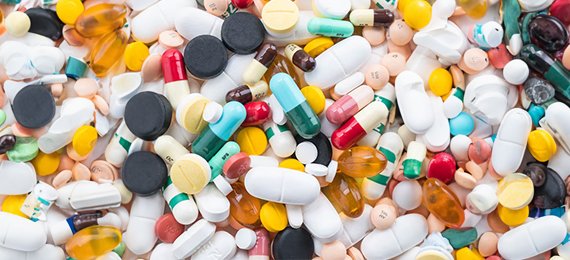
Fake drugs, also known as counterfeit medicines, are a global health crisis—and the United States is no exception. These dangerous pharmaceuticals mimic legitimate medications in appearance but fail to deliver real treatment—sometimes they even cause serious harm. Whether you know them as substandard medicines, spurious drugs, or simply counterfeit drugs, it’s time we shine a spotlight on the risks they pose and how to protect ourselves.
This blog will help you understand:
- How to identify fake medicines
- The dangers of counterfeit drugs
- How online pharmacies may be selling counterfeit medications
- What the WHO guidelines on counterfeit drugs suggest
- A global perspective, including fake drugs statistics
We’ll also test your knowledge with a 10-question trivia quiz at the end!
Which of the following is NOT a common sign of fake medicine packaging?
- A. Typos and misprints
- B. Bright and vibrant colors
- C. Missing batch number
- D. No expiry date
What Are Fake Drugs?
Fake drugs, also called counterfeit pharmaceuticals, are illegal and deliberately mislabelled medications that may:
- Contain incorrect ingredients
- Have no active ingredients at all
- Include harmful substances
- Be packaged deceptively to look authentic
These drugs are often manufactured in unsafe, unregulated environments, putting millions of lives at risk. Whether it’s antibiotics, cancer drugs, or everyday painkillers, no medicine category is immune to counterfeiting.
The U.S. FDA warns that counterfeit drugs sold online or through unlicensed sources often look identical to real drugs but may contain deadly additives. In 2022, the DEA reported a record number of pressed pills containing fentanyl disguised as perc 30s or oxy 80s, contributing significantly to opioid-related deaths.
How to Identify Fake Medicines
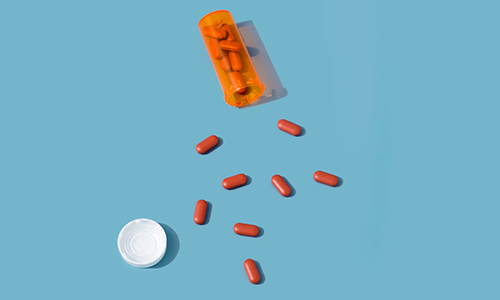
Recognizing a counterfeit medicine can be tricky, especially when the packaging looks convincing. Here’s how to tell if a pill is fake:
- Unusual Packaging: Typos, faded colors, inconsistent logos, or broken seals
- Poor Tablet Quality: Crumbly texture, discoloration, unusual odor
- Missing Information: No batch number, manufacturing date, or expiry date
- No Hologram: Many genuine brands include a hologram sticker as proof of authenticity
- Price Discrepancy: Extremely low prices may be a red flag
- No Doctor’s Prescription Needed: Be cautious of pharmacies—especially online ones—that sell powerful medications without requiring prescriptions
In the U.S., the FDA advises consumers to use its BeSafeRx tool to verify online pharmacies. Street drugs like Perc 30s and Oxy 80s are often pressed pills made with fentanyl or other dangerous substances, not prescription-grade oxycodone.
The Dangers of Counterfeit Drugs
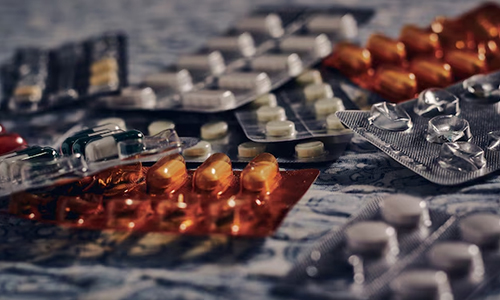
The dangers of counterfeit drugs are not just limited to ineffective treatment. The implications can be life-threatening:
- Delayed Recovery: The medicine may not treat the illness at all
- Drug Resistance: Sub-potent antibiotics can lead to drug-resistant infections
- Toxic Reactions: Fake pills can contain heavy metals, rat poison, or harmful chemicals
- Death: WHO estimates over 100,000 deaths annually due to counterfeit medicines, many of which occur in developed countries through illegal imports
The opioid crisis in the U.S. is increasingly driven by fake Perc 30s and Oxy 80s, with the CDC confirming that over 70% of opioid overdose deaths in 2023 involved synthetic opioids like fentanyl—often found in pressed pills.
Online Pharmacies Selling Counterfeit Medicines
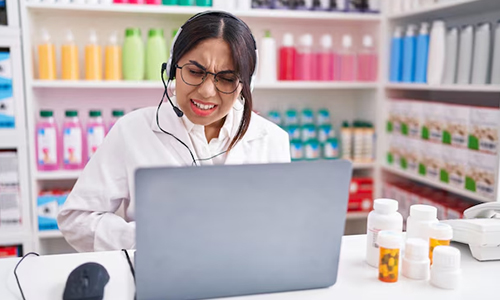
The internet is a convenient way to get medications, but it can also be dangerous. Online pharmacies selling counterfeit medicines are common, especially on rogue websites.
How U.S. consumers can stay safe:
- Choose pharmacies verified by the National Association of Boards of Pharmacy (NABP)
- Look for the ‘.pharmacy’ domain or use FDA’s BeSafeRx site
- Never buy prescription drugs from sites offering them without a valid prescription
- Avoid emails or social media ads promoting discount medications
DEA crackdowns have revealed that many counterfeit perc 30s sold online in the U.S. contain deadly doses of fentanyl, not real oxycodone.
WHO Guidelines on Counterfeit Drugs
The World Health Organization (WHO) provides a global framework to combat counterfeit drugs. Their recommendations include:
- Promoting international collaboration and data sharing
- Enhancing drug regulation and enforcement
- Educating consumers on how to identify fake medicines
- Supporting supply chain transparency and authentication technology
The WHO’s GSMS (Global Surveillance and Monitoring System) has helped track and issue alerts on falsified medications—including cases discovered in the United States.
Fake Drugs in India: Alarming but Relevant Stats
While the U.S. is a major target for counterfeit imports, understanding global sources is important. India, a key pharmaceutical exporter, also faces major internal challenges:
- A 2017 report by ASSOCHAM estimated that 20% of medicines sold in India are fake.
- A survey conducted by the Indian Ministry of Health found that 1 in 20 drugs tested failed quality checks.
Since counterfeit drugs are often manufactured overseas before entering the U.S. black market, countries like India play a critical role in global pharmaceutical security. Tightening international supply chains is crucial for U.S. consumer safety.
Fake medicine isn’t just a health issue—it’s a public safety crisis, especially in the United States where street drugs and rogue online pharmacies continue to flood the market with lethal pills. From counterfeit opioids to unregulated online sales, it’s essential that consumers remain informed and vigilant.
This blog covered the dangers of counterfeit drugs, how to identify fake medicines, and provided insight into both U.S. and global counterfeit trends. With better regulation, smarter consumers, and trusted online tools like BeSafeRx, we can prevent tragedies.
Also Read This: The History of the Construction Hard Hat