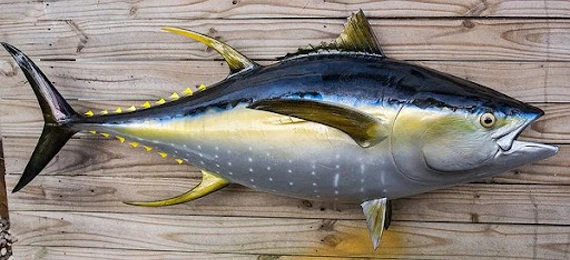
Ever wondered why tuna are like the ocean’s very own Usain Bolt, always on the move? Well, here’s a fact that might blow your mind: tuna can never stop swimming. Unlike your lazy goldfish at home that happily floats around, tuna are built to keep moving, 24/7. But why? And how do they manage not to run out of breath—or get seasick? Let’s dive into the fast-paced life of these incredible creatures. From swimming speeds that rival your car on the highway to sleeping on the go, tuna are nothing short of aquatic marvels.
Why Tuna Must Keep Swimming
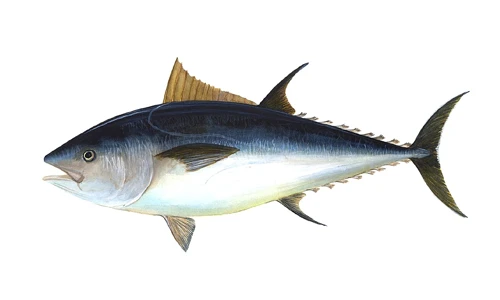
Tuna are what scientists call obligate ram ventilators. This fancy term means they must move constantly to force water over their gills to breathe. Unlike other fish that can pump water through their gills while staying still, tuna rely entirely on motion to survive. Stop swimming, and unfortunately… stop breathing. That’s it. No dramatic last breaths, just a very, very short swim to the afterlife.
Tuna must keep swimming continuously because they need a constant water flow through their gills. What is this process called?
- A. Buccal pumping
- B. Ram ventilation
- C. Gill filtration
- D. Branchial cycling
How Do Tuna Sleep?
You’re probably wondering: if they never stop, how do tuna sleep? Tuna do take power naps, but it’s more like a half-asleep cruise control mode. Different sections of their brains rest while other parts keep swimming. Imagine taking a nap while walking a tightrope—essentially, tuna are ocean multitaskers.
How Fast Can a Tuna Swim?
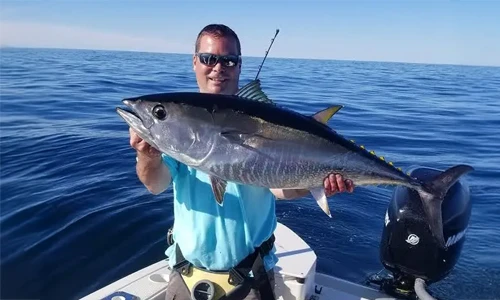
Tuna are among the fastest fish in the ocean, reaching speeds up to 47 miles per hour (76 km/h) in short bursts. Bluefin tuna, for instance, can cover hundreds of miles without breaking a sweat. For comparison, that’s faster than most humans can drive on the freeway.
Tuna Lifespan and Types
The average tuna lifespan varies by species. Bluefin tuna can live up to 40 years, while smaller species like skipjack may only reach 8–12 years. Their constant swimming helps with muscle development, oxygen circulation, and finding food across vast ocean territories.
What Happens If Tuna Stops Moving?
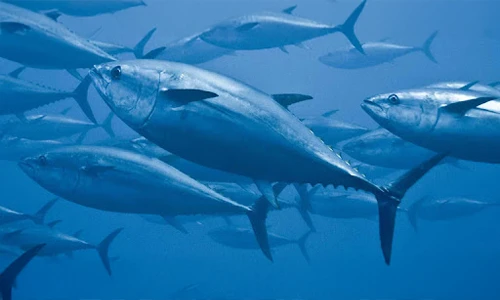
Stopping is not an option. If a tuna stops moving:
- It cannot breathe.
- Its muscles stiffen quickly.
- It risks death in a matter of minutes.
Can Tuna Feel Thirsty?
Surprisingly, tuna fish don’t feel thirst like humans. Their body is perfectly adapted to extract water from food and seawater. So no, they aren’t sipping ocean water between swims—it’s a biological efficiency at work.
How Many Fish Are Like Tuna?
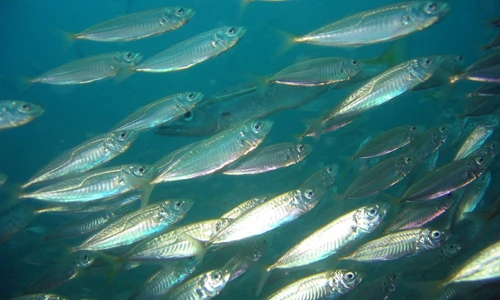
Not many. Tuna belong to a unique club of fish that are obligate swimmers. Other members include certain sharks and mackerels. But few combine speed, size, and endurance like tuna.
FAQs: Why Tuna Can Never Stop Swimming
1. How long can tuna stop swimming?
Tuna can’t stop swimming. They must keep moving continuously or they will suffocate.
2. What fish dies if it stops swimming?
Tuna and some sharks are obligate swimmers; if they stop, they can’t breathe and die quickly.
3. Do tuna sleep?
Yes, tuna take partial naps by resting one part of their brain while the other controls swimming.
4. How do tuna sleep if they can’t stop swimming?
They keep swimming at a slow pace while parts of their brain rest—essentially power napping while on the move.
5. How fast can a tuna fish swim?
Tuna can reach speeds of 47 mph (76 km/h) in short bursts.
6. What is the lifespan of a tuna fish?
Depending on the species, tuna can live from 8 years to 40 years for bluefin tuna.
7. Can tuna breathe without moving?
No. Tuna rely on swimming to push water over their gills to extract oxygen.
8. What happens if tuna stops moving?
It will suffocate within minutes since its gills cannot extract oxygen while stationary.
9. Are there other fishes like tuna?
Yes, some sharks and mackerels are also obligate swimmers, but tuna are among the fastest and largest.
10. Does tuna feel thirsty?
No, they absorb water from food and seawater efficiently, so they don’t experience thirst like humans.