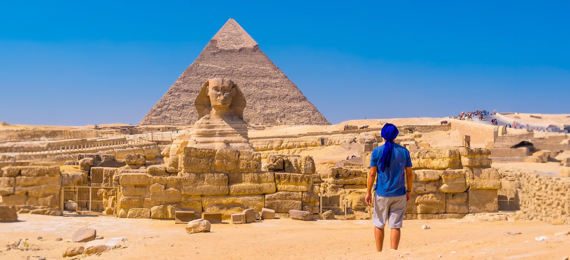
The Egyptian pyramids are some of the most mysterious monuments in the world. They hold centuries of historical secrets and are an interesting area of study. You might have seen pyramids in books, movies, pictures, etc. Some of you might also have seen these beauties by visiting Egypt. Whether you have seen them or not, the secrets and facts about the pyramids we have compiled in this blog will fascinate you! So read along to know more!
50 Fascinating Secrets about Egyptian Pyramids
These mind-boggling facts/secrets about the pyramids will surely amaze you!
Structures of Wonder
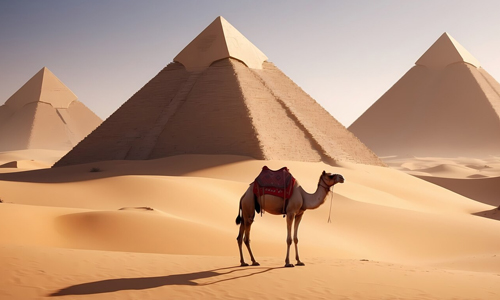
The Red Pyramid is the first true smooth-sided pyramid in Egypt.
- A. True
- B. False
1. The Egyptian name for a pyramid is “myr.”
2. Do you know the name of the first true smooth-sided pyramid in Egypt? It’s the “Red Pyramid,” located in Dahshur. It’s the flattest pyramid in Egypt, and has gentle slopes, which made it very comfortable for thieves to walk (on the slopes) and steal the white limestone from the pyramid.
3. There are 3 main pyramids in Giza. The southeast corners of these 3 pyramids are aligned diagonally.
4. Egyptians strongly believed in life after death, so they built monumental masterpieces (pyramids) to enclose the tombs of their pharaohs. Here are some interesting facts about King Tut’s tomb!
5. The structures also served as temples to the Egyptian Gods.
6. They were always built to face the north.
Pyramids of Importance
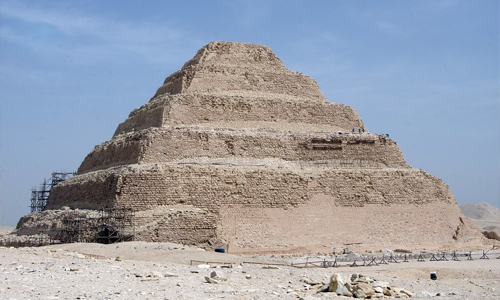
7. The oldest Egyptian pyramid is the “Step Pyramid of Djoser.” It was constructed using granite and limestone.
8. The texts inside these structures are the oldest religious texts on earth. They help us learn in detail about the pharaohs of those ancient times and the responsibilities they had every day.
9. Generally, pharaohs began the construction of the structures once they became the rulers.
10. The texts in the Unas Pyramid offer the very first reference to Osiris, who was regarded as the “God of the Underworld.”
Laborers and Materials Used
11. Casing stones, from which many pyramids were built, were polished limestone caps that covered the normal stones we see today. They were used to offer a smooth, flat look to the pyramids. Since casing stones reflected the sun, they shone like bright jewels!
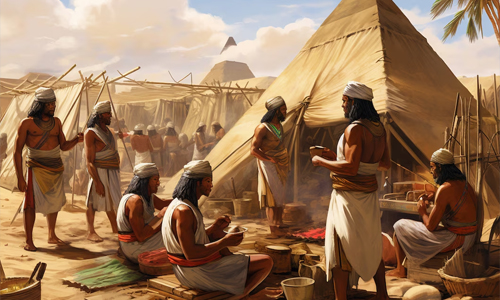
12. It’s generally believed that the Egyptian pyramids were built by slaves. However, this is not true. Several teams of construction workers built the structures, and they were paid to do the work.
13. They harnessed the power of water from the Nile River to build the structures.
14. Excavations in the 1980s and 90s revealed that the environment surrounding the pyramids consisted of the laborers’ districts, which included workshops, storage areas, bakeries, and smaller tombs of dead laborers.
15. The average weight of a stone block used in building the Great Pyramid was approximately 2.5 tons.
16. The Giza Pyramid Complex consists of the following:
- The Great Pyramid
- The Pyramid of Khafre
- The Pyramid of Menkaure
17. The last of the structures – the “Ahmose Pyramid” was constructed using mud bricks. Since it was not built using limestone blocks like the other pyramids, it collapsed into rubble pretty soon.
18. Ancient Egyptian engineers made sure that the structures withstood extreme temperatures and even earthquakes! These measures also protected the mummies inside the pyramids. By the way, do you know the 7 steps of mummification?
Some Pyramid Stats…
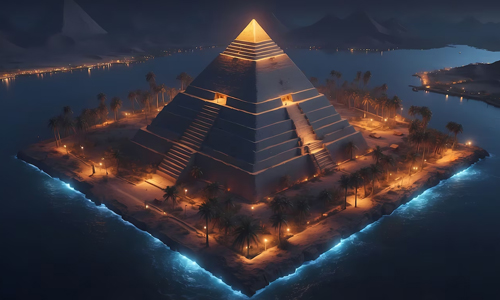
19. Inside the pyramids of Giza, you can see lots of chambers, passages, and shafts. So these historical structures are not completely solid!
20. Certain estimates reveal that around 500,000 tons of mortar were utilized in the construction of the Great Pyramid of Giza.
21. Archeologists, using special robots, have recently discovered secret doors to the structures.
22. You might probably know that a sphinx has the body of a lion and the head of a human. The Great Sphinx of Giza was built near the Great Pyramid around 4,500 years ago.
23. It’s one of the most recognizable relics of ancient Egyptians.
24. The Great Sphinx is 240 feet long and 66 feet high.
25. It took around 2 decades to build the Great Pyramid.
26. Since pyramids have thick walls, the inside temperature is around 20°C.
Tools for Construction
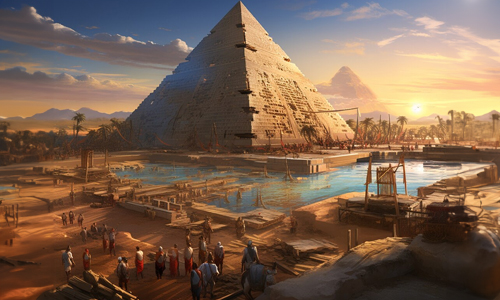
27. It’s believed that sapphire-toothed saws were part of the construction tools used in building the pyramids.
28. “Gnomons,” which are tools similar to sundials, might have been used while building the structures.
29. The Great Pyramid of Giza, which houses the tomb of the pharaoh, Khufu, has a more complicated inner structure when compared to other pyramids.
30. Studies show that the architects of Khufu’s chamber used the Pythagoras Theorem, which states, “The square of the hypotenuse is equal to the sum of the squares of the other two sides.”
31. Rollers, levers, and sleds were utilized during the construction process.
How Many Pyramids Are in Egypt?
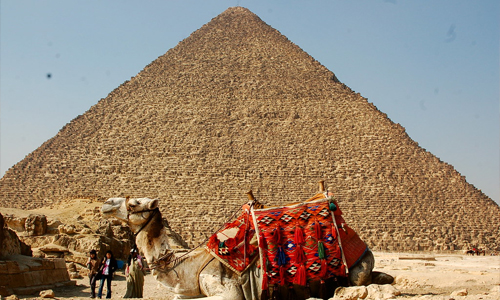
- The total number of “identified” Egyptian pyramids is 118. Nearly 80 of them were constructed in the Kingdom of Kush. You can now find them in the country of Sudan.
- The largest of all pyramids, the “Pyramid of Khufu,” is also the last of the 7 Wonders of the Ancient World.
Must Read: Archeologists Discover 2000 Mummified Ram Skulls
When the Pyramids of Egypt Were Built?
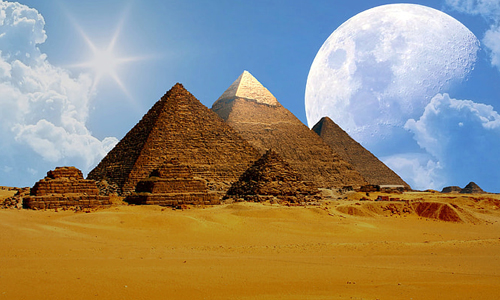
34. The first pyramids were built roughly between 2780 – 2610 BC. Imhotep, King Djoser’s architect, constructed the first pyramid by aligning 6 “mastabas.”
35. Mastabas were bench-shaped mounds that served as tombs for the ancient Egyptian kings. The 6 mastabas Imhotep used were placed such that the one on the top was smaller than the one beneath.
36. This stack of mastabas, which formed the world’s first pyramid, looked like rising steps.
How Old Are the Pyramids in Egypt?
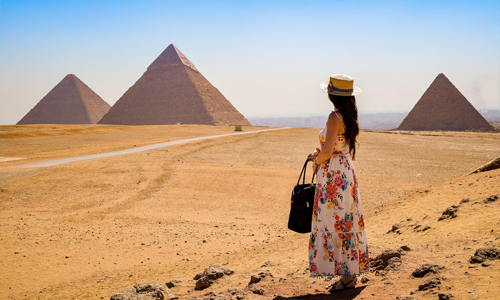
37. The Egyptian pyramids are thousands of years old because the Great Pyramid of Giza belongs to the 4th Dynasty in history. The newest of these monuments are around 8,000 to 9,000 years old.
How Tall Are the Pyramids in Egypt?
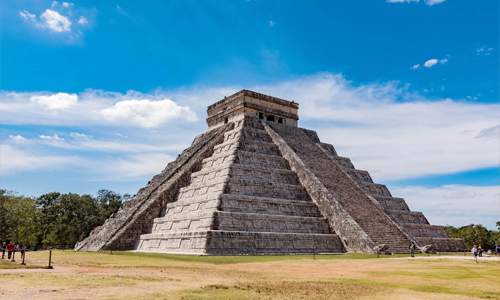
38. The Great Pyramid has remained one of the tallest manmade structures, with the height of a 48-storey building. To be precise, it is 449.5 feet tall. It used to be taller, but due to erosion and other environmental factors, it has lost some of its height (a few feet).
Robbery in Pyramids?
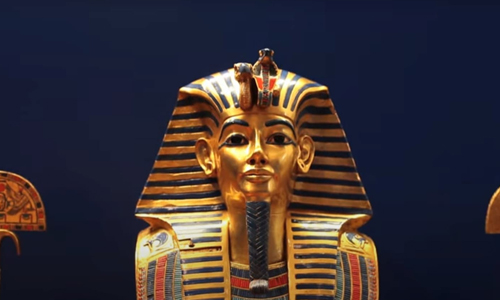
39. When Egyptians made mummies of their pharaohs, they also buried their rulers’ jewels, clothes, etc., along with their bodies. Since they believed in the afterlife, they assumed the pharaohs might have use for their valuables from the tombs in that life!
Also Read: Strange Tombs and Cemeteries in New Orleans
40. Many say that the valuables were stolen by the future rulers. However, this theory needs strong evidence to support it because the tombs inside the pyramids were so strong that they could not be destroyed by the future rulers to lay hands on the valuables.
41. Over the years, some attempts have been made to destroy certain pyramids. However, none of them were successful because it was an extremely expensive and time-consuming process.
The Orion Correlation Theory
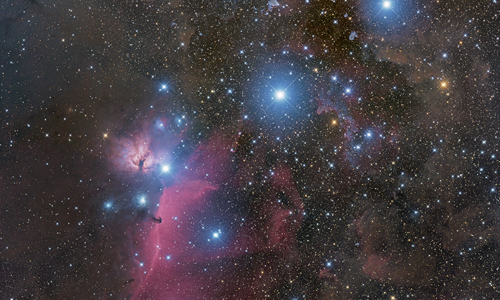
42. In 1983, Robert Bauval, the Egyptian writer and lecturer, proposed the Orion Correlation Theory. According to this theory, the three pyramids of Giza were aligned with the three major stars of the Orion’s Belt Constellation.
43. While this could have been possible, it was met with a certain amount of criticism.
A Pharaoh’s Soul
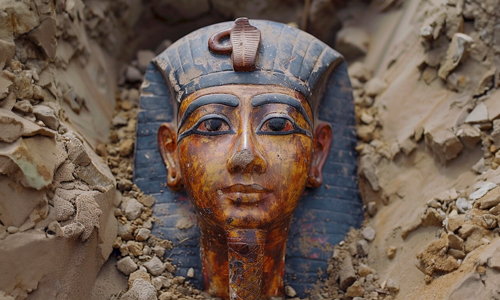
44. A secret room, known as the “Serdab,” was built next to the pharaoh’s tomb.
45. The Serdab contained the “Ka” statue, which was believed to house the pharaoh’s soul.
46. Both the Serdab and the Ka statue played crucial roles in ensuring the pharaoh’s happy afterlife.
Inscriptions on Egyptian Pyramids
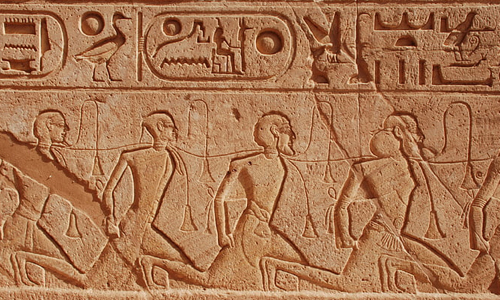
47. You can find hieroglyphic inscriptions on the tomb walls of the pyramids. They offer an insight into the lives, religious practices of the Egyptians, and the ancient civilizations.
48. Some of the inscriptions indicate the names of the deceased.
49. The climbing of the Great Pyramid is currently prohibited, and sometimes, leads to detentions and arrests (mostly without charges). However, this doesn’t stop tourists from ascending this great structure.
50. More than 14.7 million tourists visit the Great Pyramid of Giza each year.
We hope you liked this blog on the Egyptian pyramids. Refresh your memory on the facts we’ve discussed by answering the Quiz on this page!