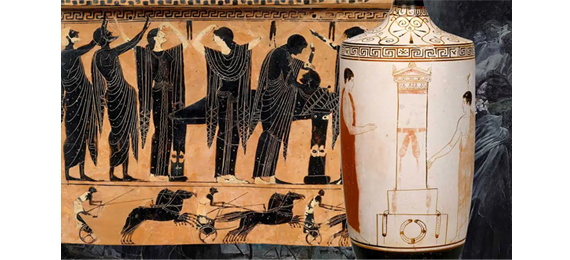
History has a fascinating way of showing us how much our everyday life is influenced by ancient rituals—sometimes in ways we’d never imagine. Items used in burial rituals centuries ago have slowly transitioned into our wardrobes, beauty routines, and home décor. While these objects once held sacred or somber meanings, they now serve purposes far removed from their original use.
Let’s uncover how these ritualistic relics transformed into modern must-haves.
1. Perfume
Long before it became a signature of fashion and self-expression, perfume had a more spiritual role. In ancient Egypt, Greece, and Rome, it was used to mask the scent of decay during burials. Aromatic oils and resins were considered sacred and were applied to both the living and the dead to ensure purity and a pleasant transition to the afterlife.
What was the original purpose of perfume in ancient Egypt?
- A. Romantic charm
- B. Masking decay during burial
- C. Spiritual energy booster
- D. Cooking ingredient
Fast forward to today, and you’ll find perfume in handbags, on vanities, and in department stores. Few realize its sweet-smelling roots trace back to the tombs of pharaohs.
2. Makeup
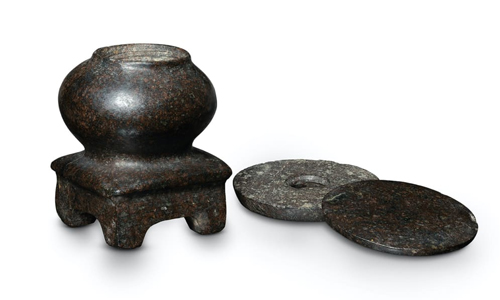
Cosmetics, especially eyeliner and lip tint, have their origins in burial customs. Egyptians applied kohl around the eyes of both the dead and living. This wasn’t just for aesthetics—it was believed to offer protection against evil spirits and illness.
Nowadays, that same dark line we draw across our eyelids might be for a cat-eye look, but it echoes an ancient rite of spiritual safeguarding.
3. Candles
We light candles to create ambiance, for relaxation, or to set the mood. But centuries ago, candles were essential elements of funerary rites. In Christian and pagan traditions alike, candles were thought to light the soul’s path to the afterlife.
Whether on a birthday cake or a dinner table, candles today serve a more joyful purpose—but their connection to the divine and the deceased lingers symbolically.
4. Wreaths
Wreaths originally adorned tombs and graves as symbols of eternal life or mourning. Laurel and olive wreaths were common in Greco-Roman funerals, signifying victory over death.
Today, you’re more likely to see wreaths hung on doors during holidays. This decorative object has transitioned from honoring the dead to welcoming guests and celebrating seasons.
5. Incense
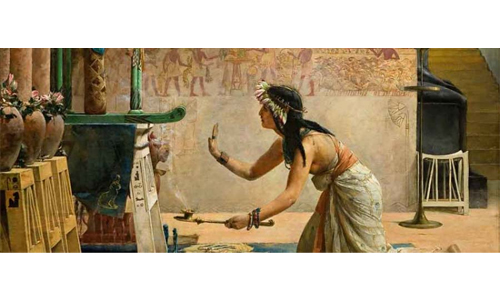
In temples, tombs, and shrines, incense was burnt as an offering to gods or to purify a space for the soul’s journey. It was believed that the fragrant smoke could carry prayers to the heavens.
Now, it’s commonly used in yoga studios, spas, and homes for mood-setting and relaxation. Its calming essence remains, though the spiritual purpose may have shifted.
6. Jewelry
Across ancient civilizations—from Egypt to Mesopotamia—jewelry was placed in tombs as a symbol of status, protection, or to serve a purpose in the afterlife. Rings, bracelets, and amulets were among the most common burial artifacts.
While we wear them today to express style or love, jewelry still holds symbolic value—wedding rings, for example, are a modern echo of these sacred meanings.
7. Mirrors
In ancient Chinese and Roman burial traditions, mirrors were buried with the dead to reflect evil spirits or help guide the soul. They were considered magical portals between the physical and spiritual worlds.
Now, they’re part of daily grooming routines or home decor, but their origin is far more mystical than you might guess.
8. White Clothing
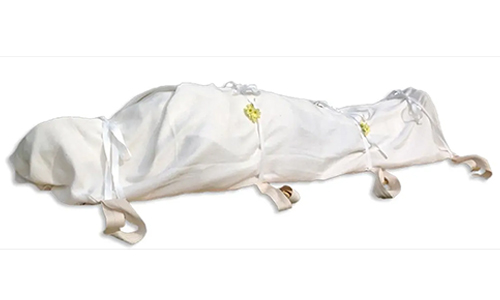
While white clothing now symbolizes purity and elegance, it was once the color of mourning in several cultures, including parts of Asia and Africa. White was worn by those in mourning to reflect a return to spiritual purity or the cycle of life and death.
Wearing white today might feel fresh and summery—but for centuries, it was steeped in grief and symbolism.
9. Urns
Urns were originally created to hold cremated remains in ancient Greece, Rome, and later, in many other cultures. Their design was deeply symbolic, often featuring artistic renditions of the afterlife.
In modern homes, decorative urn-shaped vases are used to hold flowers or stand as elegant centerpieces—though many may not know they mimic ancient funerary vessels.
10. Masks
Today, masks are associated with costume parties, theater, or skincare. But in ancient times, death masks were used to preserve the face of the deceased or offer spiritual protection. Egyptian pharaohs like Tutankhamun were famously buried with elaborate golden death masks.
Though their use has changed dramatically, the idea of masking the identity or preserving something deeper lives on in modern forms.
It’s fascinating how many items used in burial rituals have found new life in our modern world. From the solemn halls of ancient tombs to our cheerful living rooms and makeup bags, these objects tell a story of transformation. They remind us that the past is never truly gone—it just adapts.
So the next time you light a candle, apply eyeliner, or hang a wreath, take a moment to reflect on its sacred origins. You’re not just following trends; you’re unknowingly honoring ancient traditions.